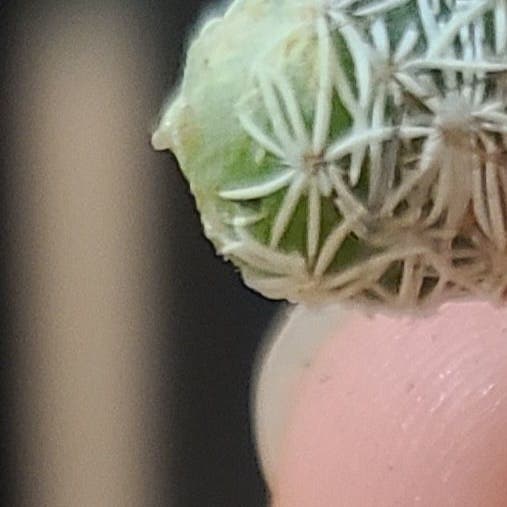
🌵 What Do Nipple Beehive Cactus Flowers Mean?
Coryphantha macromeris
By the Greg Editorial Team
Feb 29, 2024•4 min read
This article was created with the help of AI so we can cover more plants for you. May contain errors. See one? Report it here.
Decode your cactus's health through its blooms and learn to nurture vibrant flowers. 🌵💡
- 🌵 Vibrant blooms signal cactus health, lack of flowers suggests care issues.
- Sunlight and temperature are key to coaxing out those rare cactus flowers.
- Balanced feeding and careful pruning enhance the cactus's blooming potential.
When the Cactus Blooms: Interpreting Flower Signals
🌸 What Blooms Can Tell You About Health
Blooms on your Nipple Beehive Cactus aren't just a visual treat; they're a thumbs-up from your plant. Healthy, vibrant blooms are the cactus's way of saying, "I'm doing great, thanks for asking!" If your cactus is bursting with flowers, it's safe to assume you've nailed the care routine.
🚩 When There's a Lack of Flowers
No flowers? It's a red flag. Your cactus might be crying out for help. It could be a sign of underwatering, overwatering, or nutritional deficiencies. Time to play detective and figure out what's missing in its care. Remember, patience is key. These cacti aren't known for their speed; they take their sweet time to mature and bloom.
The Right Conditions for Nipple Beehive Cactus Flowers
🌞 Light and Temperature: The Dynamic Duo
Sunlight is your cactus's best friend. To coax out those showy blooms, ensure it basks in 4 to 6 hours of direct sunlight daily. The light's quality is just as important as the quantity; it's the difference between a lackluster and a spectacular floral display.
Indoor cacti might need a little help from grow lights, while outdoor plants should be positioned to soak up those rays effectively. Remember, it's not just about the intensity; the duration of light exposure is key.
Temperature is the other half of this blooming equation. Keep your cactus in a comfortable range of 50°F to 75°F (10-24°C). Consistency is crucial; avoid temperature swings to prevent stressing your spiky friend.
🍽️ Soil and Water: The Foundation of Flowering
Soil needs to be just right. A well-draining, gritty mix is the secret to avoiding the dreaded root rot. Think of it as creating a cozy bed for your cactus's roots, one that's breathable and doesn't hold onto excess moisture like a grudge.
When it comes to watering, it's all about finding that sweet spot. Let the soil dry out between waterings, but don't let your cactus thirst for too long. During growth periods, water moderately; cut back in the winter.
Remember, your watering schedule isn't set in stone. It should dance to the tune of the seasons, with more frequent watering in the summer and a more reserved approach when it's cooler.
Keep these conditions in check, and you'll be well on your way to witnessing the Nipple Beehive Cactus in its full blooming glory.
Encouraging Your Cactus to Flower
💐 Feeding for Flowers
When it comes to nourishment, think of your cactus as a modest diner at a buffet; it prefers quality over quantity. A balanced liquid fertilizer at half-strength, applied monthly during the growing season, can be the perfect meal ticket. Potassium is crucial for blooming, so check your fertilizer's label. Overzealous feeding, however, can lead to nutrient burn, so observe and adjust.
🌱 Pruning and Care: Less Can Be More
Pruning is like giving your cactus a clear focus. Trim sparingly to direct energy towards blossoming without going overboard. Post-pruning, a light touch with watering and a bit of high-phosphorous fertilizer can set the stage for a floral spectacle. Remember, over-pruning can be as harmful as overfeeding.
Protection from pests is also key. Sometimes, that means playing bouncer and moving your cactus indoors at night to shield those tempting buds. It's a bit of a hassle, but the blooms are the prize. Keep the soil well-draining and switch to filtered or rainwater if your tap is too mineral-rich, preventing those unsightly brown tips.
In essence, treat your cactus like a star athlete with a disciplined diet and training regime, and you'll be rewarded with the botanical equivalent of a gold medal: stunning, vibrant flowers.
Celebrating the Blooms: Varieties and Visuals
🌈 A Spectrum of Colors
The Nipple Beehive Cactus doesn't shy away from showcasing its vibrant wardrobe. Lavender, pink, and purple hues dominate its floral display, each color blooming into existence during the cactus's main bloom times: early summer through mid-summer. These colors aren't just a treat for the eyes; they signal the plant's peak health and vitality.
🌸 Shapes and Sizes: The Diversity of Blooms
Diversity is the name of the game with Nipple Beehive Cactus flowers. From spreading horizontals to variable heights and spreads, the cactus's blooms come in a range of shapes and sizes. Some are delicate, almost ephemeral in their beauty, while others are robust, demanding attention. Each flower is a testament to the cactus's unique genetic makeup and its interaction with the environment.
⚠️ Safety First
This content is for general information and may contain errors, omissions, or outdated details. It is not medical, veterinary advice, or an endorsement of therapeutic claims.
Always consult a qualified healthcare professional before using any plant as food, medicine, or supplement.
Never eat any plant (or feed one to pets) without confirming its identity with at least two trusted sources.
If you suspect poisoning, call Poison Control (800) 222-1222, the Pet Poison Helpline (800) 213-6680, or your local emergency service immediately.
Spotted an error? Please report it here.
Ensure your Nipple Beehive Cactus flourishes 🌸 with Greg's tailored care reminders, turning every bloom into a sign of success.