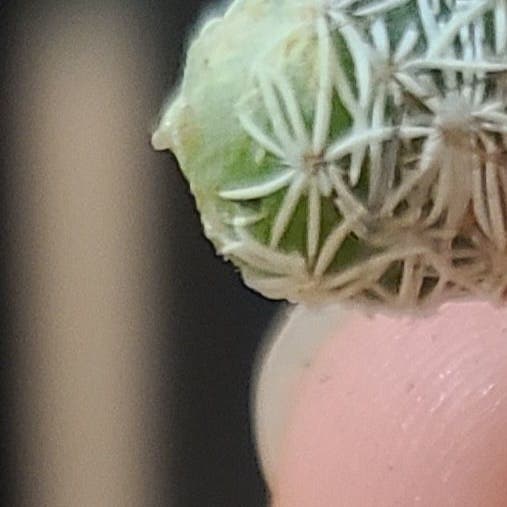
🌵 Common Nipple Beehive Cactus Problems
Coryphantha macromeris
By the Greg Editorial Team
Feb 29, 2024•4 min read
This article was created with the help of AI so we can cover more plants for you. May contain errors. See one? Report it here.
Thwart cactus calamities 🌵 and ensure your Nipple Beehive thrives with these key care insights.
- 🌵 Softness and discoloration? Over-watering alert! Let soil dry out.
- 🌞 Leaf scorching? Too much sun. Adjust light with curtains or rotation.
- 🐜 Pests or mold? Use insecticidal soap, neem oil, or fungicide.
When Water Works Against You
💦 Over-watering Woes
Softness and discoloration are the tell-tale signs of an over-watered Nipple Beehive Cactus. If your cactus feels squishy, it's time to intervene.
🏜️ Drying Out: Rescue Steps
First, stop watering immediately. Let the soil dry out completely. If the soil feels like a swamp, consider repotting with a better-draining mix.
The Thirsty Cactus Conundrum
A shriveled appearance signals a thirsty cactus. The skin may look wrinkled, and the soil will be bone-dry.
💧 Quenching the Thirst: Proper Hydration
Water your cactus deeply but infrequently, allowing the soil to dry out between waterings. Think of it as a rain shower for your cactus, not a flood.
Light and Temperature: A Balancing Act
🌞 Too Much Sun, Too Little Shade
Leaf scorching is a cactus's SOS—a plea for less sun. Brown tips or patches are a dead giveaway that your Nipple Beehive Cactus is getting too much of a good thing. Rotate the plant or use a sheer curtain to soften the sun's harshness.
🌓 Shifting Shades
Adjusting your cactus's light exposure isn't rocket science, but it does require vigilance. As seasons change, so should your cactus's spot. Aim for bright, indirect light—enough to thrive, not enough to fry.
🌡️ Temperature Tantrums
If your cactus is wilting or discoloring, it's not being moody—it's stressed. Keep daytime temperatures between 70-100°F and nighttime temps a bit cooler, around 50-70°F.
🌬️ Keeping it cool (or warm)
Insulate against the cold and provide shade in the heat. Remember, your cactus craves consistency, so avoid placing it near drafty windows or under the direct blast of air conditioners or heaters.
Uninvited Guests: Pests and Pathogens
🐛 Pesty Predicaments
Your Nipple Beehive Cactus might be under siege by tiny terrors. Pests like spider mites, aphids, and mealybugs are the usual suspects. They're not just a nuisance; they can seriously harm your plant.
Spotting them involves a keen eye for unusual marks or the presence of the bugs themselves. If you see fine webs, sticky residue, or tiny white cotton-like bugs, it's time for action.
🐜 Pest Control: Natural and Chemical Remedies
For a start, insecticidal soap or neem oil can be effective bouncers, showing pests the door. Apply diligently and repeat as necessary. In severe cases, chemical pesticides are the big guns but use them with caution and precision.
Introducing beneficial insects, like ladybugs, can provide long-term pest management. They're the unpaid interns of the garden world, working hard to keep your cactus clean.
🍄 Fungus Among Us
Mold and mildew are the party poopers of the plant world. They show up uninvited, thriving in moist and poorly ventilated conditions. Look for powdery or fuzzy growths on the soil or plant.
🌬️ Clearing the Air: Solutions for Mold and Fungus
When it comes to fungal issues, a targeted fungicide might be your best bet. Choose one that's tough on fungi but gentle on succulents. Always follow the application instructions.
Prevent future fungal gatecrashers by ensuring good air circulation and controlled humidity. Sometimes, the best defense is a good offense, and that means keeping conditions less club, more library.
Root of the Problem: Root Rot
🌧️ Soggy Bottom Blues
🚨 Rotten to the core: Detecting root rot
Root rot is the silent assassin of the Nipple Beehive Cactus. Discoloration and a funky smell are your first clues. If the roots are brown or black and squishy, you've got a serious problem. Above ground, yellowing and wilting are the cactus's distress signals.
🌱 Repotting and recovery: Steps to save your cactus
Unpot your cactus carefully. It's like defusing a bomb. If the roots are mushy, it's surgery time. Snip the bad parts with sterilized scissors. Dry out the cactus before repotting in fresh, well-draining soil. The pot's drainage holes are non-negotiable—they're your cactus's lifeline. Water sparingly; think of it as a plant rehab.
⚠️ Safety First
This content is for general information and may contain errors, omissions, or outdated details. It is not medical, veterinary advice, or an endorsement of therapeutic claims.
Always consult a qualified healthcare professional before using any plant as food, medicine, or supplement.
Never eat any plant (or feed one to pets) without confirming its identity with at least two trusted sources.
If you suspect poisoning, call Poison Control (800) 222-1222, the Pet Poison Helpline (800) 213-6680, or your local emergency service immediately.
Spotted an error? Please report it here.
Avoid overwatering and keep your Nipple Beehive Cactus resilient 🌵 with Greg's custom watering reminders and seasonal care tips, ensuring it stays healthy year-round.