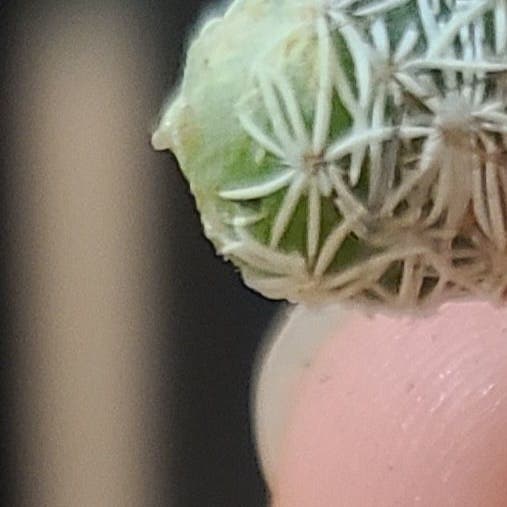
🌵 Why Are My Nipple Beehive Cactus Leaves Turning Yellow?
Coryphantha macromeris
By the Greg Editorial Team
Feb 29, 2024•4 min read
This article was created with the help of AI so we can cover more plants for you. May contain errors. See one? Report it here.
Stop the yellowing 🟡 of your Nipple Beehive Cactus leaves with our targeted rescue guide! 🌵
- 🌵 Over/underwatering and light issues cause yellow leaves; adjust care accordingly.
- 💧 Use moisture meter to perfect watering; wait for top inch of soil to dry.
- 🌞🌡️ Maintain consistent light and temperature; use cactus-specific fertilizer sparingly.
Pinpointing the Culprits Behind Yellow Leaves
💦 Overwatering Woes
Overwatered cacti are like sponges left in a sink—soggy and sad. If your Nipple Beehive Cactus is sporting yellow leaves, it's likely been drowning in TLC. The soil should be firm, not squishy. To dry out the roots, cut back on watering and ensure your pot has proper drainage.
🏜️ Underwatering Symptoms
Conversely, a parched cactus will look as lifeless as yesterday's toast. Leaves may appear crispy and the soil bone-dry. Finding the watering sweet spot means waiting until the top few inches of soil are dry before giving your cactus a drink. It's not neglect; it's tough love.
🌞 Sunburn and Chill Damage
Too much sun can turn a cactus as yellow as a lemon. If your plant is sporting a sunburn, it's time to provide some shade during peak hours. Chill damage can also cause yellowing. Keep your cactus in a spot that's warm enough to avoid the cold but not so hot it's baking.
🍽️ Hungry Cactus, Pale Leaves
Nutrient deficiencies can leave your cactus looking washed out. A balanced, cactus-specific fertilizer is your best bet for greening up those leaves. But remember, it's a fine line—too much and you risk root burn. Stick to the recommended dosage and consider using filtered water to prevent salt buildup.
Turning the Tide on Yellowing Leaves
💧 Fine-Tuning Watering Techniques
Watering your Nipple Beehive Cactus isn't a set-it-and-forget-it deal. Observe the soil before you water; if the top inch is dry, it's showtime. Soak the soil until water escapes the drainage holes, then cut it out. Overwatering is the fast track to yellow leaves.
Tools of the Trade
Don't trust your instincts alone; use a moisture meter to gauge the wetness of the soil. It's a techy sidekick that prevents overzealous watering. And remember, terracotta pots are your cactus's best friend, wicking away extra moisture like a charm.
🌞 Light and Temperature Harmony
Your cactus loves the limelight, but not too much. Bright, indirect light is the sweet spot. If your cactus is getting a sunburn, throw some shade with a sheer curtain.
Keeping the Temperature Just Right
Cacti don't enjoy the extremes. Keep the temperature consistent—not too hot, not too cold. Think of it as setting the thermostat for a guest who's never quite comfortable. If the leaves start to yellow, it might be time to move your cactus to a better spot.
Nourishing Your Cactus Back to Health
💡 The Fertilizer Fix
Choosing the right fertilizer is crucial for your cactus's comeback. Opt for a water-soluble blend with a low nitrogen content, like a 3-1-2 ratio. This isn't a buffet; it's a carefully curated meal for your prickly pal.
🔄 Fertilizing Frequency: Not Too Little, Not Too Much
Your cactus craves balance. Over-fertilization is the silent killer—akin to overfeeding a pet. Conversely, under-fertilization leaves your cactus hangry and hindered. Aim for a monthly dose during the growing season, and then let it rest through winter's chill.
🌱 Selecting the Right Fertilizer
With a smorgasbord of options—liquid, granular, slow-release, organic—it's easy to get dizzy. Don't. Whether you go for the convenience of slow-release pellets or the earthy goodness of worm castings, remember: your cactus is a refined eater.
🚨 Recognizing Under-Fertilization Symptoms
Weak, weepy roots and thin stems are SOS signals from your cactus. It's not on a diet; it's starving. A lack of blooms is the botanical equivalent of a comedian bombing on stage—nobody's happy.
🛠 Identifying and Correcting Over-Fertilization
If you've gone overboard, it's time for damage control. Remove any excess from the soil surface and flush the soil with water. Consider a repotting intervention if things look dire. Remember, fertilization is the spice of life—too much, and you'll spoil the pot.
Staying Green: Preventing Yellow Leaves in the Future
🌱 Consistency is Key
Crafting a care routine for your Nipple Beehive Cactus is like setting an alarm; do it once, and it becomes second nature. Watering should be as predictable as your morning coffee, and light exposure as regular as your daily commute. Rotate the pot for even sunbathing, and keep pests in check like a bouncer at a club.
🏡 The Right Home for Your Cactus
Selecting the perfect pot and soil mix is like choosing a comfortable pair of shoes for a marathon; it has to be just right. Well-draining soil is a must—think gritty, sandy, and airy. The pot should be the Goldilocks of containers: not too tight, not too spacious, with drainage holes to prevent soggy soil tragedies.
The Repotting Ritual
Regular repotting is akin to a health check-up. It's your chance to inspect the roots and refresh the soil, ensuring your cactus isn't cramped. When repotting, handle with care, use gloves, and allow your plant to acclimate before resuming your finely-tuned care routine. Remember, a stress-free cactus is a yellow-free cactus.
⚠️ Safety First
This content is for general information and may contain errors, omissions, or outdated details. It is not medical, veterinary advice, or an endorsement of therapeutic claims.
Always consult a qualified healthcare professional before using any plant as food, medicine, or supplement.
Never eat any plant (or feed one to pets) without confirming its identity with at least two trusted sources.
If you suspect poisoning, call Poison Control (800) 222-1222, the Pet Poison Helpline (800) 213-6680, or your local emergency service immediately.
Spotted an error? Please report it here.
Revive your cactus's vibrant green by letting Greg track watering 🌵 and light conditions, plus remind you when it's time to fertilize, ensuring your plant stays healthy and stress-free.