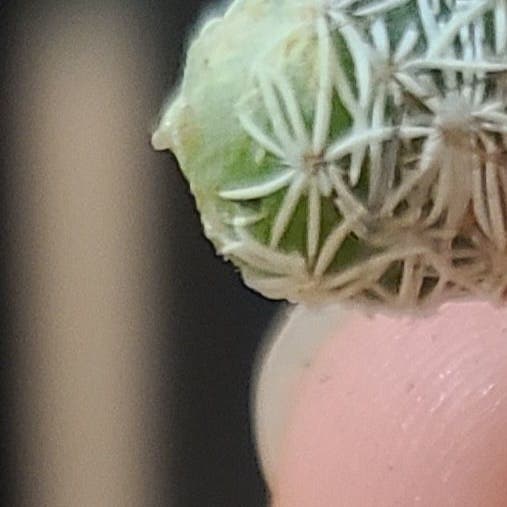
🌵 What Temperature Should My Nipple Beehive Cactus Be Kept At?
Coryphantha macromeris
By the Greg Editorial Team
Feb 29, 2024•4 min read
This article was created with the help of AI so we can cover more plants for you. May contain errors. See one? Report it here.
Keep your Nipple Beehive Cactus thriving 🌵 by hitting the sweet 70-100°F spot!
- 70°F to 100°F is ideal for growth and flowering of Nipple Beehive Cactus.
- Watch for wilting or discoloration, signs of temperature distress.
- Stable temps and humidity are key; avoid drafts and direct sunlight.
Dialing in the Perfect Heat
♨️ The Sweet Spot: 70°F to 100°F
The Nipple Beehive Cactus basks in temperatures between 70°F and 100°F. This range is its happy place, where it can soak up the warmth without breaking a sweat. Maximized growth and flowering are the rewards for hitting this thermal sweet spot.
When the Mercury Drops
Chilly temperatures are a no-go. Below 50°F, the cactus starts to sulk, showing signs of stress. It's not just about avoiding a cold; it's about preventing a full-blown plant health crisis.
Turning up the Heat
Conversely, heatwaves are like uninvited guests at a cactus party. Above 100°F, the plant's cells could throw in the towel. To dodge this, strategic shading and proper hydration can save the day, keeping your cactus from turning into a crispy critter.
Spotting Trouble: Signs of Temperature Distress
🚨 Visual Red Flags
Your Nipple Beehive Cactus is not a drama queen, but it will give you visual cues when it's not feeling the heat—or feeling too much of it. Wilting is your cactus waving a white flag, begging for a temperature change. Discoloration is another red alert; it's like your cactus is losing its natural glow, with leaves turning from vibrant green to a sickly yellow or brown.
Growth and Behavior Changes
If your cactus's growth has hit a wall, it's not slacking off—it's stressed. Stunted growth is a silent scream for help, a sign that your cactus is not in its comfort zone. When you notice the growth pace of your cactus slowing down, it's time to reassess the temperature situation. Abnormal growth patterns, like leaves curling up as if trying to escape the sun, are your cactus's way of saying it's too hot to handle.
Keeping the Balance: Avoiding Temperature Stress
🌡️ Common Culprits of Temperature Fluctuations
Drafts and direct sunlight are notorious for causing temperature swings that can stress your Nipple Beehive Cactus. Avoid placing your cactus near frequently opened doors, leaky windows, or air vents. Similarly, shield it from the intense afternoon sun which can spike temperatures to harmful levels.
Creating a Stable Environment
Consistency is key for a thriving Nipple Beehive Cactus. Here are some tips to maintain a stable temperature:
- Monitor: Keep a close eye on the temperature with a reliable thermometer.
- Strategic Placement: Position your cactus in a location that receives steady, indirect sunlight. East or north-facing windows are ideal.
- Protect: Use sheer curtains to diffuse direct sunlight during peak hours, especially for south or west-facing windows.
- Insulate: During winter, ensure windows are well-sealed to prevent cold drafts from affecting your cactus.
- Circulate: Good air circulation helps maintain even temperatures, but avoid placing your cactus in the path of strong air currents.
- Adapt: Be prepared to make seasonal adjustments to your cactus's environment to counteract the changing outdoor temperatures.
A Quick Note on Humidity
💧 Humidity's Role in Cactus Care
Humidity isn't the star of the show for the Nipple Beehive Cactus, but it's a crucial supporting actor. This cactus doesn't crave a tropical rainforest vibe; it's more of a desert dweller. Moderation is key—too much humidity invites fungal gatecrashers, while too little could leave your cactus parched and pleading for moisture.
🌡 Keeping Humidity Just Right
A hygrometer is your best friend here, letting you keep tabs on moisture levels like a hawk. Aim for a humidity sweet spot of 40% to 60%—it's the comfort zone where your cactus can kick back and relax. If the air gets too dry, consider a pebble tray or a discreet spritz of water. But remember, we're not throwing a pool party for your cactus.
🌡 The Temperature-Humidity Tango
Temperature and humidity are like an old married couple—they bicker, they depend on each other, and they can't really live apart. High temperatures can jack up the humidity, turning your cactus's cozy desert into an unwanted sauna. Keep a watchful eye on this duo, especially as seasons change, to maintain that Goldilocks zone of just-right conditions.
⚠️ Safety First
This content is for general information and may contain errors, omissions, or outdated details. It is not medical, veterinary advice, or an endorsement of therapeutic claims.
Always consult a qualified healthcare professional before using any plant as food, medicine, or supplement.
Never eat any plant (or feed one to pets) without confirming its identity with at least two trusted sources.
If you suspect poisoning, call Poison Control (800) 222-1222, the Pet Poison Helpline (800) 213-6680, or your local emergency service immediately.
Spotted an error? Please report it here.
Ensure your Nipple Beehive Cactus thrives 🌡️ by letting Greg monitor and manage its ideal growing conditions, keeping it happy and healthy without the guesswork.