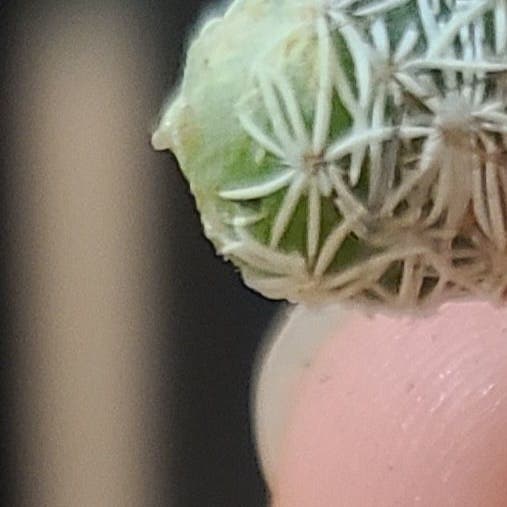
✂️ How and When Should I Cut Back My Nipple Beehive Cactus?
Coryphantha macromeris
By the Greg Editorial Team
Feb 29, 2024•5 min read
This article was created with the help of AI so we can cover more plants for you. May contain errors. See one? Report it here.
Perfect your cactus's health and blooms 🌵✂️ with expert pruning timing and techniques!
- Sterilize shears for healthy cuts, and wear gloves for safety. 🌵✂️
- Prune in spring during growth phase for resilience and blooms.
- Aftercare: water sparingly, fertilize, and let cuts callus naturally.
Gear Up: Tools of the Trade
🔪 Choosing Your Pruning Tools
Pruning your Nipple Beehive Cactus starts with sharp shears. They're the surgeons in your garden operation, making precise cuts without the mess. Keep them sterilized; rubbing alcohol or a bleach solution works wonders. It's like a flu shot for your cactus—prevention is key.
🧼 Caring for and Sterilizing Your Tools
After each use, clean your tools to prevent disease spread. Think of it as dental hygiene for your cactus. A wire brush can remove stubborn plant residue, and a sharpener ensures your next cut is just as clean. Regular maintenance is the unsung hero of plant care.
⚠️ Safety First
Don some gloves to protect your hands from the cactus's spiky defenses. Safety goggles are not optional—they're your personal shields against flying debris. Remember, pruning is no time for a fashion statement; it's about keeping your eyes and skin safe.
Snip Snip: Pruning Your Cactus
🌵 Identifying What to Cut
Spot dead or damaged tissue; it's got to go. Look for areas that throw off your cactus's symmetry—these may need shaping.
✂️ Making the Cut
Clean cuts are non-negotiable; they're your cactus's best chance at healing. Avoid cutting mistakes by being precise—no hacking.
Timing is Everything: When to Prune
🌵 Understanding the Cactus's Growth Cycle
Pruning your Nipple Beehive Cactus isn't a random hack job—it's a timed art. Recognize when your cactus is in its active growth phase; this is when it's most resilient. Align your pruning with these growth spurts to ensure your cactus bounces back better than ever.
📅 Seasonal Pruning Guide
The best time to prune? Spring into action as the weather warms up. This is when your cactus is gearing up for growth, making it the ideal time to trim. Pruning in spring encourages healing and rejuvenation, setting the stage for a summer of lush, vibrant growth. Avoid the temptation to prune in the heat of summer or the dormancy of winter—your cactus won't thank you for it.
Flower Power: Pruning for Blooms
🌸 Encouraging Flowering Through Pruning
Pruning isn't just a trim; it's a strategic play to boost those coveted blooms. Timing your cuts is crucial—snip during the growth phase to encourage flowering, not when your cactus is about to hibernate for the winter.
- Strategic cuts can promote blooming.
- Balance plant health with aesthetic goals.
⚖️ Balancing Plant Health with Aesthetic Goals
Pruning should be a balancing act. Aim to remove just enough to improve health and shape without turning your cactus into a spiky shadow of its former self. Remember, a stressed cactus is a non-blooming cactus.
- Remove dead or damaged growth to redirect energy to flowers.
- Don't overdo it; stress can lead to fewer blooms.
💀 Deadheading for Future Blooms
Deadheading isn't just busywork; it's like hitting the refresh button for your cactus. By removing spent blooms, you're telling your plant to focus on the future, not the past.
- Remove spent flowers to encourage new blooms.
- Be gentle to avoid damaging emerging buds.
🌱 Post-Pruning Fertilization
After pruning, give your cactus a pep talk with fertilizer. It's like a post-workout protein shake for your plant, helping it bounce back stronger and ready to put on a floral show.
- Fertilize post-pruning to encourage flower production.
- Use a cactus-specific fertilizer for best results.
☀️ Sunlight: Your Flower Power Fuel
Pruning also means thinking about the sun. By thinning out your cactus, you're ensuring that every part gets its time in the spotlight, which is essential for flower production.
- Boost air circulation and light exposure through strategic snips.
- Use clean, sharp tools for precise cuts.
Post-Pruning Care
🌵 Helping Your Cactus Heal
After pruning, your Nipple Beehive Cactus is like a boxer post-fight—it's tough, but it needs time to recover. Water sparingly, as overhydration can lead to more harm than a hangover. Instead, put your cactus back in its favorite sunny spot and let it work its magic.
👀 Monitoring Your Cactus Post-Pruning
Keep a watchful eye on your cactus after the snip. Any signs of distress, such as discoloration or wilting, should be addressed promptly. Adjust the light or watering as needed, but remember, patience is key—cacti heal on their own sweet time. Look for new growth as a sign of a successful recovery and give yourself a pat on the back when you see it.
🛠️ Immediate Aftercare Steps
Clean your tools post-pruning to prevent any disease spread. Hold off on watering right away to give the cactus time to form a natural callus over the cuts. Ensure it's in a stable environment with bright, indirect light and consistent temperatures to encourage healing.
🚫 Avoiding Common Mistakes
Resist the urge to apply sealants to the cuts—your cactus knows how to heal itself. Continue with your regular care routine, but be vigilant for pests, as stressed plants can be more susceptible. Address any infestations immediately to prevent further stress on your cactus.
🌵 Adjusting Care Post-Pruning
If you've been heavy-handed with the shears, your cactus might be in shock. Trim sparingly next time, and focus on dead or overgrown areas. After pruning, protect the cuts from infections with a natural antifungal if needed, but often, the best approach is to let the plant heal on its own.
⚠️ Safety First
This content is for general information and may contain errors, omissions, or outdated details. It is not medical, veterinary advice, or an endorsement of therapeutic claims.
Always consult a qualified healthcare professional before using any plant as food, medicine, or supplement.
Never eat any plant (or feed one to pets) without confirming its identity with at least two trusted sources.
If you suspect poisoning, call Poison Control (800) 222-1222, the Pet Poison Helpline (800) 213-6680, or your local emergency service immediately.
Spotted an error? Please report it here.
Prune your Nipple Beehive Cactus to perfection in its growth phase for a blooming spectacle 🌵, with Greg's timely reminders ensuring you cut back at just the right moment.