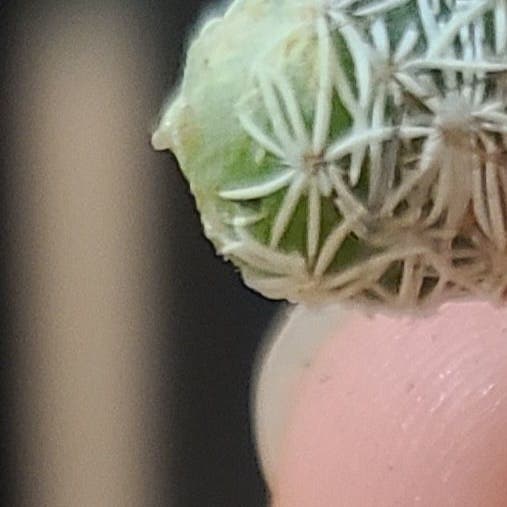
🌵 Fertilizing My Nipple Beehive Cactus
Coryphantha macromeris
By the Greg Editorial Team
Feb 29, 2024•3 min read
This article was created with the help of AI so we can cover more plants for you. May contain errors. See one? Report it here.
Learn to fertilize your cactus for show-stopping blooms and robust health! 🌵💪
- Right fertilizer is key: Organic for soil health, synthetic for quick results.
- Fertilize in spring/summer: Monthly with balanced N-P-K ratios like 1-1-1 or 2-1-1.
- Boost blooms with phosphorus: Adjust fertilization for flowering; avoid over-fertilizing.
Picking the Right Fertilizer
💡 Types of Fertilizers Fit for a Cactus
In the realm of cactus care, the fertilizer you choose is a make-or-break factor. Organic fertilizers, like worm castings, are a long-term investment in soil health, fostering a robust ecosystem beneath the surface. On the flip side, synthetic fertilizers pack a punch with precise nutrient ratios for immediate results. But caution is the name of the game; too much can send your cactus into distress.
💡 Reading Fertilizer Labels
Deciphering N-P-K ratios is like cracking a code that spells out cactus success. These numbers tell you the percentage of nitrogen (N), phosphorus (P), and potassium (K) present. A balanced 1-1-1 or a 2-1-1 ratio often hits the sweet spot, providing just enough nitrogen to avoid a leafy overgrowth while encouraging sturdy, blooming beauties. Don't overlook micronutrients—these are the unsung heroes that support overall health.
Timing is Everything: When to Fertilize
⏰ Growing Season Guidelines
Your Nipple Beehive Cactus is like a bear—it hibernates. Spring and summer are its active seasons, the time to fertilize. This is when your cactus is stretching out its limbs, soaking up the sun, and ready to chow down on nutrients.
During these months, temperature and light are your cactus's best friends, signaling it's time to feast. A monthly dose of fertilizer will keep it in top shape, like a monthly subscription to a gym. But remember, it's a cactus, not a glutton—keep the portions small.
🛌 Dormancy Do's and Don'ts
Come fall and winter, your cactus is off the clock. It's its time to chill, and fertilizing now is a big no-no. Think of it as offering an espresso to someone about to nap—it's just not the time.
During dormancy, your cactus is conserving energy, and extra nutrients will only upset its natural balance, potentially causing harm. So, when the days get shorter and the temperature drops, put the fertilizer away. It's time for your spiky friend to rest up for the next growing season.
The Fertilization Process
🌱 Step-by-Step Fertilizing
Mixing your fertilizer correctly is non-negotiable. Start with a half-strength liquid fertilizer to avoid shocking your Nipple Beehive Cactus. Use a watering can for even distribution, ensuring the soil is moist before application to prevent root burn.
Frequency is key. During the growing season, a monthly or bi-monthly schedule should suffice. It's like a regular check-in with your cactus to make sure it's getting what it needs without overdoing it.
🚫 Avoiding Over-Fertilization
Over-fertilization is the silent killer of cacti. Yellowing or browning leaves and a crusty residue on the soil are distress flares from your plant. If you've gone overboard, remove the excess fertilizer and flush the soil with water. Repeat this every few days and consider pruning damaged parts to help your cactus recover.
To prevent future overzealousness, remember that less is more. A cactus is not a glutton; it's a minimalist that thrives on just enough. Keep an eye on your plant's response and adjust your fertilization routine accordingly.
Fertilizing for Fabulous Flowers
🌸 Nutrient Boost for Blooming
To kickstart blooming, adjust your fertilization routine. Phosphorus is the MVP for flower production, so look for a fertilizer with a higher P in the N-P-K ratio.
🌵 The Role of Phosphorus in Cactus Flowering
Phosphorus is crucial for cactus blooms. Dial back nitrogen to prevent a foliage party at the expense of flowers. Instead, boost phosphorus levels as the growing season progresses to encourage your cactus to focus on blooming.
⚠️ Safety First
This content is for general information and may contain errors, omissions, or outdated details. It is not medical, veterinary advice, or an endorsement of therapeutic claims.
Always consult a qualified healthcare professional before using any plant as food, medicine, or supplement.
Never eat any plant (or feed one to pets) without confirming its identity with at least two trusted sources.
If you suspect poisoning, call Poison Control (800) 222-1222, the Pet Poison Helpline (800) 213-6680, or your local emergency service immediately.
Spotted an error? Please report it here.
Ensure your cactus thrives with zero guesswork 🌵 by letting Greg remind you when and how to fertilize for successful blooms.