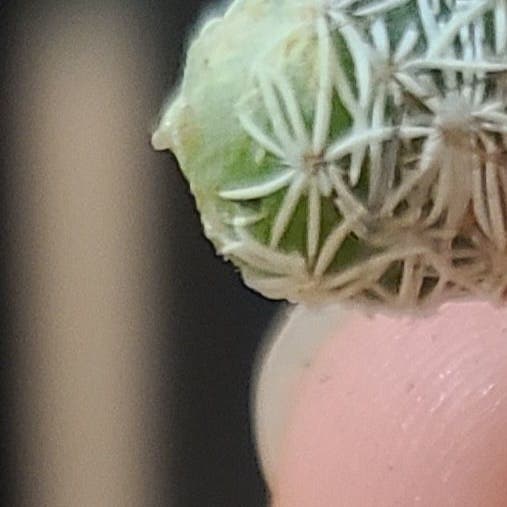
🌵 Why Are There Brown Spots on My Nipple Beehive Cactus?
Coryphantha macromeris
By the Greg Editorial Team
Feb 29, 2024•5 min read
This article was created with the help of AI so we can cover more plants for you. May contain errors. See one? Report it here.
Banish brown spots on your Nipple Beehive Cactus 🌵 with this essential health and care guide!
- Brown spots signal sunburn, overwatering, or infections—each with distinct textures.
- 🌵 Prevent sunburn by acclimating to sunlight and using shade during peak hours.
- Combat overwatering and infections with dry soil and targeted treatments.
Spotting the Trouble: Identifying Brown Spots
🚨 Visual Cues: Recognizing the Issue
Brown spots on your Nipple Beehive Cactus can be alarm bells. They might show up as small, discrete dots or evolve into larger patches that scream for attention. The texture varies too; some spots are dry and callous, while others might be soft and squishy, hinting at different troubles beneath the surface.
🔍 Quick Self-Diagnosis: Pinpointing the Problem
Sunburn often leaves a telltale pale brown mark, while overwatering could result in spots that feel more like a wet sponge. If you spot a yellowish halo, that's your cactus waving a flag of distress, possibly due to fungal issues. Insect infestations? They leave behind their own signature: tiny white spots with web-like decorations.
⏰ Timing and Progression: When to Worry
Spots can pop up anytime but often gatecrash during your plant's low moments—think extreme temperatures or a watering schedule gone haywire. Catching these spots early is like fixing a leak before your entire kitchen floods—crucial.
🌵 Keeping Spots at Bay: The Proactive Approach
Your cactus loves the spotlight, but too much sun can lead to a botanical sunburn. Rotate your plant for even exposure, and consider that sometimes, a little shade is a good thing. And remember, watering is an art—your cactus prefers a sip over a gulp.
Sunburn Scars: When the Sun Loves Too Much
🕶️ Spotting Sunburn
Sunburn on your Nipple Beehive Cactus will showcase brown, crispy patches, particularly on the areas that receive the most sun. These spots are the plant's version of an SOS signal, indicating that it's time to dial back on the sunlight exposure.
🌱 Healing the Burns
To aid recovery, relocate your cactus to a place with bright, but indirect light. The damaged areas are best left untouched; they'll heal over time as the cactus continues to grow. Patience is key—think of it as a waiting game where time is the main player.
🛡️ Shielding from the Rays
Preventing future sunburn involves acclimating your cactus to sunlight gradually. Start with morning light and slowly increase exposure. Consider using a shade cloth during the peak intensity hours to protect your cactus. Remember, it's about finding that sweet spot where your cactus can bask without baking.
Water Woes: Too Much of a Good Thing
💧 Overwatering Signs: The Telltale Symptoms
Yellow leaves and a funky smell from the soil are your cactus's version of an SOS. If the base feels like a squishy stress ball, you've been too generous with the watering can. Soggy soil that clings to your fingers is another red flag. It's like your cactus is at a pool party without a floatie—it's in over its head.
Drying Out: Cactus CPR
When you've over-loved with water, it's time for some tough love. Let the soil go bone-dry before you even think about watering again. If the roots have turned into a mushy brown mess, it's transplant time—get that cactus into fresh, well-draining soil, stat. Think of it as an ICU for your prickly pal.
Thirsty, Not Drenched: Hitting the Hydration Sweet Spot
Finding the watering sweet spot is like hitting the bullseye in darts—satisfying and crucial. Water deeply but infrequently, allowing the top inch of soil to dry out completely. Your pot should feel lighter than your conscience on a good day. Remember, good drainage isn't just nice, it's necessary—holes in the pot are as vital as air holes in a submarine.
Fending Off Fungi and Bacteria: Keeping Infections at Bay
🦠 Spotting the Invaders: Identifying Signs of Fungal and Bacterial Infections
Fungal and bacterial infections are stealthy adversaries for your Nipple Beehive Cactus. Look out for discolored spots, mushy areas, or a funky smell—these are the telltale signs that microorganisms have gatecrashed your cactus party. If you spot tiny black dots within the spots, it's time to sound the alarm; these could be fungal fruiting bodies, and they're not here to celebrate.
⚔️ Combat Strategies: Effective Treatments to Nip Infections in the Bud
When you confirm an infection, it's time for some triage. Isolate your cactus to prevent the contagion from spreading. Whip out your sterilized shears and prune the affected areas—think of it as surgery for your spiky friend. For fungal foes, a fungicide is your chemical sword; wield it according to the label's instructions. Facing a bacterial blitz? Copper compounds might be your best bet. But remember, moderation is key; overuse could backfire.
🧼 Clean Living: Prevention Tactics to Keep Your Cactus Healthy and Spot-Free
Prevention is the best medicine. Keep your cactus's environment as inhospitable to pathogens as a desert is to a polar bear. Ensure good air circulation and keep the soil on the drier side—fungi and bacteria throw a rave in moist conditions. Regularly clean your tools with a bleach solution to prevent any microbial mutiny. And if you're introducing new plants to your collection, quarantine them first; you never know what microscopic stowaways they might be harboring.
⚠️ Safety First
This content is for general information and may contain errors, omissions, or outdated details. It is not medical, veterinary advice, or an endorsement of therapeutic claims.
Always consult a qualified healthcare professional before using any plant as food, medicine, or supplement.
Never eat any plant (or feed one to pets) without confirming its identity with at least two trusted sources.
If you suspect poisoning, call Poison Control (800) 222-1222, the Pet Poison Helpline (800) 213-6680, or your local emergency service immediately.
Spotted an error? Please report it here.
Banish those brown spots 🤔 on your Nipple Beehive Cactus with Greg's tailored care plan, ensuring your spiky friend recovers and thrives!