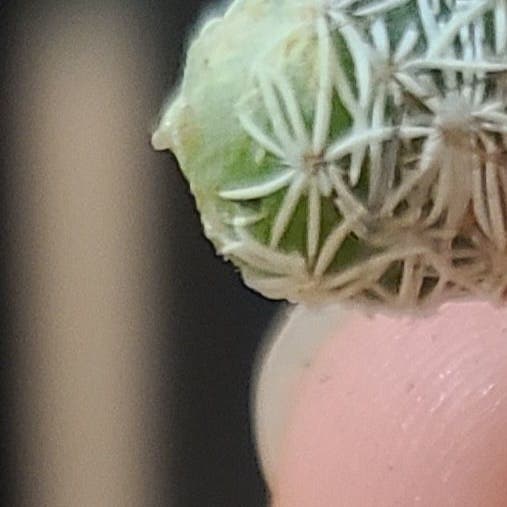
🐛 What To Do About Bugs on My Nipple Beehive Cactus?
Coryphantha macromeris
By the Greg Editorial Team
Feb 29, 2024•4 min read
This article was created with the help of AI so we can cover more plants for you. May contain errors. See one? Report it here.
Safeguard your cactus's charm 🌵 from bug battles with these effective, green-thumb tactics!
- 🕸️ Spider mites and mealybugs: Look for webbing, leaf damage, and white deposits.
- 🌵 Prevent infestations: Regular inspections, cleanliness, and proper environment.
- 🐞 Beneficial bugs and neem oil: Natural allies in your pest control arsenal.
Spot the Invaders: Identifying Common Pests
🕷️ Spider Mites
Webbing and leaf damage are your first clues to a spider mite issue. These tiny pests suck the life out of your cactus, leaving behind a telltale speckled appearance.
To combat them, increase humidity and cleanliness. Use insecticidal soap or neem oil for a more direct approach, ensuring you follow the application instructions meticulously.
🛡️ Scale Insects
Scale insects are masters of disguise, appearing as small bumps on your cactus. They exude a sticky residue, which is a clear sign of their presence.
Manual removal with a toothpick or alcohol-dipped cotton swab can be effective. For stubborn cases, systemic insecticides are an option, but use them as a last resort and rotate treatments to prevent resistance.
🦟 Fungus Gnats and Fruit Flies
A cloud of tiny flies around your cactus and overwatered soil are red flags for fungus gnats and fruit flies.
To eradicate these pests, reduce watering, let the soil dry out, and use yellow sticky traps for the adults. A layer of sand on the soil can block larvae from emerging.
🐛 Mealybugs
Mealybugs leave fluffy white deposits in the nooks of your cactus. They also secrete sticky honeydew, leading to sooty mold.
Alcohol wipes or insecticidal soap are your go-to solutions here. Apply diligently and keep up regular plant inspections to catch any new invaders early.
🐜 Other Unwelcome Guests
Aphids and thrips may also show up uninvited. Aphids are found in clusters, often on new growth, while thrips are tiny and fast-moving.
Spray aphids with water or introduce ladybugs as natural predators. For thrips, insecticidal soaps or neem oil can be effective. Regular plant check-ups are crucial to catch these pests before they become a serious problem.
Pro Tips: Preventing Pest Parties
🕵️ Regular Check-ups and Cleanliness
Regular inspections are your cactus's personal bodyguards. They spot trouble before it escalates. Keep a keen eye on your Nipple Beehive Cactus; pests love to play hide and seek in its nooks and crannies. Cleanliness is your stealth weapon—dead leaves are party invitations for bugs, so clear them out promptly.
🌿 Environmental Control
Creating the right environment is like setting a no-bug zone. Ensure good air circulation and appropriate humidity levels to make pests think twice before crashing your cactus's space. If pests are party animals, then dry, clean conditions are the bouncers keeping them out.
🚧 Quarantine for Newcomers
New plants are like mysterious strangers—they could be harboring secret pests. Isolate them for at least two weeks to prevent any unwelcome introductions. Quarantining is like a background check for plants, ensuring they're clean before joining the party.
Natural Allies and Safe Solutions
🐞 Beneficial Bugs to the Rescue
Ladybugs and lacewings aren't just garden decor; they're apex predators in the bug world. These beneficial insects chow down on pests like aphids and mites, keeping your Nipple Beehive Cactus clean without a drop of pesticide.
Release these insect allies onto your cactus or create a habitat that lures them in. It's like setting up a neighborhood watch for your plants, where the residents keep the peace.
🌿 Organic and Chemical-Free Options
Neem oil: it's the Swiss Army knife of plant care. This natural insecticide disrupts pests' life cycles and is safe for your cactus when used properly. Apply it to the leaves, both top and bottom, to send pests packing.
Insecticidal soap is another eco-friendly bouncer. It's gentle on plants but tough on pests like spider mites and scale insects. Spray it directly on the invaders for best results.
Bacillus thuringiensis (Bt) is a bacteria that's like a Trojan horse for caterpillars. They eat it, and it's game over for them, but it's harmless to your cactus and other beneficial insects.
Remember, the best offense is a good defense. Regularly clean your cactus and use organic fertilizers to avoid chemical buildup that can harm your plant's natural protectors. It's like giving your cactus a spa day that also keeps the bugs away.
⚠️ Safety First
This content is for general information and may contain errors, omissions, or outdated details. It is not medical, veterinary advice, or an endorsement of therapeutic claims.
Always consult a qualified healthcare professional before using any plant as food, medicine, or supplement.
Never eat any plant (or feed one to pets) without confirming its identity with at least two trusted sources.
If you suspect poisoning, call Poison Control (800) 222-1222, the Pet Poison Helpline (800) 213-6680, or your local emergency service immediately.
Spotted an error? Please report it here.
Ensure your Nipple Beehive Cactus remains invincible against pests 🛡️ with Greg's tailored reminders for humidity and air circulation checks!