Step-by-Step Guide to Propagating Miltoniopsis
Miltoniopsis spp.
By the Greg Editorial Team
Sep 29, 2024•5 min read
This article was created with the help of AI so we can cover more plants for you. May contain errors. See one? Report it here.
- 🌱 Start with mature Miltoniopsis for successful propagation and multiple growths.
- 🔪 Use sterilized tools to prevent infection during division and cutting.
- 🌡️ Maintain humidity and temperature for optimal seedling growth at 70-80% and 20-25°C.
Propagating via Division
Step-by-Step Instructions for Division 🌱
Choose a mature plant with multiple growths. This ensures you have enough material for successful propagation.
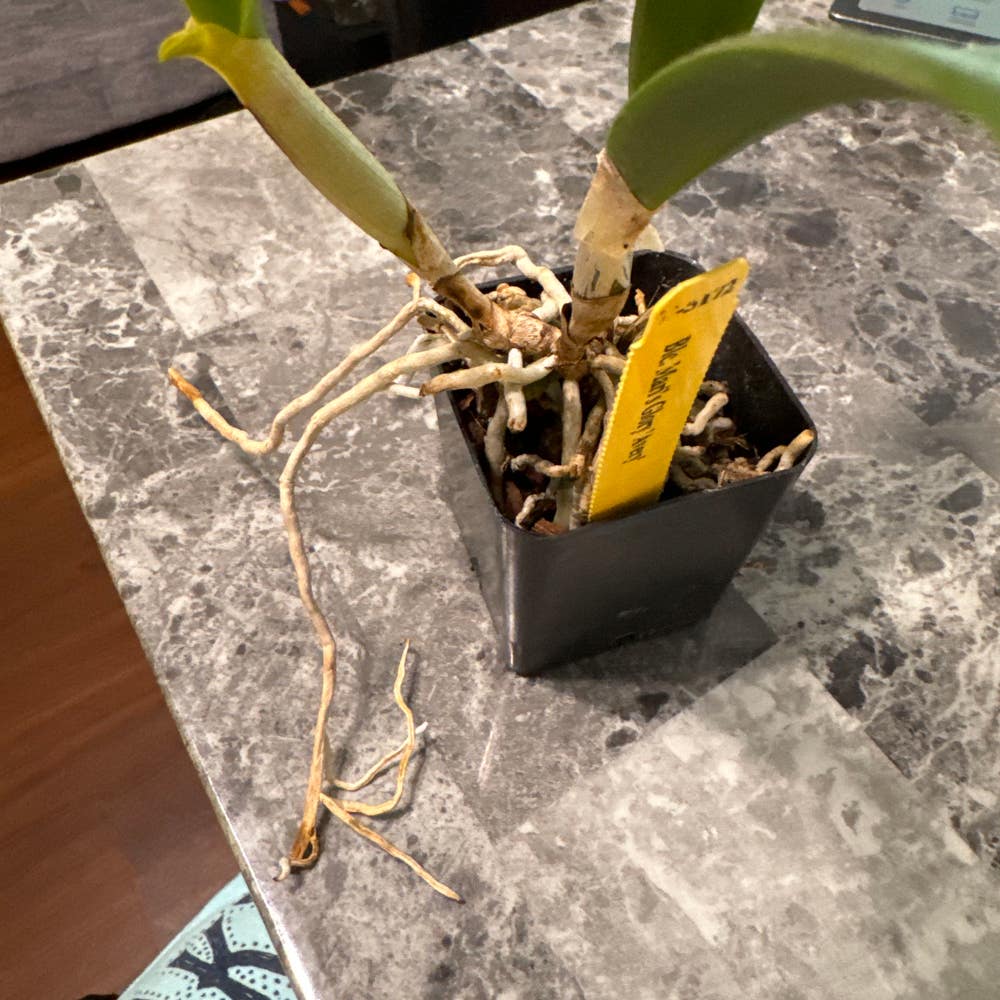
Carefully remove the plant from its pot, ensuring minimal disturbance to the root system. This step is crucial for the health of both the parent plant and the divisions.
Inspect the root system and identify natural divisions (bulbs) that can be separated. Look for sections that are clearly defined and can thrive independently.
Use sterilized scissors or a knife to cut the rhizome. Ensure each division has at least 2-3 pseudobulbs for optimal growth.
Trim any damaged roots and dust the cut surfaces with cinnamon or a fungicide. This helps prevent rot and promotes healing.
Re-pot each division in a suitable orchid mix. Make sure the new pots have drainage holes to avoid waterlogging.
Best Time of Year for Division 🌼
- Ideal timing: Late spring to early summer, just after flowering. This is when the plant is actively growing, making it more resilient to the stress of division.
Tools Needed for Division 🛠️
- Sterilized scissors or knife: Essential for clean cuts.
- Potting mix suitable for orchids: Provides the right environment for growth.
- Small pots with drainage holes: Prevents excess moisture.
- Cinnamon or fungicide for wound treatment: Protects against rot.
By following these steps, you can successfully propagate your Miltoniopsis through division, ensuring healthy new plants. Next, let’s explore how to propagate via seeds for even more options in expanding your orchid collection.
Propagating via Seeds
Seed Collection and Preparation 🌱
Collecting seeds from Miltoniopsis is an exciting step. Wait until the flower pods turn brown and dry, signaling they’re ready for harvest.
Once collected, clean the seeds thoroughly to remove any debris. This preparation is crucial for successful germination.
Germination Process 🌱
To start germination, use a sterile medium like agar or a specialized orchid seed mix.
- Sow the seeds on the surface of the medium, ensuring they remain uncovered.
- Cover the setup with a clear plastic lid or wrap to maintain humidity.
- Position it in a warm, bright location with indirect light for optimal growth.
Ideal Growing Conditions for Seedlings 🌱
Creating the right environment for your seedlings is key.
- Temperature: Maintain between 20-25°C (68-77°F).
- Humidity: Aim for 70-80% humidity to keep them thriving.
- Light: Provide bright, indirect sunlight to prevent leaf burn while promoting healthy growth.
By following these guidelines, you set the stage for successful propagation. Next, let’s explore how to propagate Miltoniopsis via cuttings.
Propagating via Cuttings
🌱 Selecting the Right Cutting
To start propagating Miltoniopsis, choose healthy, mature stems. Look for stems that have at least one node and a few leaves for the best chance of success.
✂️ Preparing the Cutting for Propagation
- Use sterilized scissors to cut the stem just below a node. This ensures a clean cut and minimizes the risk of infection.
- Remove the lower leaves to expose the node, which is crucial for root development.
🌿 Rooting Hormone Application
Next, dip the cut end in rooting hormone. This step encourages robust root growth, giving your cutting a strong start.
🌧️ Care for Cuttings Until Established
- Place the cutting in a well-draining medium, like a mix of perlite and sphagnum moss. This combination promotes aeration and moisture retention.
- Maintain high humidity around 70% and keep the cutting in a warm spot with indirect light. This environment is essential for root establishment.
- Water sparingly until roots develop, typically within 4-6 weeks. Overwatering can lead to rot, so it's better to err on the side of caution.
With these steps, you’ll be well on your way to successfully propagating your Miltoniopsis via cuttings. Next, let’s explore common challenges you might face during propagation and how to overcome them.
Common Challenges in Propagation
🐛 Pests and Diseases
Identifying pests early can save your Miltoniopsis from serious damage. Common threats include aphids, mealybugs, and spider mites, which can wreak havoc during propagation.
Look for signs of infestation, such as sticky residue, webbing, or visible insects on your plants. If you notice any of these, it’s time to take action.
🧴 Treatment Options
For effective pest control, consider using insecticidal soap or neem oil. These options are gentle yet effective, helping to keep your plants healthy.
Regularly inspect your plants and remove any affected areas to prevent the spread of pests. Staying vigilant is key to successful propagation.
🌡️ Environmental Factors
Importance of Humidity and Temperature
Humidity and temperature play crucial roles in the propagation process. Aim for high humidity levels between 60-80% and moderate temperatures around 20-25°C.
To maintain these conditions, use humidity trays or mist your plants regularly. This will create an ideal environment for growth.
💡 Light Requirements for Successful Propagation
Light is another essential factor for thriving seedlings. Provide bright, indirect light to prevent leaf burn while encouraging healthy growth.
Finding the right balance will help your Miltoniopsis flourish. With the right care, you'll be well on your way to successful propagation.
As you navigate these challenges, remember that patience and attention to detail are your best allies. Next, we’ll explore the exciting process of propagating via seeds.
⚠️ Safety First
This content is for general information and may contain errors, omissions, or outdated details. It is not medical, veterinary advice, or an endorsement of therapeutic claims.
Always consult a qualified healthcare professional before using any plant as food, medicine, or supplement.
Never eat any plant (or feed one to pets) without confirming its identity with at least two trusted sources.
If you suspect poisoning, call Poison Control (800) 222-1222, the Pet Poison Helpline (800) 213-6680, or your local emergency service immediately.
Spotted an error? Please report it here.
Propagating your Miltoniopsis is a rewarding adventure 🌱, and with Greg's tailored reminders and expert tips, you'll cultivate thriving plants in no time!