🌸 4 Essential Steps to Grow Healthy Miltoniopsis
Miltoniopsis spp.
By the Greg Editorial Team
Sep 29, 2024•6 min read
This article was created with the help of AI so we can cover more plants for you. May contain errors. See one? Report it here.
- 🌞 Miltoniopsis thrive in 50-70% shade; avoid direct sunlight to prevent leaf scorch.
- 🌡️ Ideal temperature is 18-27°C with 50-70% humidity for optimal growth.
- 🌱 Use well-draining soil and containers with drainage holes to prevent root rot.
Choosing a Location
Ideal Light Conditions 🌞
Miltoniopsis thrive in light levels of 50-70% shade. Indirect sunlight is crucial for their healthy growth, as direct sunlight can scorch their delicate leaves.
Temperature and Humidity Requirements 🌡️
These orchids prefer a cozy temperature range of 18°C to 27°C (65°F to 80°F). Maintaining humidity levels between 50-70% is essential for keeping your plants vibrant and thriving.
Indoor vs. Outdoor Growing Considerations 🏡
Growing indoors offers a controlled environment, protecting your orchids from harsh weather. If you opt for outdoor growing, choose a sheltered spot with filtered light to shield them from intense sun exposure.
With the right location secured, you're ready to dive into soil preparation, ensuring your Miltoniopsis have the best foundation for growth.
Soil Preparation
Best Soil Mix 🌱
For Miltoniopsis orchids, a well-balanced soil mix is crucial. Combine bark, perlite, and sphagnum moss to create a medium that promotes healthy root growth.
This mix ensures excellent drainage while retaining enough moisture for the roots. A well-draining medium is essential to prevent root rot and encourage thriving plants.
Importance of Drainage 🚰
Proper drainage is vital for root health. If water accumulates, it can lead to root rot, which is detrimental to your orchid's well-being.
To ensure effective drainage, consider using containers with drainage holes. You can also add extra perlite to your soil mix for improved aeration.
pH Level Considerations ⚖️
Maintaining the right pH level is key for nutrient absorption. The ideal pH range for Miltoniopsis is between 5.5 and 6.5.
Regularly test your soil pH using a simple kit. If adjustments are needed, you can amend the soil with lime to raise the pH or sulfur to lower it.
With the right soil preparation, your Miltoniopsis will be set up for success. Next, let’s dive into effective planting techniques to ensure your orchids thrive.
Planting Techniques
Step-by-Step Planting Guide 🌱
Planting your Miltoniopsis is straightforward and rewarding. Follow these simple steps for success:
- Prepare the soil mix and container.
- Remove the orchid from its nursery pot.
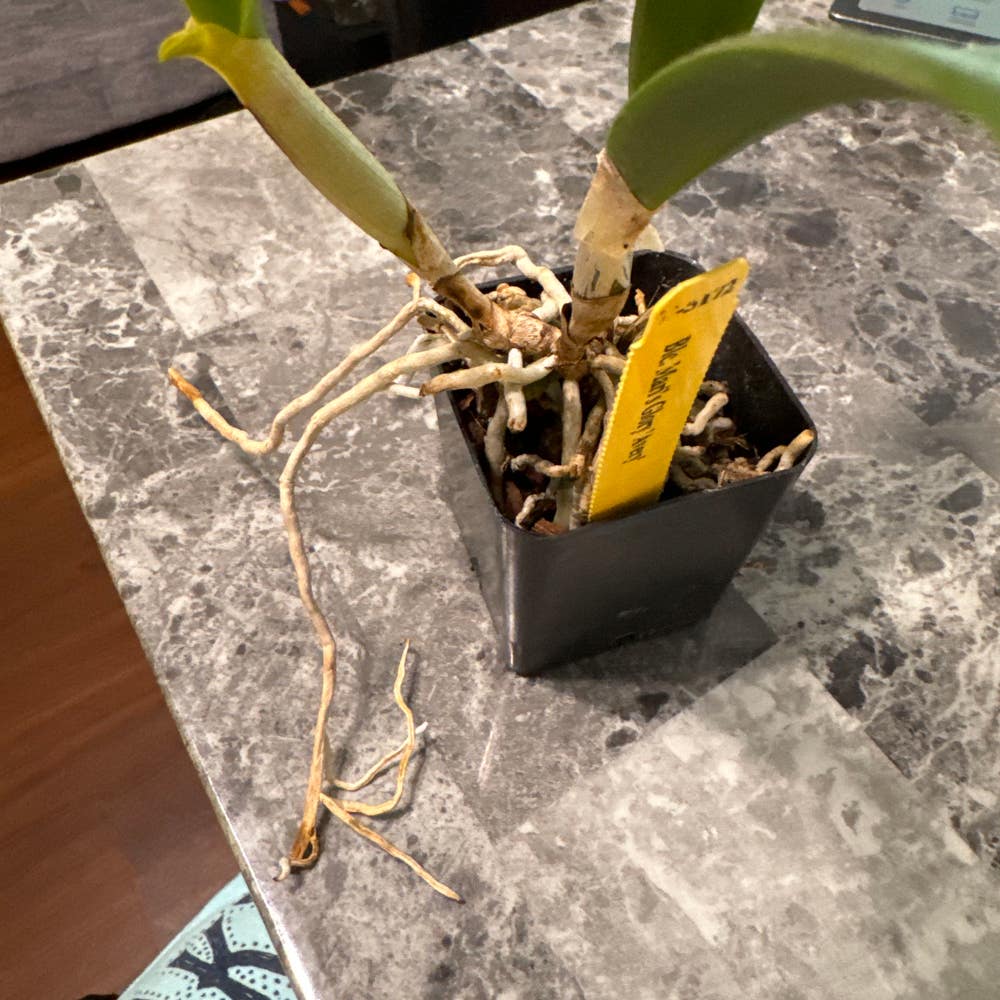
- Trim any dead or damaged roots.
- Place the orchid in the new container and fill with soil mix.
- Water thoroughly after planting.
Container Selection 🪴
Choosing the right container is crucial for your orchid's health. Clay pots are excellent for aeration, while plastic pots retain moisture better.
Consider the size of your pot relative to the plant. A pot that's too small can restrict growth, while one that's too large may lead to overwatering.
Spacing and Arrangement Tips 📏
When planting multiple Miltoniopsis, spacing is key. Aim for at least 6 to 12 inches between plants to ensure they receive adequate light and airflow.
Arrange your plants to maximize light exposure. Position taller varieties behind shorter ones to create a harmonious display that benefits all.
With these planting techniques, your Miltoniopsis will have a solid foundation for thriving growth. Next, let's explore how to care for your orchids through proper watering and fertilizing.
Watering and Fertilizing
Watering Frequency and Techniques 🌊
To keep your Miltoniopsis thriving, aim to water every 5-7 days. This schedule helps maintain moisture without drowning the roots.
For effective watering, consider two main techniques: soaking and misting. Soaking involves immersing the pot in water until the soil is saturated, while misting provides a gentle moisture boost to the leaves.
Best Fertilizers 🌱
Choosing the right fertilizer is crucial for healthy growth. Balanced NPK fertilizers work well, but orchid-specific formulas can provide tailored nutrients.
During the growing season, fertilize monthly to support robust development. This routine ensures your plants receive the nourishment they need to flourish.
Signs of Overwatering or Underwatering 🚨
Recognizing the signs of overwatering is essential. Look for yellowing leaves and root rot, which indicate too much moisture.
On the flip side, underwatering manifests as wilting and dry leaves. Keeping an eye on these symptoms will help you adjust your care routine effectively.
By mastering watering and fertilizing, you set the stage for vibrant, healthy Miltoniopsis. Next, let’s explore ongoing care and maintenance to keep your orchids in top shape.
Ongoing Care and Maintenance
Pruning Techniques ✂️
Pruning is essential for maintaining the health of your Miltoniopsis. Aim to prune after flowering, removing dead or spent flowers to encourage new growth and improve air circulation.
Regularly check for any dead leaves or stems and trim them back. This not only keeps your plant looking tidy but also helps prevent disease.
Seasonal Care Adjustments 🍂
As seasons change, so should your care routine. In winter, reduce watering and ensure your plant is not exposed to cold drafts.
Monitor temperature and humidity closely. Adjusting these factors can make a significant difference in your plant's health and blooming potential.
Pest and Disease Management 🐛
Common pests like aphids and mealybugs can be a nuisance. Regular inspections are crucial; catching these pests early can save your plant from serious damage.
Implement preventive strategies, such as using insecticidal soap or neem oil. Keeping your Miltoniopsis healthy is all about vigilance and timely action.
With these ongoing care tips, your Miltoniopsis will thrive, setting the stage for the next section on common challenges and solutions.
Common Challenges and Solutions
🕵️ Identifying and Solving Common Problems
Growing Miltoniopsis orchids can come with its share of challenges. Two common issues are leaf drop and poor flowering.
Leaf drop often signals stress, which can stem from improper watering or sudden temperature changes. To remedy this, ensure consistent care and avoid drastic environmental shifts.
Poor flowering can be frustrating. This issue may arise from insufficient light or nutrient deficiencies. Adjusting light exposure and ensuring a balanced fertilization schedule can help encourage blooms.
🚫 Tips for Preventing Root Rot
Root rot is a serious concern for orchid enthusiasts. To prevent it, focus on your watering practices and soil selection.
Water only when the top inch of soil feels dry. This prevents excess moisture, which can lead to rot. Additionally, use a well-draining soil mix to promote healthy root systems.
Watch for signs of root rot, such as a foul smell or mushy roots. Catching it early can save your plant.
💡 Addressing Light and Humidity Issues
Light and humidity are crucial for Miltoniopsis health. If your plant isn’t getting enough light, consider supplemental lighting options.
LED grow lights can provide the necessary brightness without overheating your orchids. Position them to mimic natural sunlight for best results.
For humidity, using a humidifier can create a more favorable environment. Alternatively, pebble trays filled with water can help increase moisture levels around your plants.
By addressing these common challenges, you can ensure your Miltoniopsis thrives beautifully. Next, let’s explore ongoing care and maintenance to keep your orchids in top shape.
⚠️ Safety First
This content is for general information and may contain errors, omissions, or outdated details. It is not medical, veterinary advice, or an endorsement of therapeutic claims.
Always consult a qualified healthcare professional before using any plant as food, medicine, or supplement.
Never eat any plant (or feed one to pets) without confirming its identity with at least two trusted sources.
If you suspect poisoning, call Poison Control (800) 222-1222, the Pet Poison Helpline (800) 213-6680, or your local emergency service immediately.
Spotted an error? Please report it here.
Cultivating stunning Miltoniopsis orchids is easier than you think 🌱—let Greg guide you with tailored care reminders and expert tips to help your blooms flourish!