🌸 Best Tips for Miltoniopsis Health
Miltoniopsis spp.
By the Greg Editorial Team
Sep 29, 2024•6 min read
This article was created with the help of AI so we can cover more plants for you. May contain errors. See one? Report it here.
- 🌱 Monitor symptoms like yellowing leaves and wilting for early Miltoniopsis health issues.
- 💧 Understand watering signs: yellow leaves indicate overwatering, while wilting shows underwatering.
- ☀️ Provide bright, indirect light to prevent leggy growth and leaf scorching in Miltoniopsis.
Recognizing Unhealthy Plants
Symptoms of an unhealthy plant 🌱
Keeping an eye on your Miltoniopsis is crucial for its health. Here are some common symptoms to watch for:
Yellowing Leaves 💛
If you notice yellowing leaves, it could signal nutrient deficiencies or overwatering. This is often the plant's way of saying it needs a little more attention.
Wilting or Drooping 😢
Wilting or drooping leaves are usually signs of underwatering or root issues. If your plant looks sad, it might be thirsty or struggling with its roots.
Fuzzy Growth 🦠
Fuzzy growth on your Miltoniopsis can indicate fungal infections or pests. This is a clear warning sign that something is off, and immediate action is needed.
Leaning or Etiolated Growth 🌞
If your plant is leaning or has etiolated growth, it suggests inadequate light or improper care. This means your Miltoniopsis is reaching for more light, and it’s time to adjust its environment.
Recognizing these symptoms early can make a significant difference in your plant's recovery. By addressing these issues promptly, you can help your Miltoniopsis thrive and flourish.
Next, let’s dive into common problems specific to Miltoniopsis and how to tackle them effectively.
Common Problems Specific to Miltoniopsis
💧 Incorrect Watering
Identifying Overwatering and Underwatering
Overwatering is often indicated by yellowing leaves, mushy roots, and a foul smell from the potting medium. In contrast, underwatered plants display wilting leaves, dry potting medium, and shriveled roots.
Causes and Effects
Overwatering typically results from poor drainage or excessive watering frequency. Underwatering, on the other hand, can stem from infrequent watering or dry environmental conditions.
Steps to Resolve the Issue
For Overwatered Plants:
For Underwatered Plants:
- Soak the pot in water for 10-15 minutes.
- Adjust your watering schedule to maintain consistent moisture.
💡 Incorrect Light Conditions
Signs of Inadequate or Excessive Light
Insufficient light manifests as leggy growth, pale leaves, and slow growth. Conversely, excessive light can scorch leaves, leading to brown tips and leaf drop.
Causes and Effects
Inadequate light often results from poor placement away from natural light sources. Excessive light usually comes from direct sunlight exposure or overly bright artificial light.
Solutions for Optimal Light Exposure
Position your Miltoniopsis in bright, indirect light for best results. Using sheer curtains can help diffuse harsh sunlight and protect the plant.
🐛 Pests and Diseases
Common Pests Affecting Miltoniopsis
Watch out for pests like aphids, mealybugs, and spider mites. These can wreak havoc on your plants if not addressed promptly.
Identification and Signs of Infestation
Signs of infestation include sticky residue on leaves, visible insects, and webbing. Early detection is key to effective treatment.
Treatment and Prevention Methods
- Manual Removal: Wipe leaves with a damp cloth to remove pests.
- Insecticidal Soap: Apply as directed on affected areas.
- Regular Inspections: Monitor for early signs of pests to catch issues before they escalate.
Common Diseases
Common diseases include:
- Powdery Mildew: White, powdery spots on leaves.
- Rust: Orange or brown spots on foliage.
- Black Rot: Dark, water-soaked areas on leaves and stems.
- Blight: Sudden wilting and browning of leaves.
Treatment Options for Each Disease
- Powdery Mildew: Increase air circulation and apply fungicides.
- Rust: Remove affected leaves and apply fungicides.
- Black Rot: Cut away infected areas and improve drainage.
- Blight: Remove infected plants and avoid overhead watering.
🌱 Root and Leaf Problems
Identifying Root Rot and Squishy Roots
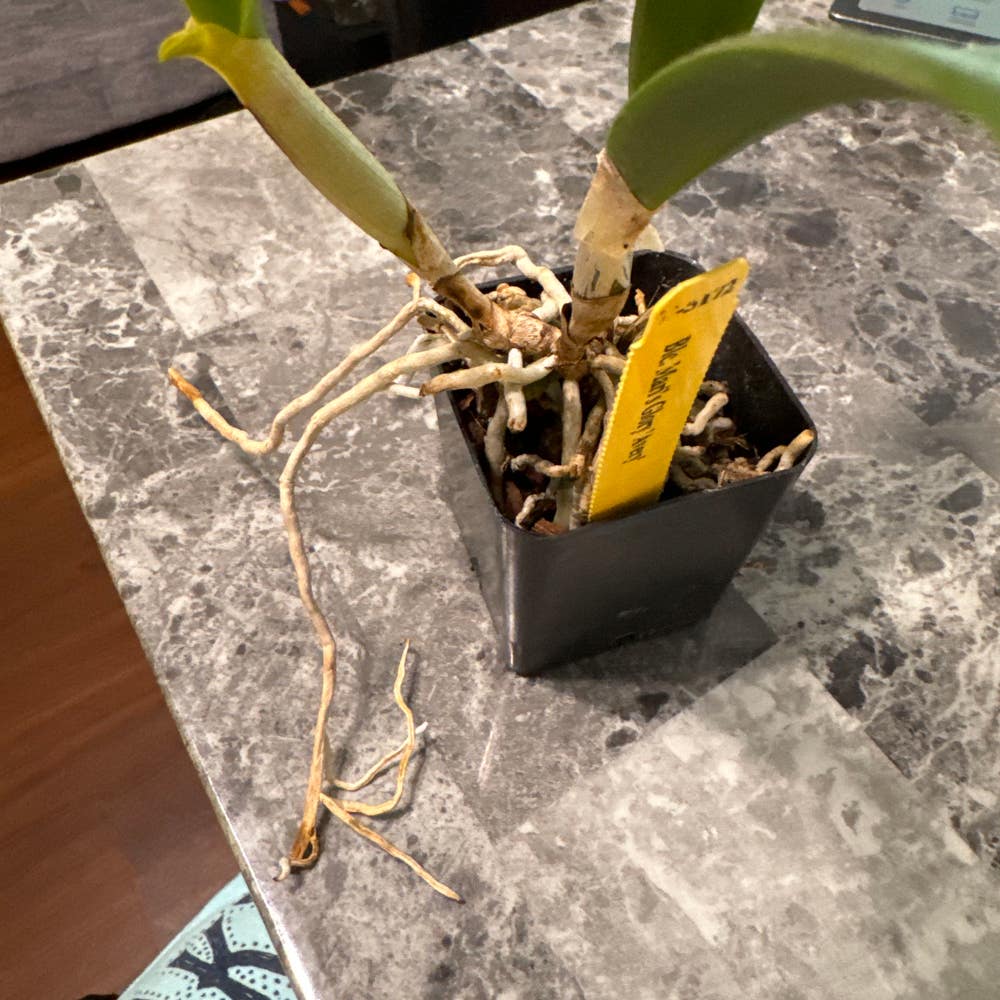
Root rot is characterized by dark, mushy roots with a foul odor. Squishy roots are soft and discolored, indicating overwatering.
Causes and Effects
Poor drainage and overwatering are the primary culprits leading to root rot.
Steps to Revive the Plant
- Remove the plant from its pot.
- Trim away any rotten roots.
- Repot in fresh, well-draining medium.
Symptoms of Leaf Issues
Leaf issues can manifest as:
- Scorching: Brown tips and edges on leaves.
- Yellowing: Indicates nutrient deficiencies or overwatering.
- Fuzzy Growth: Suggests fungal infections.
Solutions for Leaf Health
Adjust light exposure and humidity levels to improve leaf health. Additionally, fertilizing with a balanced orchid fertilizer can provide essential nutrients.
🌿 Growth Problems
Identifying Issues Like Not Growing, Leaning, Leggy, and Etiolated Plants
Plants that are not growing may show stagnant growth despite proper care. Leaning indicates inadequate light or support, while leggy and etiolated plants have long stems with few leaves due to insufficient light.
Causes and Effects
Poor light conditions and improper care are the main causes of growth issues.
Steps to Encourage Healthy Growth
- Adjust light exposure to ensure adequate brightness.
- Provide support for leaning plants.
- Fertilize regularly to promote growth.
Understanding these common problems can significantly enhance your Miltoniopsis care routine. By addressing watering, light, pests, and growth issues, you can cultivate a thriving plant that brings joy to your space. Next, let’s explore preventive measures to keep your Miltoniopsis healthy and vibrant.
Preventive Measures
🌱 Best Practices for Miltoniopsis Care
To keep your Miltoniopsis thriving, consistent watering and humidity levels are essential. Aim for a balance that mimics their natural habitat, ensuring they don’t dry out or become waterlogged.
Proper light exposure and temperature are equally crucial. Position your plants in bright, indirect light to avoid scorching while maintaining a comfortable temperature range.
🔍 Importance of Regular Monitoring
Regular checks for pests and diseases can save your plants from major issues. A quick inspection can help you catch problems early, allowing for prompt action.
🌦️ Seasonal Considerations for Care
As seasons change, so should your care routine. Adjust watering and humidity levels to match the environmental shifts, ensuring your Miltoniopsis remains healthy year-round.
📱 Using Technology for Care
Using the Greg Plant Care App
Consider leveraging technology like the Greg plant care app. This tool allows you to set up personalized care schedules tailored to your plant's needs.
You’ll also receive alerts for potential issues and care tasks, making it easier to stay on top of your plant's health. Embracing these modern solutions can enhance your gardening experience and keep your Miltoniopsis flourishing.
By implementing these preventive measures, you can foster a thriving environment for your Miltoniopsis. Next, let’s dive into the common problems specific to these beautiful orchids and how to tackle them effectively.
⚠️ Safety First
This content is for general information and may contain errors, omissions, or outdated details. It is not medical, veterinary advice, or an endorsement of therapeutic claims.
Always consult a qualified healthcare professional before using any plant as food, medicine, or supplement.
Never eat any plant (or feed one to pets) without confirming its identity with at least two trusted sources.
If you suspect poisoning, call Poison Control (800) 222-1222, the Pet Poison Helpline (800) 213-6680, or your local emergency service immediately.
Spotted an error? Please report it here.
Keep your Miltoniopsis thriving and blooming beautifully 🌸 by using Greg's tailored reminders and expert tips to meet its unique care needs!