🌸 How to Fix Your Miltoniopsis Wilting
Miltoniopsis spp.
By the Greg Editorial Team
Sep 29, 2024•5 min read
This article was created with the help of AI so we can cover more plants for you. May contain errors. See one? Report it here.
- 💧 Wilting in Miltoniopsis stems from water stress, heat, or disease issues.
- 🌡️ Heat stress causes limp leaves; relocate to cooler spots for relief.
- 🌱 Consistent moisture is key; monitor soil to prevent overwatering or underwatering.
Common Causes of Wilting Leaves
💧 Water Stress
Wilting in Miltoniopsis often stems from water stress, which can manifest in two ways: overwatering and underwatering.
- Overwatering leads to yellowing leaves and mushy roots, signaling that the plant is drowning.
- Underwatering results in dry, shriveled leaves and a lack of turgor, indicating that the plant is parched.
Maintaining consistent moisture levels is crucial for the health of your Miltoniopsis.
🔥 Heat Stress
Heat stress is another common culprit behind wilting leaves.
- Symptoms include limp and droopy leaves, especially during high temperatures.
- This stress often arises from exposure to direct sunlight or elevated ambient temperatures.
Temperature fluctuations can exacerbate wilting, making it essential to monitor your plant's environment closely.
🦠 Disease-Related Wilting
Disease-related wilting can also occur, though it's less common.
- Look for signs like dark spots, mold, or unusual leaf discoloration, which may indicate a problem.
- However, it's important to note that pathogenic wilt is not typically a frequent cause of wilting in Miltoniopsis.
Understanding these causes can help you take proactive steps to keep your plant healthy and thriving.
Diagnosing Wilting in Miltoniopsis
Step-by-Step Guide to Identify the Cause 🌱
Assess Watering Habits: Start by checking the soil moisture levels. This will help you determine if your plant is suffering from overwatering or underwatering.
Evaluate Environmental Conditions: Measure the temperature and humidity around your Miltoniopsis. These factors significantly influence its health.
Inspect Leaves: Look closely for any signs of pests or disease. Dark spots or unusual discoloration can indicate underlying issues.
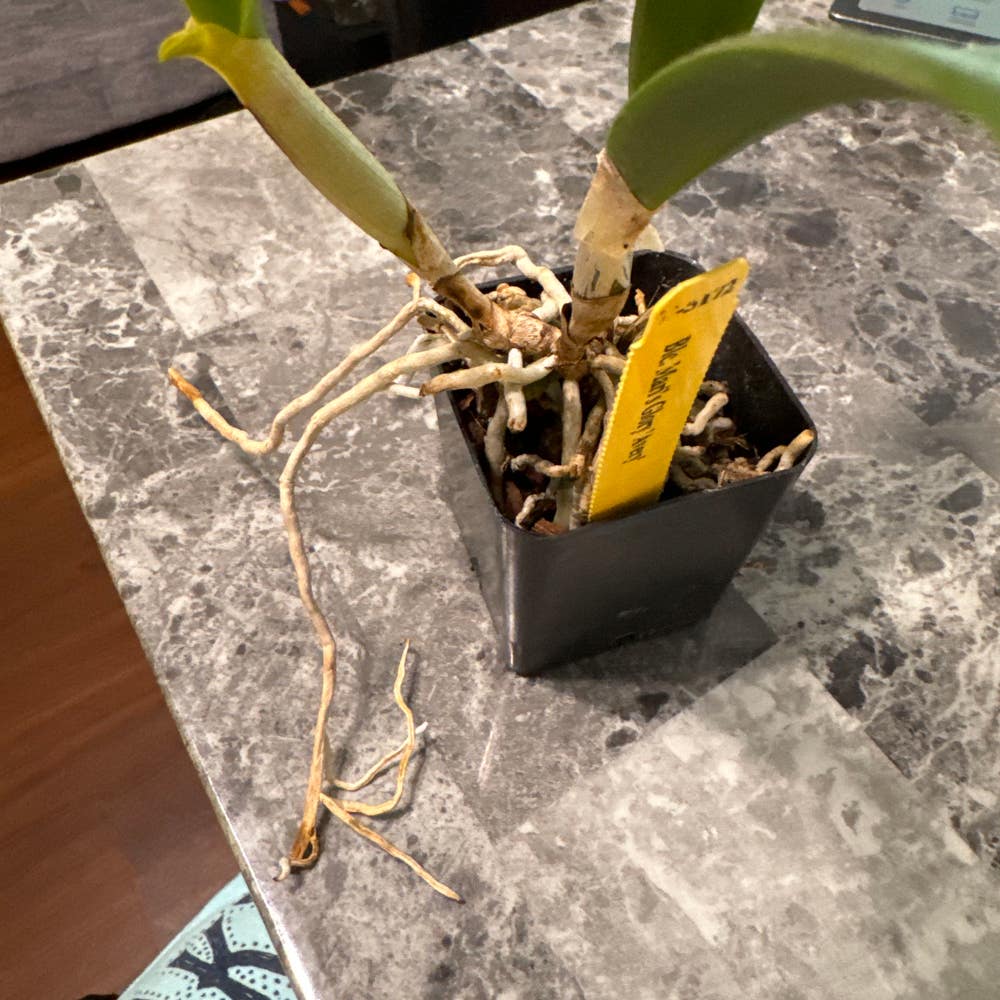
Check Root Health: Carefully remove the plant from its pot to inspect the roots. Look for signs of rot or damage, which can be critical to the plant's recovery.
Signs to Look For in Wilting Leaves 👀
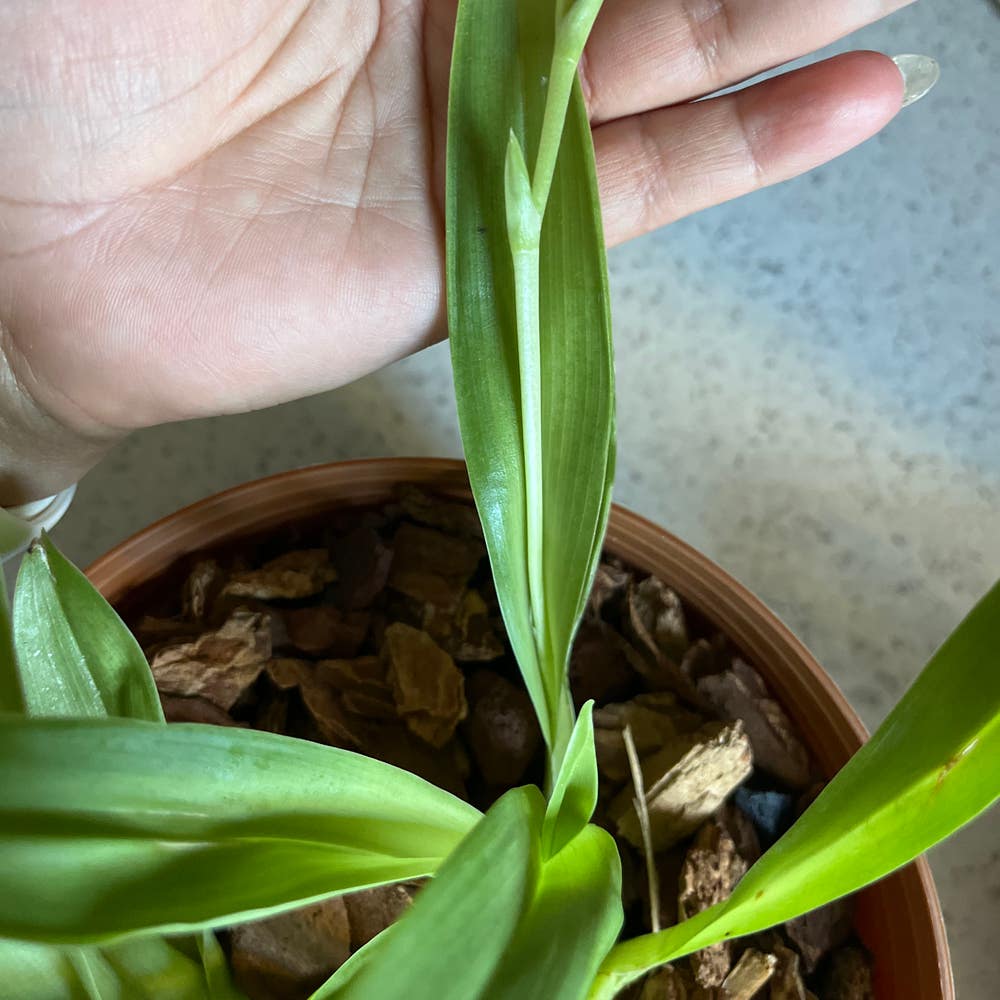
Leaf Texture: Feel the leaves. Softness may indicate excess moisture, while crispness suggests a lack of water.
Color Changes: Watch for yellowing or browning leaves. These color changes are clear indicators of stress.
Growth Patterns: Observe the growth. Stunted growth or abnormal leaf development can signal that something is off.
By following these steps, you can effectively diagnose the cause of wilting in your Miltoniopsis. Understanding these signs will empower you to take action and restore your plant's health.
Next, let's explore practical solutions to revive your wilting Miltoniopsis.
Solutions for Wilting Leaves
🌊 Addressing Water Stress
Water stress is a common culprit behind wilting leaves in Miltoniopsis.
For overwatering, allow the plant to dry out completely, improve drainage, and adjust your watering schedule to prevent recurrence.
On the flip side, if underwatering is the issue, increase your watering frequency and ensure the soil maintains consistent moisture.
🔥 Addressing Heat Stress
Heat stress can also lead to wilting, especially during hot spells.
Relocate your Miltoniopsis to a cooler area with indirect sunlight to help it recover.
Additionally, consider using humidity trays or misting the plant to boost moisture levels around it.
🦠 Addressing Disease-Related Wilting
If wilting persists, it may be due to disease.
Identify any fungal or bacterial infections and treat them with appropriate fungicides or bactericides.
Don’t forget to remove any affected leaves to prevent the spread of disease.
🌱 Techniques for Reviving a Wilted Miltoniopsis
Reviving a wilted Miltoniopsis requires a few practical techniques.
Start with bottom watering: place the pot in water for about 30 minutes, allowing the roots to absorb moisture effectively.
You might also want to temporarily relocate the plant to an environment with stable humidity and temperature for optimal recovery.
Lastly, prune any damaged leaves using clean, sharp scissors to encourage new growth and improve the plant's overall appearance.
By addressing these issues promptly, you can help your Miltoniopsis bounce back and thrive.
Next, let’s explore preventive measures to minimize the risk of wilting in the future.
Preventive Measures
Best Practices to Minimize Wilting Risk 🌱
To keep your Miltoniopsis thriving, regularly monitor soil moisture. Adjust your watering techniques based on the plant's needs to prevent both overwatering and underwatering.
Maintaining stable environmental conditions is crucial. Aim for a temperature range of 18°C to 24°C (65°F to 75°F) and ensure humidity levels stay above 50% for optimal growth.
Environmental Conditions for Healthy Growth ☀️
Provide filtered light instead of direct sunlight. This simple adjustment can significantly reduce the risk of heat stress on your plant.
Using a well-draining potting mix designed for orchids is essential. This helps prevent root rot, ensuring your Miltoniopsis has the best chance to flourish.
By implementing these preventive measures, you can create a nurturing environment for your Miltoniopsis. This proactive approach not only minimizes the risk of wilting but also enhances the overall health of your plant.
As you continue caring for your Miltoniopsis, remember that consistent attention to these details will lead to a vibrant and resilient plant.
Seeking Further Assistance
🌱 When to Consult a Local Nursery or Plant Expert
If your Miltoniopsis continues to wilt despite your best care efforts, it may be time to seek professional help. Persistent wilting can indicate underlying issues that require expert diagnosis.
Unidentified pests or diseases can wreak havoc on your plant. A local nursery can provide insights and solutions tailored to your specific situation.
💬 Engaging with the Online Plant Care Community
Don’t underestimate the power of community! Platforms like Greg offer valuable advice and reminders for watering and care schedules.
Sharing your experiences with fellow Miltoniopsis owners can lead to troubleshooting tips and support. Engaging with others who share your passion can make a world of difference in your plant care journey.
With the right resources and community support, you can turn your wilting woes into thriving success!
⚠️ Safety First
This content is for general information and may contain errors, omissions, or outdated details. It is not medical, veterinary advice, or an endorsement of therapeutic claims.
Always consult a qualified healthcare professional before using any plant as food, medicine, or supplement.
Never eat any plant (or feed one to pets) without confirming its identity with at least two trusted sources.
If you suspect poisoning, call Poison Control (800) 222-1222, the Pet Poison Helpline (800) 213-6680, or your local emergency service immediately.
Spotted an error? Please report it here.
Revive your wilting Miltoniopsis and watch it flourish 🌱 with Greg's tailored watering reminders and expert community support to keep your orchid thriving!