Best Size and Type of Pot for Miltoniopsis 🌸
Miltoniopsis spp.
By the Greg Editorial Team
Sep 29, 2024•6 min read
This article was created with the help of AI so we can cover more plants for you. May contain errors. See one? Report it here.
- 🌱 Right pot size is crucial for healthy Miltoniopsis growth; choose wisely!
- 🏺 Small pots (2-4 inches) support seedlings; transition to larger pots as they grow.
- 💧 Drainage holes are essential to prevent root rot; monitor moisture levels carefully.
Importance of Pot Size
Ideal Sizes for Growth Stages 🌱
Choosing the right pot size is crucial for the healthy growth of Miltoniopsis orchids.
- Seedling Stage: Use small pots, ideally 2-4 inches in diameter, to support young roots.
- Juvenile Stage: Transition to medium pots (4-6 inches) as the plant grows and requires more space.
- Mature Stage: For fully grown plants, larger pots (6-8 inches) provide ample room for root expansion.
Effects on Root Health 🧑🌾
Pot size directly impacts root health and overall plant vitality.
Roots need space to grow; cramped conditions can stunt development.
Overpotting can lead to excess moisture retention, while underpotting may restrict growth and nutrient uptake.
To maintain optimal health, regularly monitor your plant's growth and adjust pot size accordingly.
This proactive approach ensures your Miltoniopsis thrives in its environment.
Understanding these dynamics will help you create the best conditions for your orchids.
Next, we’ll explore the various pot materials and their effects on your plants.
Pot Materials
Comparison of Clay vs. Plastic 🌱
When choosing pots for your Miltoniopsis, consider the material carefully. Clay pots are known for their breathability and excellent moisture regulation, making them a favorite for many orchid enthusiasts.
However, they can be heavy and may dry out quickly, requiring more frequent watering. On the other hand, plastic pots are lightweight and retain moisture longer, which can be beneficial for busy plant parents.
Yet, they lack breathability, increasing the risk of root rot if not monitored closely. Each material has its pros and cons, so weigh them based on your specific growing conditions.
Benefits of Breathable Materials 🌬️
Air circulation is crucial for root health, especially for orchids like Miltoniopsis. Using breathable materials, such as terracotta or specialized orchid pots, promotes better airflow to the roots.
This enhanced circulation helps prevent issues like root rot and encourages robust growth. Opting for breathable pots can make a significant difference in your plant's overall health.
Impact on Moisture Retention 💧
Different pot materials significantly affect how often you need to water your Miltoniopsis. Clay pots tend to dry out faster, requiring more frequent watering, while plastic pots can hold moisture longer.
To adjust your watering practices, monitor the moisture levels in your potting mix. If you notice the soil drying out too quickly, consider switching to a pot that retains moisture better.
Understanding these nuances will help you create the ideal environment for your orchids, ensuring they thrive beautifully.
With the right pot material chosen, you can now focus on drainage considerations, which are equally vital for your plant's health.
Drainage Considerations
Importance of Drainage Holes 🌧️
Drainage holes are essential for preventing overwatering in your Miltoniopsis. They allow excess water to escape, ensuring that the roots don’t sit in soggy soil, which can lead to root rot.
For optimal drainage, aim for holes that are about 1/4 inch in diameter. Place them evenly around the bottom of the pot to facilitate proper water flow.
Effects on Root Health 🥴
Poor drainage can have serious consequences for root health. When water accumulates, it creates a breeding ground for root rot and other issues that can jeopardize your plant's vitality.
Signs of inadequate drainage include yellowing leaves and stunted growth. If you notice these symptoms, it’s time to reassess your potting setup.
Recommended Pot Designs 🪴
Choosing pots with built-in drainage features can simplify your care routine. Look for designs that incorporate multiple drainage holes or raised bottoms to enhance airflow.
If you’re feeling crafty, consider DIY drainage solutions. Adding a layer of gravel or using pots with mesh liners can improve drainage and keep your roots happy.
Transitioning to the next section, let’s explore the signs that indicate when it’s time to repot your Miltoniopsis.
Repotting Guidelines
Signs That Repotting is Needed 🌱
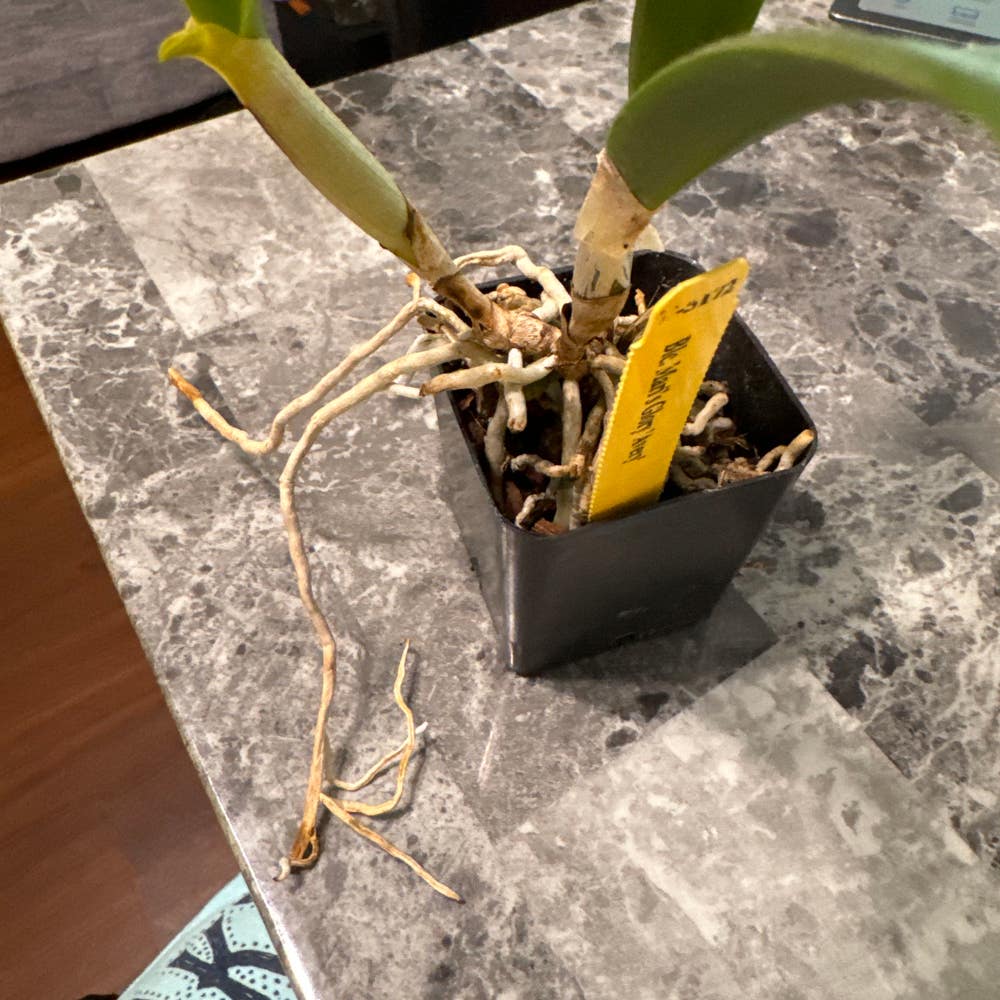
Recognizing when to repot your Miltoniopsis is crucial for its health. Look for root-bound indicators, such as roots growing out of the drainage holes, signaling that your plant needs more space.
Another sign is soil degradation. If the potting mix appears compacted or discolored, it’s time to consider repotting to refresh the growing environment.
Best Practices for Repotting 🛠️
Timing is everything when it comes to repotting. The best time to make the switch is right after blooming, allowing your plant to recover and thrive.
Before you start, gather your tools. Clean, sharp tools minimize damage during the process.
Follow these steps for a smooth repotting experience:
- Gently remove the plant from its current pot.
- Inspect the roots and trim any that are damaged or overly long.
- Place the plant in a new pot with an appropriate potting mix, ensuring it has room to grow.
Choosing the Right Pot 🪴
When selecting a new pot, consider several factors. Size is key; it should accommodate your plant's growth without being excessively large.
Material also matters. Choose pots that provide good drainage and air circulation.
Lastly, think about drainage features. Pots with built-in drainage holes are ideal, but if you’re using a pot without them, consider DIY solutions to ensure proper water flow.
With these guidelines, your Miltoniopsis will thrive in its new home, setting the stage for vibrant growth and blooming. Next, let’s explore common potting mistakes to avoid for optimal plant health.
Common Potting Mistakes
🚫 Common Mistakes
When potting Miltoniopsis, two common pitfalls are overpotting and underpotting.
Overpotting can lead to stagnant growth and root rot, as excess soil retains too much moisture. Signs to watch for include yellowing leaves and a lack of new growth.
Underpotting, on the other hand, restricts root development and can stunt the plant's overall health. If roots are growing out of the drainage holes, it’s a clear indicator that your plant needs more space.
✅ Avoiding Mistakes
To select the right pot size, consider the growth stage of your Miltoniopsis.
A good rule of thumb is to choose a pot that allows for about an inch of space around the root ball. This ensures adequate room for growth without overwhelming the plant.
Regularly assess your plant's growth and adjust potting practices accordingly. If you notice signs of stress or stunted growth, it may be time to reevaluate your pot choice.
By staying attentive to these details, you can help your Miltoniopsis thrive and flourish. Next, let’s explore the essential guidelines for repotting your plant effectively.
⚠️ Safety First
This content is for general information and may contain errors, omissions, or outdated details. It is not medical, veterinary advice, or an endorsement of therapeutic claims.
Always consult a qualified healthcare professional before using any plant as food, medicine, or supplement.
Never eat any plant (or feed one to pets) without confirming its identity with at least two trusted sources.
If you suspect poisoning, call Poison Control (800) 222-1222, the Pet Poison Helpline (800) 213-6680, or your local emergency service immediately.
Spotted an error? Please report it here.
Maximize your Miltoniopsis health by choosing the perfect pot size and type, and let Greg guide you with tailored watering alerts and potting tips for thriving blooms! 🌸 Flourish with confidence!