🌸 Why the Leaves on Your Miltoniopsis Are Turning Yellow
Miltoniopsis spp.
By the Greg Editorial Team
Sep 29, 2024•5 min read
This article was created with the help of AI so we can cover more plants for you. May contain errors. See one? Report it here.
- 💧 Yellow leaves indicate watering issues; adjust for overwatering or underwatering.
- 🌱 Nutrient deficiencies like nitrogen and magnesium cause yellowing; fertilize regularly.
- ☀️ Light exposure matters; ensure bright, indirect light for healthy Miltoniopsis.
Causes of Yellowing Leaves
💧 Overwatering and Root Rot
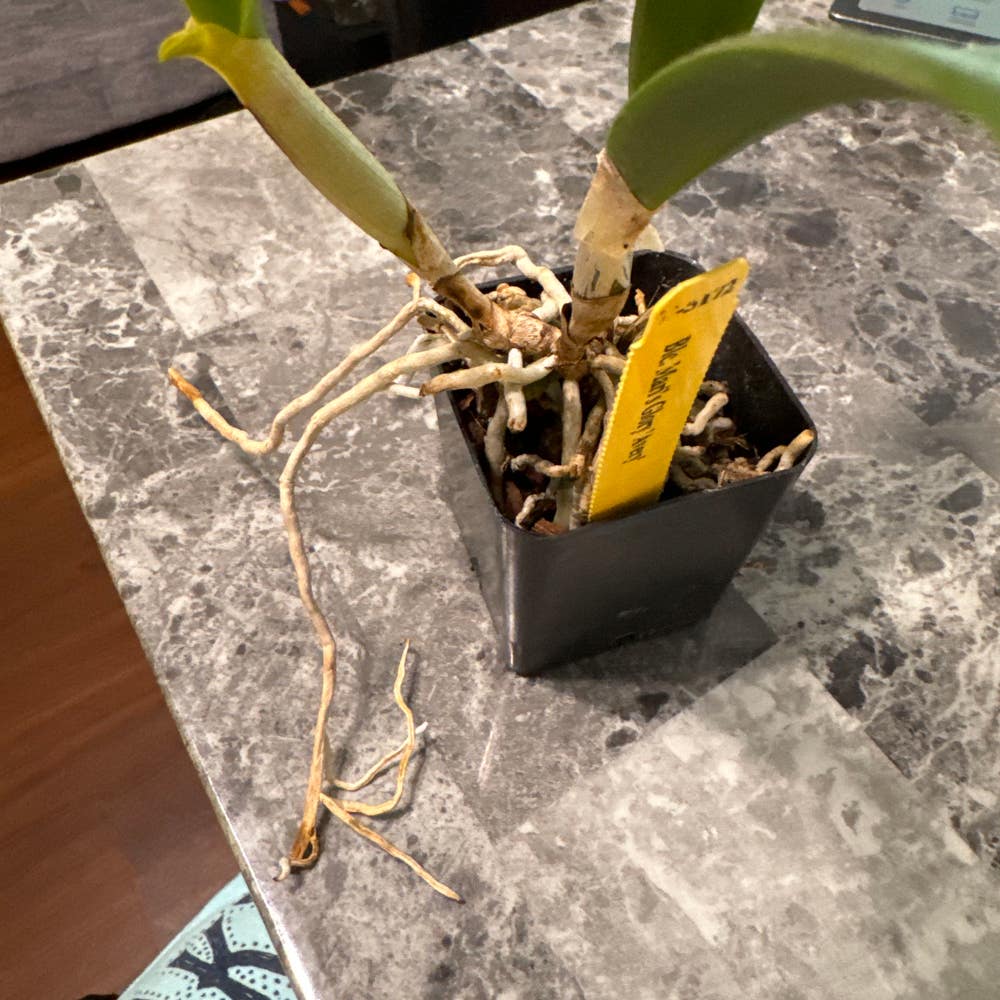
Overwatering is a common culprit behind yellowing leaves. Symptoms include leaves that turn yellow and soften, along with roots that appear brown and mushy.
The primary causes of overwatering are poor drainage in the potting mix and an inconsistent watering schedule. To prevent this, use a well-draining orchid mix and allow the top inch of soil to dry out between waterings.
🌵 Underwatering and Drought Stress
Underwatering can also lead to yellowing leaves, often accompanied by wrinkling and dry, crispy edges. This typically results from infrequent watering or dry air conditions.
To combat underwatering, establish a consistent watering schedule and increase humidity around the plant. This simple adjustment can make a significant difference.
🥦 Nutrient Deficiencies
Nitrogen Deficiency
Nitrogen deficiency manifests as older leaves yellowing first, while new growth remains vibrant. This often occurs due to infrequent fertilization or poor soil quality.
To prevent nitrogen deficiency, use a balanced orchid fertilizer every 4-6 weeks during the growing season. Regular feeding keeps your plant healthy and thriving.
Magnesium Deficiency
Magnesium deficiency shows up as yellowing between leaf veins, creating a mottled appearance. This issue arises from a lack of magnesium in the potting mix.
To address this, supplement with Epsom salt (magnesium sulfate) as needed. A little boost can restore your plant's vitality.
☀️ Light Exposure Issues
Too Much Light
Excessive light can cause leaves to turn yellow and develop brown spots. This typically results from direct sunlight exposure.
To prevent damage, provide bright, indirect light and consider using sheer curtains to diffuse harsh rays. Your Miltoniopsis will thank you for it.
Too Little Light
Conversely, too little light leads to yellowing leaves that stretch toward the light source. Insufficient light conditions can stunt growth.
To remedy this, move the plant to a brighter location or use grow lights. Ensuring adequate light is crucial for healthy foliage.
🌡️ Temperature Fluctuations and Stress
Temperature fluctuations can also stress your Miltoniopsis, resulting in yellowing and dropping leaves. Sudden changes in temperature or drafts are often to blame.
To maintain stability, keep your plant in a temperature range of 18°C to 24°C (65°F to 75°F). Consistency is key to preventing stress-related issues.
Understanding these causes is the first step in nurturing your Miltoniopsis back to health. Next, we’ll explore how to diagnose yellow leaves effectively.
Diagnosing Yellow Leaves
🧪 Identifying Symptoms of Overwatering
When your Miltoniopsis shows signs of overwatering, the leaves may become soft and mushy. Additionally, if you inspect the roots, you might find them brown and rotting, indicating a serious issue.
💧 Recognizing Signs of Underwatering
Underwatering manifests as wrinkled leaves with dry edges. You may also notice the soil pulling away from the pot, a clear sign that your plant is thirsty.
🌞 Assessing Light Conditions
Light exposure is crucial for healthy growth. Use a light meter to measure intensity and observe the orientation and color of the leaves; yellowing can indicate insufficient light.
🐛 Checking for Pests and Diseases
Inspect both leaves and roots for visible pests like aphids or mealybugs. Look for signs of fungal infections, which can also contribute to yellowing leaves.
🥦 Evaluating Nutrient Levels in the Soil
Soil testing is essential for understanding nutrient levels. A soil test kit can help you check for deficiencies, while observing growth patterns can provide additional clues about your plant's health.
By carefully diagnosing these issues, you can take informed steps to restore your Miltoniopsis to its vibrant self. Next, let’s explore effective solutions for yellow leaves.
Solutions for Yellow Leaves
🌊 Adjusting Watering Practices
To revive your Miltoniopsis, start by checking the soil moisture before watering.
- Water thoroughly, ensuring excess drains out.
- Adjust your watering frequency according to seasonal changes.
🌱 Fertilizing Appropriately
Proper fertilization is key to vibrant leaves.
- Use a balanced orchid fertilizer.
- Stick to a schedule of every 4-6 weeks during the growing season.
☀️ Modifying Light Exposure
Light conditions can make or break your plant's health.
- Relocate your Miltoniopsis to a spot with bright, indirect light.
- Consider using sheer curtains to soften direct sunlight.
🐛 Treating Pests and Diseases
Pests and diseases can contribute to yellowing leaves.
- Apply insecticidal soap to tackle pests effectively.
- Use fungicides to combat any fungal infections.
🌡️ Implementing Temperature Control Measures
Stable temperatures are crucial for your orchid's well-being.
- Use a thermometer to keep an eye on conditions.
- Avoid placing your plant near drafts or heat sources.
By following these solutions, you can help your Miltoniopsis thrive and restore its lush green leaves. Next, let’s explore some preventative measures to keep your plant healthy in the long run.
Preventative Measures
Best Practices for Care 🌱
To keep your Miltoniopsis thriving, establish regular watering and fertilization schedules. Consistency is key; it helps prevent both overwatering and nutrient deficiencies.
Using the right potting mix is equally important. A well-draining orchid mix allows for proper moisture retention without risking root rot.
Regular Monitoring of Environmental Conditions 🌡️
Keep an eye on humidity and temperature levels. Regular checks help you adjust care based on seasonal changes, ensuring your plant remains healthy year-round.
Soil and Potting Mix Recommendations 🪴
Opt for a well-draining orchid mix to support root health. Additionally, repot your Miltoniopsis every 1-2 years to refresh the soil and provide new nutrients.
Seasonal Care Adjustments 🍂
As the seasons change, so should your care routine. Modify watering and fertilization based on growth cycles, and remember to increase humidity during dry winter months.
By implementing these preventative measures, you can significantly reduce the chances of yellowing leaves and keep your Miltoniopsis vibrant and healthy. Next, let’s explore solutions for yellow leaves when they do appear.
⚠️ Safety First
This content is for general information and may contain errors, omissions, or outdated details. It is not medical, veterinary advice, or an endorsement of therapeutic claims.
Always consult a qualified healthcare professional before using any plant as food, medicine, or supplement.
Never eat any plant (or feed one to pets) without confirming its identity with at least two trusted sources.
If you suspect poisoning, call Poison Control (800) 222-1222, the Pet Poison Helpline (800) 213-6680, or your local emergency service immediately.
Spotted an error? Please report it here.
Keep your Miltoniopsis vibrant and healthy 🌿 by using Greg's tailored reminders for watering and fertilization, ensuring those yellow leaves stay away!