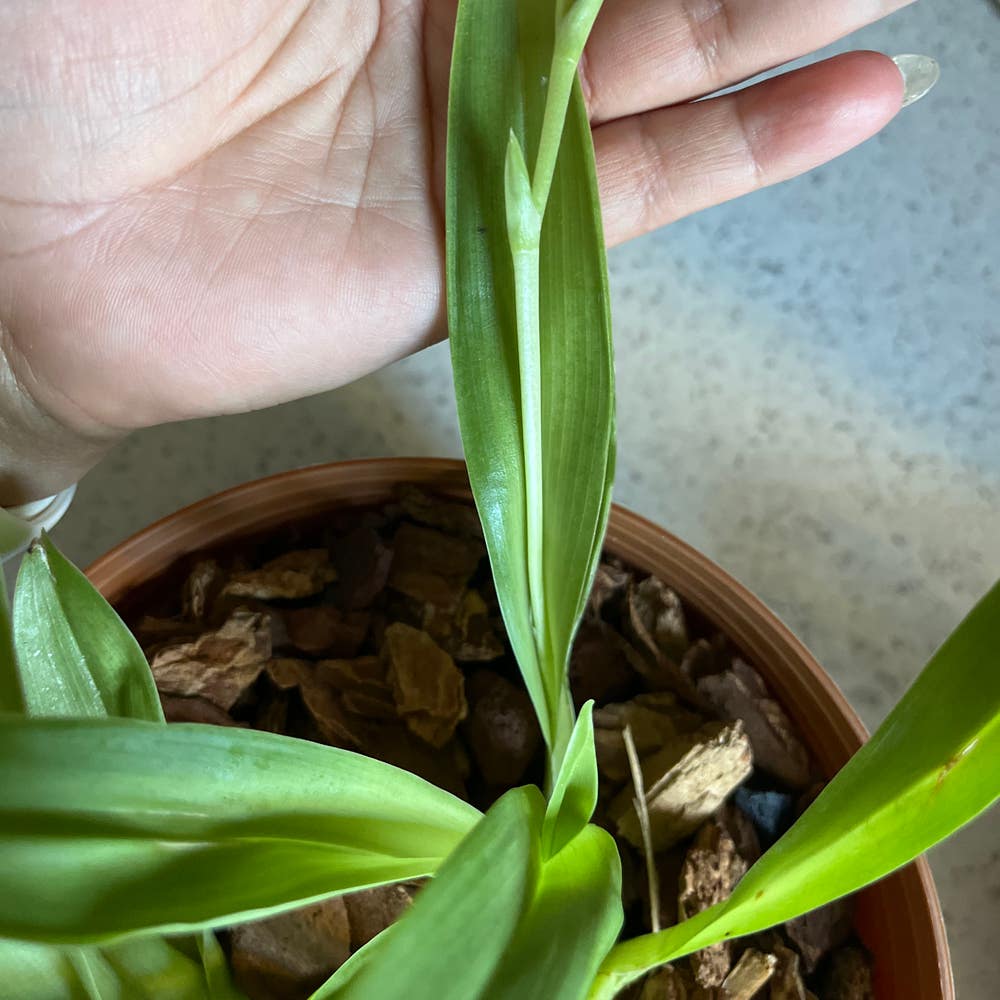
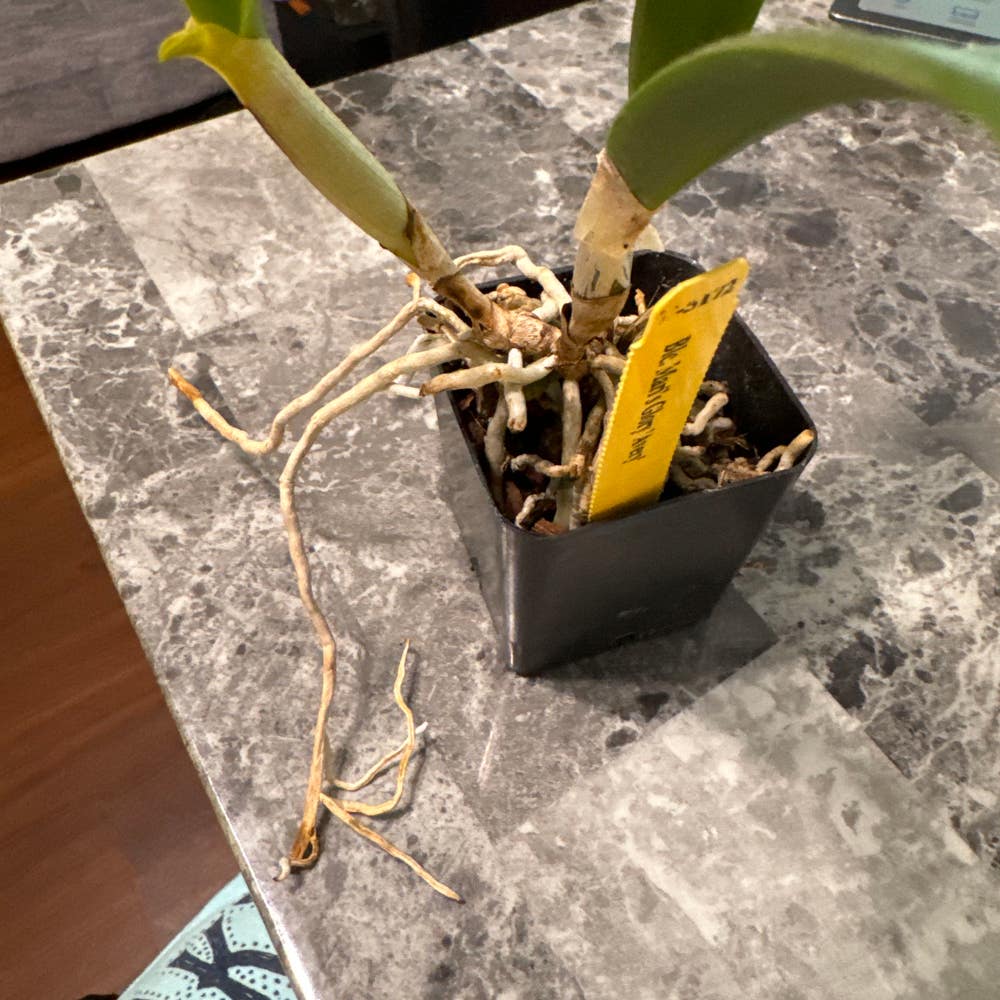
Ultimate Guide to Fixing Leaves Falling Over on Miltoniopsis 🌸
Miltoniopsis spp.
By the Greg Editorial Team
Sep 29, 2024•5 min read
This article was created with the help of AI so we can cover more plants for you. May contain errors. See one? Report it here.
- 💧 Overwatering and underwatering cause drooping leaves; balance is key for Miltoniopsis.
- 🌡️ Maintain 18°C to 24°C and humidity levels of 50% to 70% for optimal health.
- 🌞 Bright, indirect light prevents leaf stretching and promotes vibrant growth.
Causes of Leaves Falling Over
Understanding why your Miltoniopsis leaves are falling over is crucial for their recovery. Let's dive into the main culprits.
💧 Overwatering
Overwatering is one of the most common issues. Excess moisture can lead to root rot, which weakens the plant and causes leaves to droop.
🚰 Underwatering
On the flip side, underwatering can also be a problem. Insufficient moisture leads to dehydration, making leaves limp and lifeless.
🌬️ Environmental Stress
Sudden temperature changes or drafts can stress your plant. Miltoniopsis thrives in stable conditions, so fluctuations can cause leaves to fall over.
🥦 Nutrient Deficiencies
A lack of essential nutrients can affect leaf strength. If your plant isn't getting what it needs, it may struggle to maintain healthy foliage.
By identifying these causes, you can take the necessary steps to restore your Miltoniopsis to its vibrant self. Next, we'll explore how to diagnose the problem effectively.
Diagnosing the Problem
Assessing Environmental Conditions 🌡️
To keep your Miltoniopsis thriving, start by checking the temperature. The ideal range is between 18°C to 24°C (65°F to 75°F), ensuring your plant feels comfortable.
Humidity is another crucial factor. Aim for levels between 50% to 70% to create a cozy environment.
Don't overlook air circulation; gentle airflow helps prevent mold and mildew, keeping your plant healthy.
Identifying Watering Issues 💧
Watering can make or break your plant's health. Signs of overwatering include a soggy potting medium and a foul odor from the roots.
On the flip side, underwatering shows up as a dry potting medium and shriveled leaves.
For optimal care, water every 5-7 days, adjusting based on your plant's specific needs and environmental conditions.
Evaluating Light Exposure 💡
Light is vital for your Miltoniopsis. It thrives in bright, indirect light, while direct sunlight can scorch its delicate leaves.
If you notice stretched growth or pale leaves, your plant may not be getting enough light.
Aim for light levels between 1000-2000 foot-candles for the best growth results.
By carefully assessing these factors, you can pinpoint the issues affecting your plant and take steps toward revitalizing it. Next, let’s explore effective solutions for leaf droop.
Solutions for Leaf Droop
🌊 Adjusting Watering Practices (difficulty: easy)
Proper watering is crucial for keeping your Miltoniopsis healthy. Start by checking the potting medium moisture with a simple finger test—stick your finger in about 1-2 inches deep.
Next, water thoroughly until you see excess draining from the bottom. This ensures the roots get enough moisture. After watering, allow the potting medium to dry slightly before the next round. This balance prevents both overwatering and underwatering.
💧 Modifying Humidity Levels (difficulty: moderate)
Humidity plays a significant role in the health of your plant. To increase humidity, consider using a humidity tray filled with water and pebbles beneath the pot.
Misting the leaves regularly can also help, especially during dry seasons. If your environment is particularly arid, a humidifier in the growing area can make a world of difference.
☀️ Correcting Light Conditions (difficulty: easy)
Light exposure is another key factor in preventing leaf droop. If you notice your Miltoniopsis leaves stretching, it might be time to move the plant to a brighter location.
Using sheer curtains can diffuse harsh direct sunlight, protecting the leaves from scorching. Additionally, rotating the plant weekly ensures even light distribution, promoting balanced growth.
These adjustments can significantly improve your plant's health, setting the stage for vibrant blooms. Next, let’s explore when and how to repot your Miltoniopsis for optimal growth.
Repotting and Maintenance
🌱 When to Repot Miltoniopsis
Repotting your Miltoniopsis is essential for its health and growth. Look for signs that indicate it's time to repot:
- Roots growing out of the pot: If you see roots emerging from the drainage holes, it's a clear signal that your plant needs more space.
- Potting medium breaking down: A compacted or degraded medium can hinder water and nutrient absorption, affecting your plant's vitality.
- Leaf droop persisting: If you've adjusted care but the leaves still droop, repotting may be necessary to refresh the environment.
🛠️ How to Repot Without Damaging Roots
Repotting can be daunting, but with the right steps, you can do it safely. Follow this simple guide:
- Prepare a new pot: Choose a pot that’s slightly larger and fill it with fresh orchid mix.
- Gently remove the plant: Carefully take the Miltoniopsis out of its current pot, ensuring you don’t damage the roots.
- Trim dead or rotting roots: Use sterilized scissors to cut away any unhealthy roots, promoting better growth.
- Place the plant in the new pot: Spread the roots out gently to encourage healthy growth.
- Fill with potting medium: Add the fresh medium around the roots, pressing lightly to secure the plant in place.
Repotting not only gives your Miltoniopsis a fresh start but also enhances its overall health. With proper care, your plant can thrive and bring beauty to your space.
Next, let's explore how to maintain optimal conditions for your Miltoniopsis to flourish.
⚠️ Safety First
This content is for general information and may contain errors, omissions, or outdated details. It is not medical, veterinary advice, or an endorsement of therapeutic claims.
Always consult a qualified healthcare professional before using any plant as food, medicine, or supplement.
Never eat any plant (or feed one to pets) without confirming its identity with at least two trusted sources.
If you suspect poisoning, call Poison Control (800) 222-1222, the Pet Poison Helpline (800) 213-6680, or your local emergency service immediately.
Spotted an error? Please report it here.
Keep your Miltoniopsis thriving 🌼 by using Greg's tailored reminders for optimal watering and humidity, ensuring your plant gets the care it needs to bloom beautifully!