🌸 Key Milestones in Miltoniopsis Growth
Miltoniopsis spp.
By the Greg Editorial Team
Sep 29, 2024•5 min read
This article was created with the help of AI so we can cover more plants for you. May contain errors. See one? Report it here.
- 🌱 Germination takes 2-4 weeks; ideal conditions include 20-25°C and 60-80% humidity.
- 🌞 Indirect light prevents scorching during germination; use sterile, well-draining mediums.
- 🌸 Full growth cycle lasts 2-3 years, with careful monitoring for optimal health.
Germination Stage
🌱 Duration of Germination
Germination is a crucial first step in growing Miltoniopsis orchids. Under optimal conditions, expect this stage to last about 2-4 weeks.
🌟 Conditions for Successful Germination
To ensure successful germination, pay attention to the following conditions:
Temperature
Maintain a temperature range of 20°C to 25°C (68°F to 77°F). This warmth encourages seed activation.
Humidity
High humidity levels between 60-80% are essential. This moisture helps seeds absorb water and swell.
Light
Provide indirect light to prevent overheating. Direct sunlight can scorch delicate seeds.
Medium
Use a well-draining, sterile medium like sphagnum moss or an orchid mix. This prevents rot and supports healthy growth.
By carefully managing these factors, you set the stage for strong seedlings. Next, we’ll explore the seedling stage and what to expect as your Miltoniopsis begins to grow.
Seedling Stage
Duration of Seedling Growth 🌱
The seedling stage is a crucial period that lasts approximately 6-12 months. During this time, seedlings develop the strength needed for transplanting.
Characteristics of Seedlings 🌿
Seedlings are small and often show their first signs of leaf development.
Root System
The root system is still developing, which means careful monitoring is essential to ensure healthy growth.
Environmental Needs
Consistent moisture and humidity are vital during this stage. Gradually exposing seedlings to light helps them adapt without overwhelming them.
Summary 📚
Understanding the seedling stage is key to nurturing healthy Miltoniopsis plants. With the right care, these tiny plants will flourish and prepare for their next growth phases.
Next, we’ll explore the vegetative growth stage, where these seedlings begin to transform into robust plants.
Vegetative Growth Stage
Duration of Vegetative Growth 🌱
The vegetative growth stage of Miltoniopsis typically lasts between 1 to 2 years. This duration can vary significantly based on environmental conditions, so keeping an eye on your plant's surroundings is crucial.
Changes in Foliage and Root Development 🍃
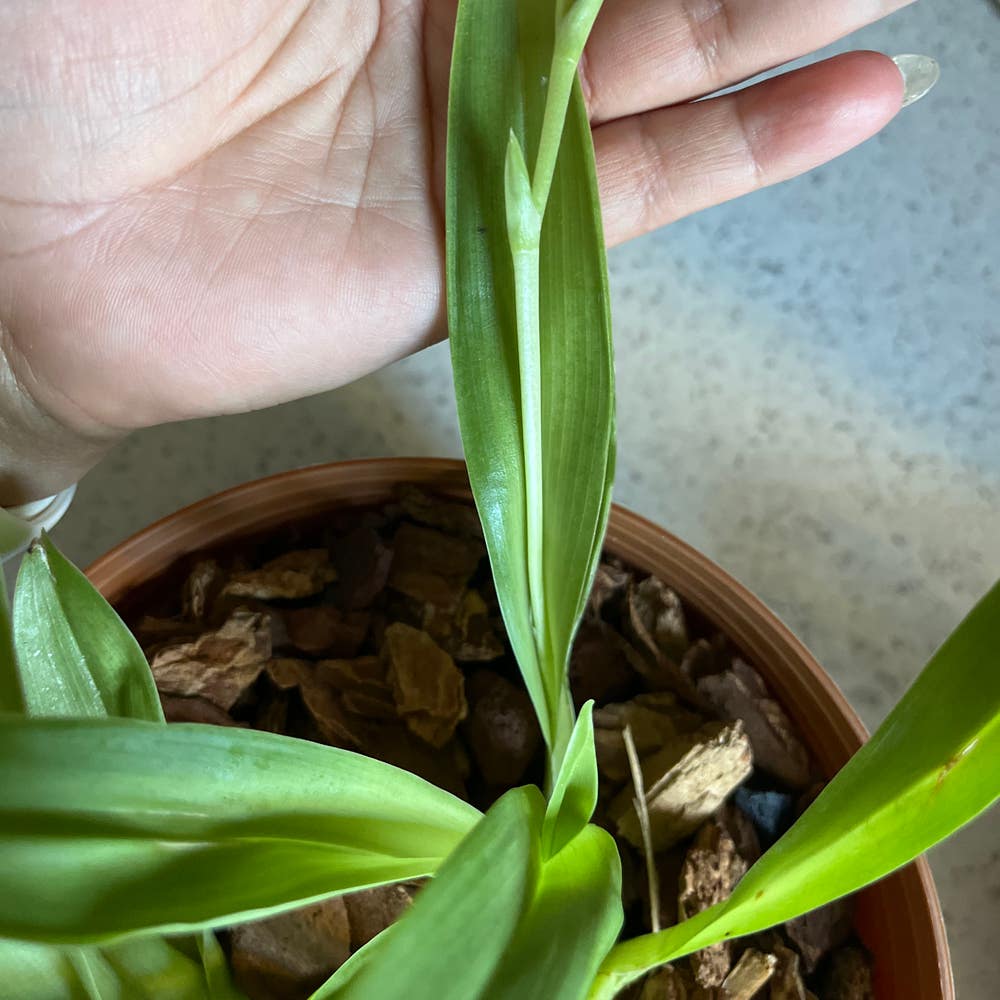
During this stage, you'll notice the foliage transforming. Leaves grow larger and more robust, showcasing the plant's characteristic shape.
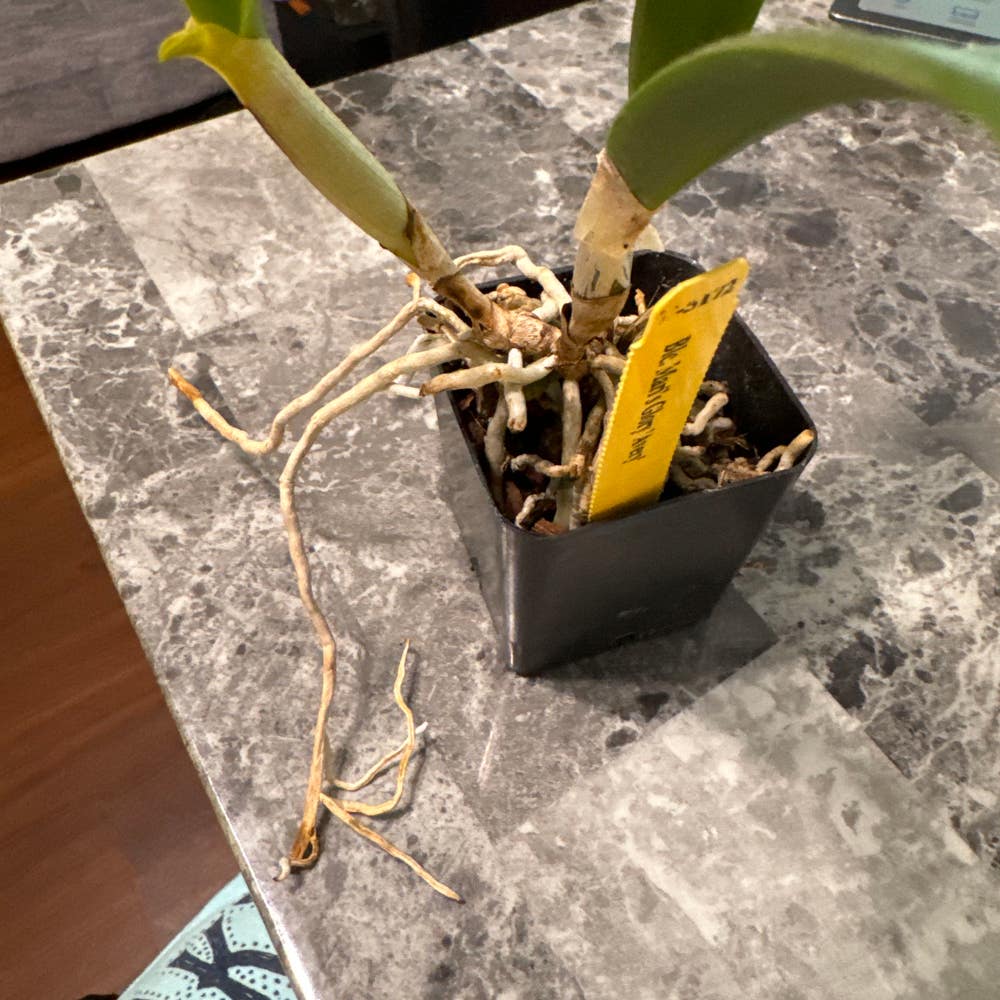
The root system also undergoes significant changes. As the root mass increases, you may need to repot your Miltoniopsis into larger containers to accommodate its growth.
Environmental Adaptations 🌍
Miltoniopsis plants are sensitive to their environment. Adjustments in light and humidity levels are essential to support their growth effectively.
Maintaining optimal conditions will help your plant thrive during this critical stage. By paying attention to these factors, you set the stage for a healthy transition to the flowering phase.
Flowering Stage
Duration of Flowering 🌸
The flowering stage of Miltoniopsis typically lasts 4-6 weeks. During this time, you'll witness the peak bloom, especially under optimal conditions.
Characteristics of Flowers and Pollination 🌼
Miltoniopsis flowers are truly a sight to behold, featuring unique pansy-like shapes and vibrant colors that can brighten any space.
Pollination is crucial for seed production and often requires specific pollinators or even manual intervention to ensure successful fertilization.
Environmental Triggers 🌤️
Flowering is sensitive to environmental factors. Changes in temperature and light can significantly influence when and how well these orchids bloom.
Understanding these triggers can help you create the ideal conditions for your Miltoniopsis to thrive and produce those stunning flowers.
As you navigate through the flowering stage, keep in mind the importance of maintaining stable conditions. This will not only enhance the beauty of your plants but also set the stage for the next exciting phase: seed production.
Seed Production Stage
Duration and Process of Seed Production 🌱
The journey from pollination to seed maturity takes about 3-6 months. During this time, seed pods develop and eventually split open, releasing seeds into the environment.
Importance of Seed Production 🌍
Seed production is vital for maintaining genetic diversity, which is crucial for the species' survival. Additionally, these seeds serve as a means for propagation, allowing for new plant growth and supporting cultivation efforts.
Understanding the seed production stage not only highlights the resilience of Miltoniopsis but also sets the stage for appreciating the growth rate and maturation process. Let's explore how long it takes for these beautiful orchids to reach their full potential.
Growth Rate and Maturation
How Long Until Fully Grown? 🌱
The journey from seed to flowering for Miltoniopsis typically spans about 2-3 years. This timeline can vary based on several factors, including care and environmental conditions.
Factors Affecting Growth Rate 🌡️
Several elements influence how quickly these orchids grow:
- Environmental Conditions: Temperature, humidity, and light exposure play crucial roles. Optimal conditions can significantly speed up growth.
- Care Practices: Regular fertilization, appropriate watering frequency, and the quality of the growing medium are essential for healthy development.
Comparison of Growth Rates 📊
In controlled environments, Miltoniopsis exhibits faster growth rates. Conversely, suboptimal conditions can lead to slower growth and even stunted development, making care practices vital.
Notable Changes Throughout the Life Cycle 🌼
As Miltoniopsis matures, several notable changes occur:
- Seedlings to Mature Plants: The transition from small seedlings to robust plants is remarkable, showcasing distinct foliage and vibrant flowers.
- Root Structure: Root systems evolve, requiring careful monitoring and potential repotting as the plant grows.
- Adjusted Care Requirements: Each growth stage demands specific humidity and light levels, necessitating adjustments in care.
- Sensitivity to Environmental Changes: Maintaining stable conditions is crucial for healthy growth, as fluctuations can impact development.
Understanding these growth milestones not only enhances your gardening skills but also deepens your appreciation for the beauty of Miltoniopsis. As you nurture these plants, you'll witness their transformation, making the journey all the more rewarding.
⚠️ Safety First
This content is for general information and may contain errors, omissions, or outdated details. It is not medical, veterinary advice, or an endorsement of therapeutic claims.
Always consult a qualified healthcare professional before using any plant as food, medicine, or supplement.
Never eat any plant (or feed one to pets) without confirming its identity with at least two trusted sources.
If you suspect poisoning, call Poison Control (800) 222-1222, the Pet Poison Helpline (800) 213-6680, or your local emergency service immediately.
Spotted an error? Please report it here.
Transform your Miltoniopsis journey into a blooming success 🌼 with Greg's tailored care reminders and insights, ensuring optimal conditions for every growth stage!