🌸 Miltoniopsis: Not an Annual
Miltoniopsis spp.
By the Greg Editorial Team
Sep 29, 2024•5 min read
This article was created with the help of AI so we can cover more plants for you. May contain errors. See one? Report it here.
- 🌸 Miltoniopsis orchids are perennials, thriving for years with proper care.
- 🌱 Pseudobulbs store nutrients, helping them survive challenging conditions.
- 🌿 Understanding their lifecycle enhances appreciation and gardening success with Miltoniopsis.
Miltoniopsis as a Perennial
🌱 Genetic Characteristics
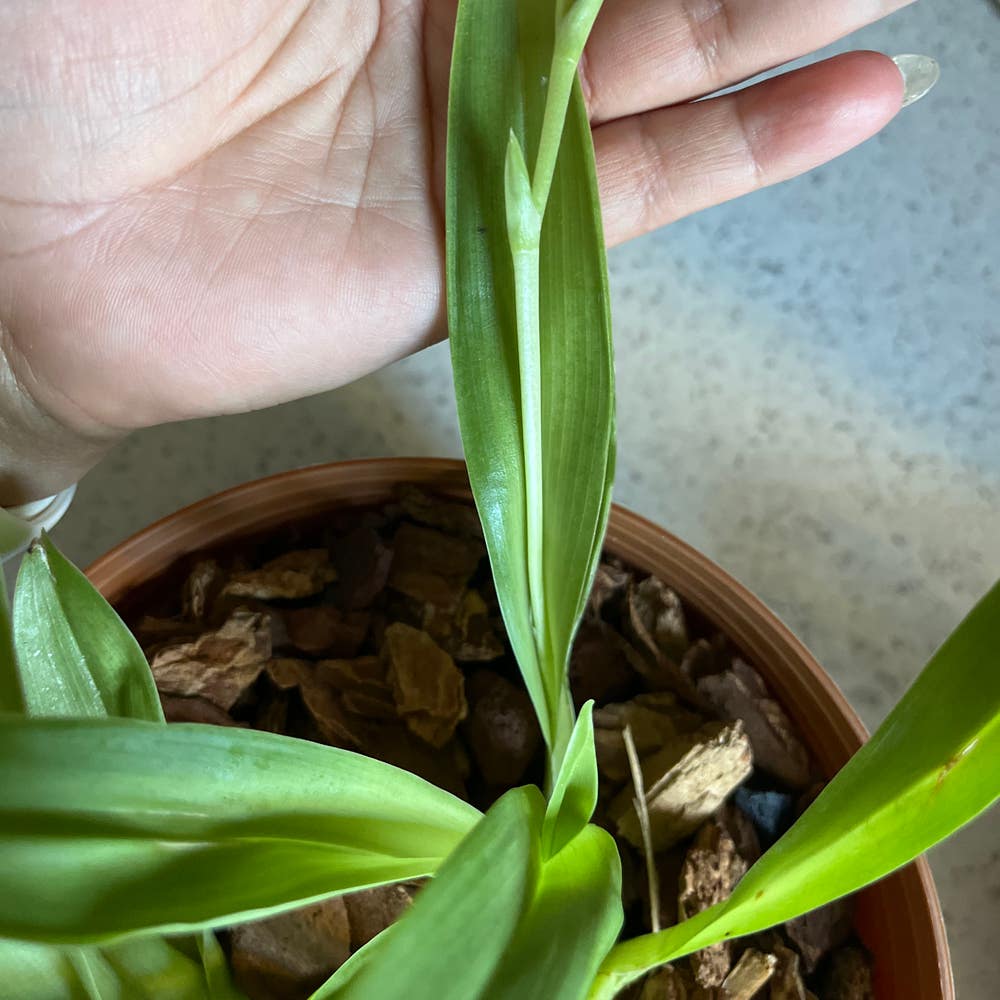
Miltoniopsis orchids boast unique genetic traits that set them apart within the orchid family. These adaptations enhance their longevity, particularly through structures like pseudobulbs, which store essential nutrients.
🌿 Adaptations for Longevity
Pseudobulbs are not just storage organs; they play a crucial role in the plant's survival. By retaining nutrients, these structures allow Miltoniopsis to thrive even in less-than-ideal conditions.
🌼 Physiological Traits Supporting Perennial Classification
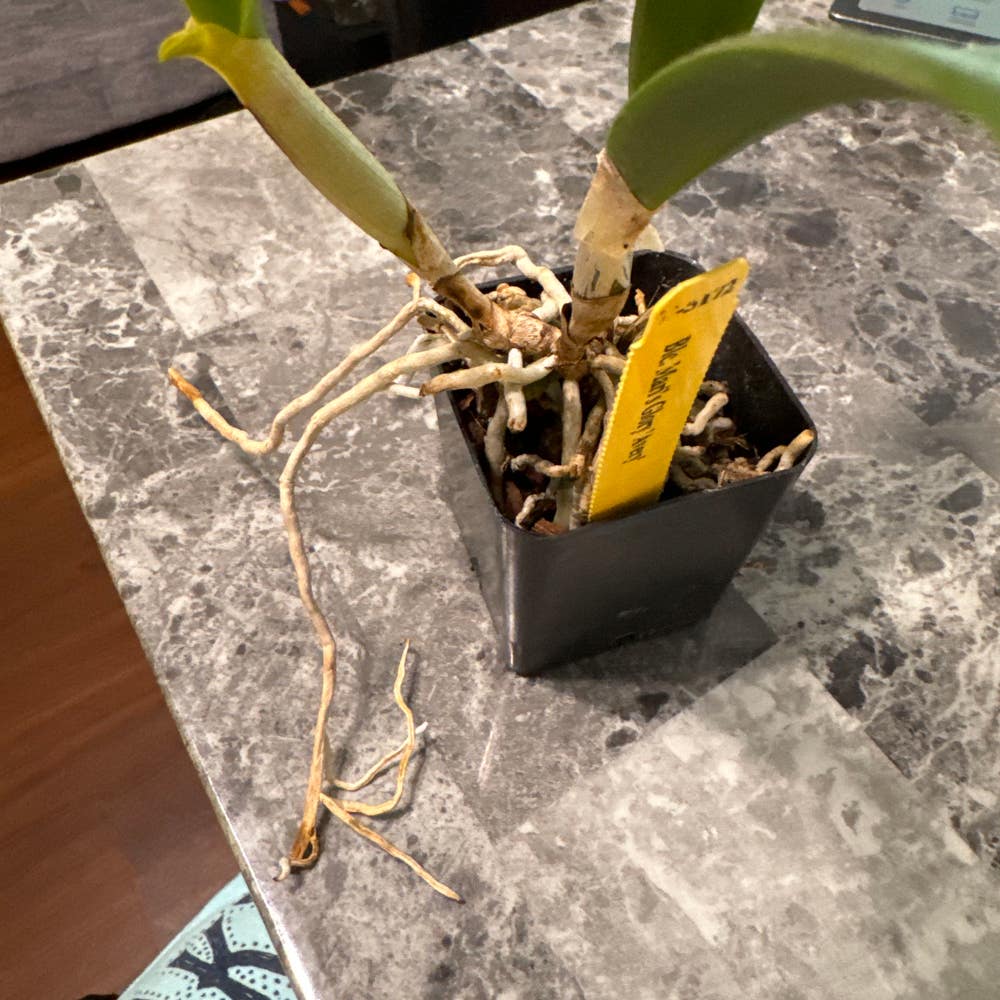
The growth structure of Miltoniopsis is fascinating. Their robust root systems and pseudobulbs work together to support their perennial nature.
💧 Water and Nutrient Retention Mechanisms
These orchids have evolved effective mechanisms for water and nutrient retention. This ability is vital for enduring seasonal fluctuations and ensuring consistent growth.
📅 Lifecycle and Growth Patterns
Miltoniopsis exhibit distinct seasonal growth and dormancy phases. Understanding these cycles is key to appreciating their longevity potential in optimal conditions.
🌸 Seasonal Growth and Dormancy Phases
During active growth, these orchids flourish with vibrant blooms. However, they also enter dormancy, a phase that allows them to conserve energy and resources.
⏳ Longevity Potential in Optimal Conditions
In ideal environments, Miltoniopsis can live for many years, showcasing their resilience. This longevity makes them a valuable addition to any garden, offering beauty season after season.
As we explore the lifecycle comparison with annuals, we’ll uncover how these traits further distinguish Miltoniopsis in the gardening world.
Lifecycle Comparison with Annuals
Differences in Flowering and Seed Production 🌸
Miltoniopsis orchids stand out with their weeks-long blooming periods, offering a stunning display that can last much longer than the fleeting blooms of annuals. While annuals typically showcase their flowers for a single season, Miltoniopsis can grace your garden multiple times throughout the year.
When it comes to seed production, the timing and frequency differ significantly. Annuals often produce seeds in a rush to ensure their lineage before the season ends. In contrast, Miltoniopsis can take their time, producing seeds more sporadically, which allows for a more sustained presence in your garden.
Reproductive Strategies 🌱
The reproductive strategies of Miltoniopsis are fascinating. These orchids utilize specific mechanisms for seed production that align with their perennial nature. They often produce seeds in response to environmental cues, ensuring that they thrive in suitable conditions.
Vegetative propagation also plays a crucial role in their lifecycle. This method allows Miltoniopsis to reproduce without relying solely on seeds, providing an additional layer of resilience. By developing new growth from existing plants, they can maintain their presence even in less-than-ideal circumstances.
In summary, understanding the lifecycle of Miltoniopsis compared to annuals reveals their unique strengths. This knowledge not only enhances your appreciation for these orchids but also informs your gardening practices, paving the way for a thriving perennial garden.
Next, we’ll explore the misconceptions surrounding Miltoniopsis and how they can lead to misclassification.
Misconceptions and Exceptions
Situations Leading to Misclassification 🌪️
Misunderstandings about Miltoniopsis often stem from environmental stress factors. When these orchids face drought or extreme temperatures, they may appear to decline, leading some to mistakenly believe they are annuals.
Another common misconception is confusing seasonal dormancy with death. During dormancy, Miltoniopsis conserves energy, which can mislead gardeners into thinking the plant has perished. Recognizing this cycle is crucial for proper care.
Regional Variations 🌍
Climate plays a significant role in the growth and perception of Miltoniopsis. In cooler regions, these orchids may struggle, leading to a shorter lifespan and misclassification as annuals.
Cultivation practices also impact longevity. Overwatering or poor soil can hinder growth, while proper care can enhance their perennial nature. Understanding these factors helps gardeners appreciate the true resilience of Miltoniopsis.
With these insights, you can better navigate the complexities of growing Miltoniopsis and appreciate their unique characteristics. Next, let’s explore how their lifecycle compares to annuals.
Garden Design Implications
Advantages in Perennial Gardens 🌺
Miltoniopsis orchids bring a unique aesthetic to gardens with their stunning blooms and lush foliage. Their vibrant colors and intricate patterns can create a captivating focal point, making them a favorite among gardeners.
In addition to their beauty, perennials like Miltoniopsis are cost-effective. Unlike annuals, which need to be replanted each year, these orchids can thrive for many seasons, saving you both time and money in the long run.
Planning for Long-Term Growth 🌱
Companion planting is a fantastic strategy for enhancing the health and beauty of your garden. Pairing Miltoniopsis with compatible plants can improve growth and create a more vibrant ecosystem.
Timing is crucial for planting and care. Understanding the seasonal needs of Miltoniopsis ensures they flourish, allowing you to enjoy their beauty year after year.
By considering these factors, you can create a garden that not only looks stunning but also thrives sustainably. This sets the stage for a deeper understanding of how to manage these orchids for longevity.
Management Tips for Longevity
Best Practices for Maintaining Miltoniopsis 🌱
To keep your Miltoniopsis thriving, focus on optimal watering and humidity. These orchids prefer consistently moist soil but avoid waterlogging; aim for a balance that allows the roots to breathe.
Humidity is crucial, ideally between 50-70%. Consider using a humidity tray or misting your plants regularly to create a suitable environment.
Nutrient Needs Throughout the Lifecycle 🌿
Nutrient requirements vary throughout the lifecycle of Miltoniopsis. During active growth, use a balanced fertilizer every two weeks to support robust development.
As the plant enters dormancy, reduce feeding to once a month. This adjustment helps prevent nutrient buildup and encourages healthy growth when the season changes.
Maximizing Flowering and Health 🌸
Pruning is essential for encouraging growth and maximizing flowering. Trim dead or yellowing leaves to promote airflow and direct energy to new growth.
Regularly inspect your plants for pests and diseases. Early intervention is key; treat any issues promptly to maintain the health of your Miltoniopsis.
Final Thoughts on Care 🌼
By following these management tips, you can ensure your Miltoniopsis remains vibrant and healthy. With the right care, these orchids will reward you with stunning blooms year after year, enhancing your garden's beauty.
Next, let’s explore the advantages of incorporating Miltoniopsis into your garden design.
⚠️ Safety First
This content is for general information and may contain errors, omissions, or outdated details. It is not medical, veterinary advice, or an endorsement of therapeutic claims.
Always consult a qualified healthcare professional before using any plant as food, medicine, or supplement.
Never eat any plant (or feed one to pets) without confirming its identity with at least two trusted sources.
If you suspect poisoning, call Poison Control (800) 222-1222, the Pet Poison Helpline (800) 213-6680, or your local emergency service immediately.
Spotted an error? Please report it here.
Unlock the perennial beauty of Miltoniopsis orchids 🌸 with Greg's tailored care reminders, ensuring they thrive and bloom vibrantly for years to come!