🌸 Ultimate Guide to Miltoniopsis Roots
Miltoniopsis spp.
By the Greg Editorial Team
Sep 29, 2024•6 min read
This article was created with the help of AI so we can cover more plants for you. May contain errors. See one? Report it here.
- 🌱 Miltoniopsis roots are shallow yet wide, optimizing moisture and nutrient absorption.
- 🚫💧 Prevent root rot by using well-draining media and allowing top inch to dry.
- 🌿 Healthy roots are crucial for propagation; ensure each division has strong roots.
Type of Root System
Fibrous Roots 🌱
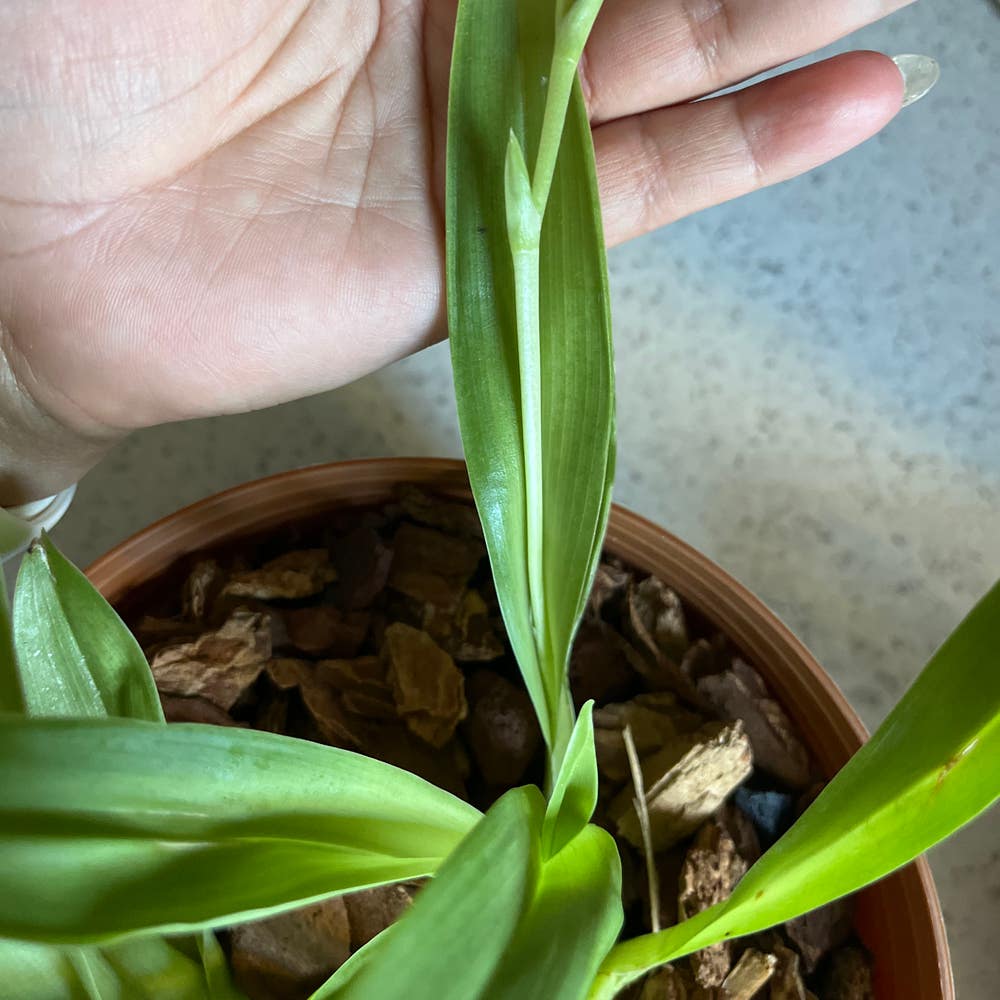
Miltoniopsis orchids feature a fibrous root system characterized by shallow roots that spread widely. This adaptation allows them to efficiently absorb moisture and nutrients from the surface, making them well-suited for their natural habitats.
Specific Characteristics 🌿
These roots are particularly sensitive to overwatering, necessitating well-draining media to prevent rot. Their thin, delicate structure makes them prone to damage if mishandled, so care is essential during any maintenance.
Additionally, Miltoniopsis roots grow in clusters, which enhances their ability to uptake nutrients effectively. This clustering is a fascinating aspect of their biology, showcasing how they thrive in their environments.
Understanding these root characteristics is crucial for successful care and cultivation, ensuring your Miltoniopsis remains healthy and vibrant. With this knowledge, you can better appreciate the intricate relationship between the roots and the overall health of the plant.
Root Depth, Spread, and Growth Patterns
Typical Root Depth and Spread 🌱
Miltoniopsis roots are generally shallow, typically reaching depths of 6 to 12 inches. However, their spread can be impressive, extending up to 24 inches wide, depending on the pot size and growing conditions.
Growth Patterns 🌼
These orchids thrive during warmer months, showing active growth and vibrant foliage. In cooler conditions, their growth slows down, making it crucial to monitor humidity and temperature for optimal root health.
Understanding these patterns helps you create the ideal environment for your Miltoniopsis, ensuring they flourish. As we move on, let’s explore how to care for these roots through proper watering and fertilization techniques.
Watering, Fertilizing, and Transplanting
How Root System Affects Watering Needs 🌊
Miltoniopsis roots thrive on consistent moisture but are sensitive to overwatering. Aim to water every 5-7 days, adjusting based on humidity and temperature to keep the roots happy without waterlogging.
Fertilization Techniques Tailored to Root Health 🌱
Using the right fertilizer is crucial for healthy roots. Opt for balanced orchid fertilizers, like a 30-10-10 mix, diluted to half strength for optimal nutrient absorption.
Fertilization Schedule 📅
During the growing season, fertilize monthly to support robust growth. In dormancy, scale back to bi-monthly applications to avoid overwhelming the roots.
Best Practices for Transplanting 🌼
Transplanting is best done in spring or after blooming to minimize stress on the plant. Follow these steps for a successful transition:
- Prepare a fresh, well-draining orchid mix.
- Gently remove the plant from its pot, taking care not to damage roots.
- Trim any dead or unhealthy roots to promote new growth.
- Place the plant in a new pot, ensuring roots are spread out and covered with media.
- Water thoroughly after transplanting to help settle the roots.
By following these watering, fertilizing, and transplanting guidelines, you can ensure your Miltoniopsis remains healthy and vibrant. Next, let’s explore common root-related issues that may arise and how to tackle them effectively.
Common Root-Related Issues
Identifying Common Problems 🌱
Root rot is a significant concern for Miltoniopsis enthusiasts. Symptoms include brown, mushy roots and a foul odor, indicating that the roots are suffering from excess moisture.
Pest infestations can also plague these plants. Common culprits include root mealybugs and aphids, which can weaken the plant and disrupt its growth.
Prevention Tips 🚫
To prevent root rot, allow the top inch of the media to dry out between waterings. This simple practice helps maintain a healthy moisture balance.
Using a mix designed for orchids is crucial. Such mixes promote drainage, reducing the risk of waterlogged roots.
Solutions for Unhealthy Roots 🛠️
If you encounter root rot, act quickly. Remove the affected roots, repot the plant in fresh media, and adjust your watering schedule to prevent recurrence.
For pest control, consider using insecticidal soap or neem oil. These methods are effective in managing infestations without harming your plant.
By staying vigilant and proactive, you can keep your Miltoniopsis roots healthy and thriving. Next, we'll explore how to assess indicators of root health to ensure your plant remains in top condition.
Indicators of Root Health
👀 Visual Cues of Healthy vs. Unhealthy Roots
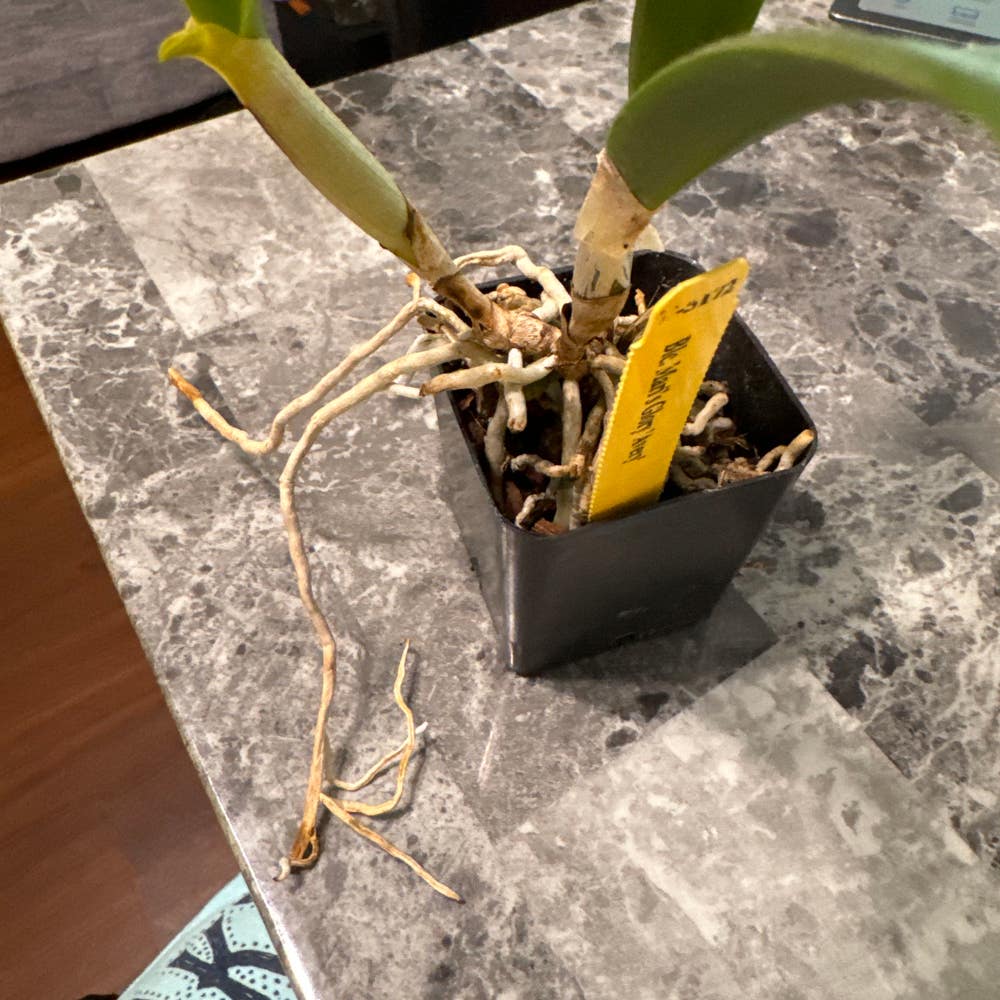
Healthy roots are a sight to behold. They typically appear white or light tan and have a firm texture, indicating vitality and strength.
In contrast, unhealthy roots tell a different story. Look for brown, mushy, or shriveled roots, which signal distress and potential root rot.
🔍 Other Indicators
Beyond root appearance, the overall health of the plant offers clues. Healthy plants showcase robust growth and vibrant foliage, thriving in their environment.
If you notice yellowing leaves or wilting, it's time to investigate further. These symptoms often point to underlying root issues that need addressing.
Understanding these indicators can empower you to take action before problems escalate. By keeping a close eye on your Miltoniopsis, you can ensure its roots—and overall health—remain in top shape.
Next, let’s explore common root-related issues that can arise and how to tackle them effectively.
Rootbound Plants
Definition and Signs 🌱
Rootbound plants occur when roots fill the pot and start circling, which restricts their growth. You can spot this condition if roots are visible through drainage holes, the plant shows stunted growth, or leaves begin to yellow.
When and How to Address Rootbound Conditions ⏰
Timing is crucial for intervention. If you notice growth slowing or signs of distress, it’s time to act.
Steps to Alleviate Rootbound Conditions ✂️
- Carefully remove the plant from its pot.
- Gently untangle and trim any circling roots.
- Repot the plant into a larger container with fresh media.
Addressing rootbound conditions not only revitalizes your plant but also enhances its overall health and growth potential. With the right care, your Miltoniopsis can thrive and flourish.
Next, let’s explore propagation and division techniques to ensure your plants continue to thrive.
Propagation and Division
Importance of Root Health 🌱
Healthy roots are the backbone of successful propagation and division. They provide the necessary support and nutrients for new plants to thrive.
Techniques for Dividing While Maintaining Root Integrity ✂️
Choose a mature plant with multiple growths. This ensures that each division has the potential to flourish.
Carefully separate the growths, ensuring each has a healthy root system. Take your time to avoid damaging the delicate roots.
Repot immediately in suitable media to minimize stress. Fresh, well-draining orchid mix will help the new divisions establish quickly.
By following these steps, you can ensure that your Miltoniopsis plants not only survive but thrive in their new homes. This process not only rejuvenates your plants but also expands your collection, bringing joy and beauty to your space.
Next, let’s explore common root-related issues that can arise and how to tackle them effectively.
⚠️ Safety First
This content is for general information and may contain errors, omissions, or outdated details. It is not medical, veterinary advice, or an endorsement of therapeutic claims.
Always consult a qualified healthcare professional before using any plant as food, medicine, or supplement.
Never eat any plant (or feed one to pets) without confirming its identity with at least two trusted sources.
If you suspect poisoning, call Poison Control (800) 222-1222, the Pet Poison Helpline (800) 213-6680, or your local emergency service immediately.
Spotted an error? Please report it here.
Nurture your Miltoniopsis roots for vibrant blooms 🌸 by using Greg's custom watering alerts and fertilization tips to keep your orchids thriving!