5 Tips for Healing Curling Leaves on Your Miltoniopsis 🩹
Miltoniopsis spp.
By the Greg Editorial Team
Sep 29, 2024•5 min read
This article was created with the help of AI so we can cover more plants for you. May contain errors. See one? Report it here.
- 🌞 Bright, indirect light prevents leaf curling; avoid direct sunlight exposure.
- 💧 Humidity levels of 50-70% are crucial to prevent curling and browning tips.
- 🌡️ Maintain temperatures between 65°F-80°F to avoid wilting and curling in Miltoniopsis.
Diagnosing the Problem
🌱 Environmental Factors Affecting Leaf Health
Light Requirements
Miltoniopsis thrive in bright, indirect light. Direct sunlight can scorch their delicate leaves, leading to curling and fading color.
Humidity Levels
Humidity is crucial for the health of your Miltoniopsis. Low humidity can cause leaf curling and browning tips, signaling that your plant needs more moisture in the air.
Temperature Considerations
The ideal temperature range for these orchids is between 65°F and 80°F (18°C to 27°C). If temperatures stray outside this range, you may notice symptoms like leaf curling and wilting.
🐛 Identifying Pests and Diseases
Common Orchid Pests
Keep an eye out for common pests that can affect your Miltoniopsis. Aphids, small green insects, can distort leaves, while spider mites leave fine webbing and stippled patterns. Mealybugs appear as white, cotton-like masses on leaves.
Disease Symptoms
Fungal infections often manifest as brown spots and leaf decay. Bacterial infections may present with water-soaked lesions and a foul odor, indicating a serious issue.
Inspection Techniques
Regular inspections are key to early detection of problems. Aim for weekly checks, and consider using a magnifying glass for a detailed examination of your plant's leaves and stems.
Understanding these environmental factors and potential threats will help you take proactive steps in caring for your Miltoniopsis. Next, we’ll explore treatment options to restore your plant's health.
Treatment Options
Adjusting Watering Practices 🌊
Watering your Miltoniopsis correctly is crucial for its health. A good rule of thumb is to water when the top inch of soil feels dry.
Proper drainage is equally important. Always use pots with drainage holes to prevent root rot, which can lead to leaf curling.
Signs of Overwatering vs. Underwatering ⚖️
Understanding the signs of overwatering and underwatering can save your plant. Overwatering often results in soggy soil and yellowing leaves.
On the other hand, underwatering leads to dry, crispy leaves. Keep an eye on these indicators to maintain balance.
Modifying Light Exposure ☀️
Light exposure plays a significant role in your orchid's well-being. If your plant is in direct sunlight, consider moving it to a spot with bright, indirect light.
Using sheer curtains can help diffuse harsh sunlight, creating a more suitable environment.
Monitoring Light Conditions 📏
To ensure your Miltoniopsis receives optimal light, consider using light meters. These tools can help you monitor and adjust light conditions effectively.
This proactive approach can prevent future leaf curling and fading.
Increasing Humidity Levels 💧
Humidity is essential for the health of your Miltoniopsis. Aim to maintain humidity levels between 50-70% for optimal growth.
Using humidifiers can help achieve this, while pebble trays—filled with water and pebbles—can also boost humidity around your plant.
Signs of Adequate Humidity 🌿
Healthy leaves are a sign of adequate humidity. Look for firm, vibrant leaves without curling.
If your plant exhibits these characteristics, you’re likely on the right track.
Fertilization Adjustments 🥦
Fertilization is another key aspect of care. A balanced orchid fertilizer, like a 30-10-10 mix, is recommended.
Apply it every 4-6 weeks during the growing season to keep your plant nourished.
Signs of Nutrient Deficiency ⚠️
Yellowing leaves can indicate a nutrient deficiency. If you notice this, it may be time to adjust your fertilization routine.
By addressing these treatment options, you can help your Miltoniopsis thrive.
Next, let’s explore preventative measures to ensure long-term health and resilience.
Preventative Measures
Best Practices for Miltoniopsis Care 🌱
Regular maintenance is key to keeping your Miltoniopsis healthy. Establish a consistent watering schedule that aligns with the season to ensure your plant thrives.
Fertilization is equally important. Stick to a routine that follows recommended guidelines to provide essential nutrients.
Environmental Control 🌬️
Maintaining stable temperatures and humidity levels is crucial for your orchid's well-being. Avoid drafts and sudden temperature changes to create a comfortable environment.
Seasonal Care Considerations 🍂
Adjusting care based on the seasons can make a significant difference. During spring and summer, increase watering and fertilization to support growth.
As fall and winter approach, reduce watering and lower light exposure. This seasonal adjustment helps your Miltoniopsis conserve energy and stay healthy.
By following these preventative measures, you can foster a thriving environment for your Miltoniopsis, setting the stage for vibrant blooms and lush foliage. Next, let’s explore how to monitor and maintain your plant effectively.
Monitoring and Maintenance
Regular Checks for Pests and Diseases 🐛
Regular inspections are crucial for keeping your Miltoniopsis healthy. Aim for weekly checks to catch any early signs of pests or diseases before they escalate.
Immediate action is essential if you spot any issues. This proactive approach can prevent the spread of infestations and ensure your plant remains vibrant.
Importance of Leaf Inspection 🍃
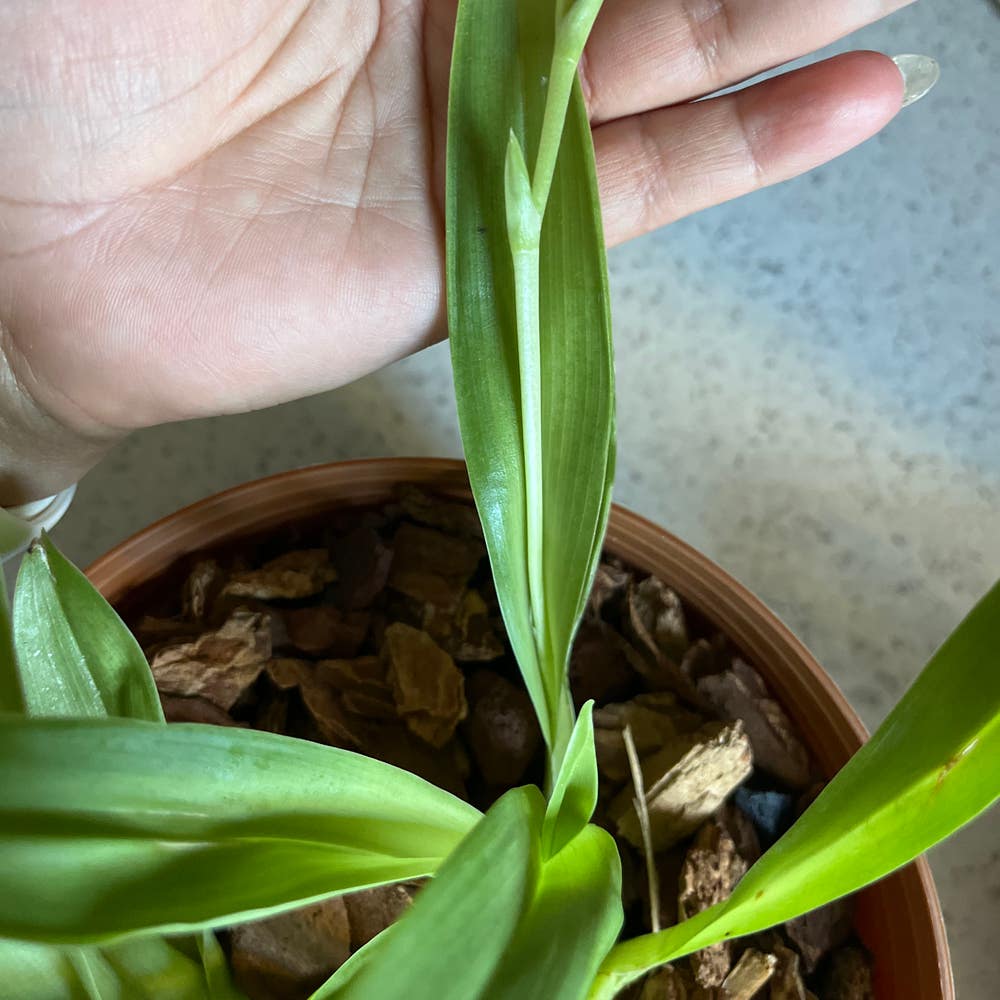
Healthy leaves are your best indicator of a thriving plant. Look for firm textures, vibrant colors, and, importantly, no curling.
Regularly checking for discoloration or curling can help you identify problems early. This vigilance allows you to address issues before they become serious.
When to Repot or Change Growing Medium 🌱
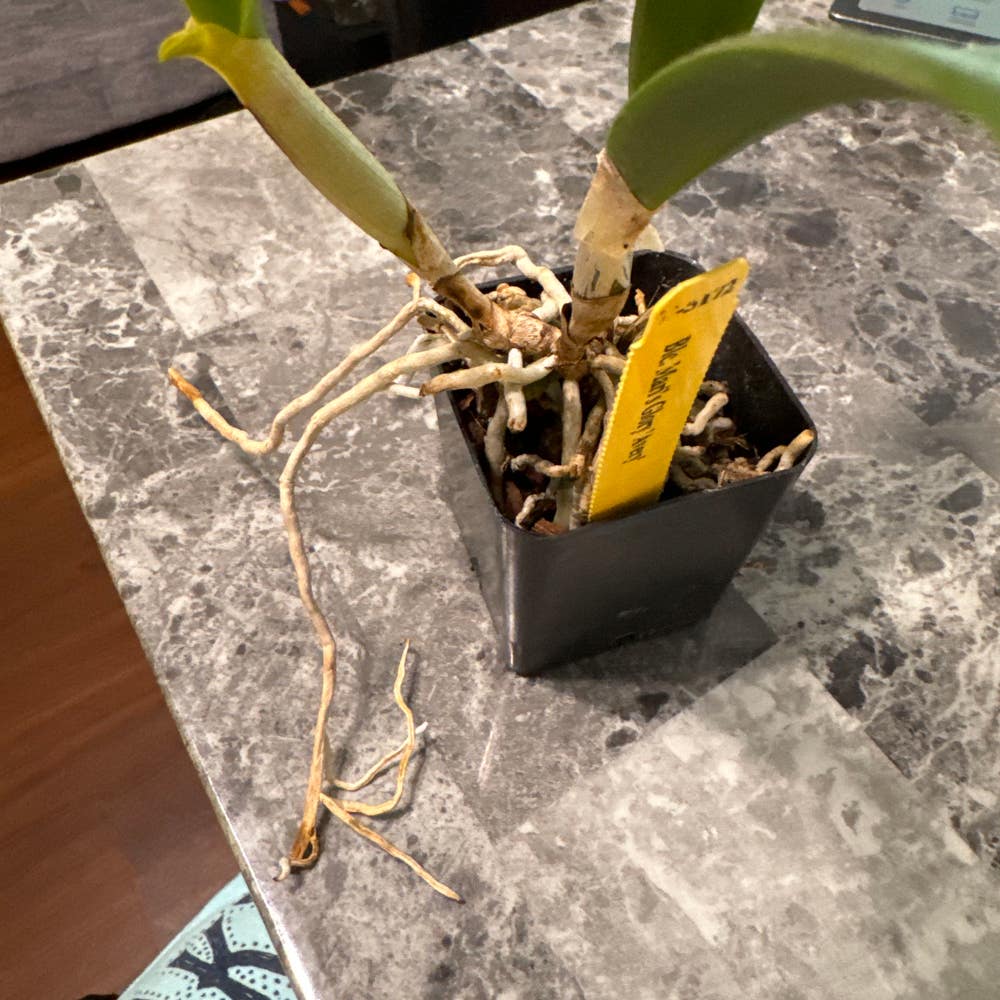
Repotting is an important part of maintaining your Miltoniopsis. Aim to repot every 1-2 years or whenever you notice that the roots are outgrowing the pot.
Watch for signs that indicate it's time to repot, such as root crowding or poor drainage. Persistent leaf curl, despite your care adjustments, can also signal that a change in growing medium is necessary.
By staying on top of these monitoring and maintenance tasks, you can ensure your Miltoniopsis thrives. Next, let’s explore some preventative measures to keep your plant in top shape.
⚠️ Safety First
This content is for general information and may contain errors, omissions, or outdated details. It is not medical, veterinary advice, or an endorsement of therapeutic claims.
Always consult a qualified healthcare professional before using any plant as food, medicine, or supplement.
Never eat any plant (or feed one to pets) without confirming its identity with at least two trusted sources.
If you suspect poisoning, call Poison Control (800) 222-1222, the Pet Poison Helpline (800) 213-6680, or your local emergency service immediately.
Spotted an error? Please report it here.
Revive your Miltoniopsis and keep those leaves lush and vibrant 🌿 with Greg's tailored care reminders and humidity tips for a flourishing orchid experience!