How to Cure Root Rot in Your Miltoniopsis 💧
Miltoniopsis spp.
By the Greg Editorial Team
Sep 29, 2024•5 min read
This article was created with the help of AI so we can cover more plants for you. May contain errors. See one? Report it here.
- 🌱 Identify root rot early by checking for yellow leaves and mushy roots.
- 🧼 Clean roots thoroughly and trim damaged parts to prevent further decay.
- 🌿 Repot in well-draining mix and adjust watering to ensure healthy recovery.
Identifying Root Rot Symptoms
Visual Signs of Root Rot 🌿
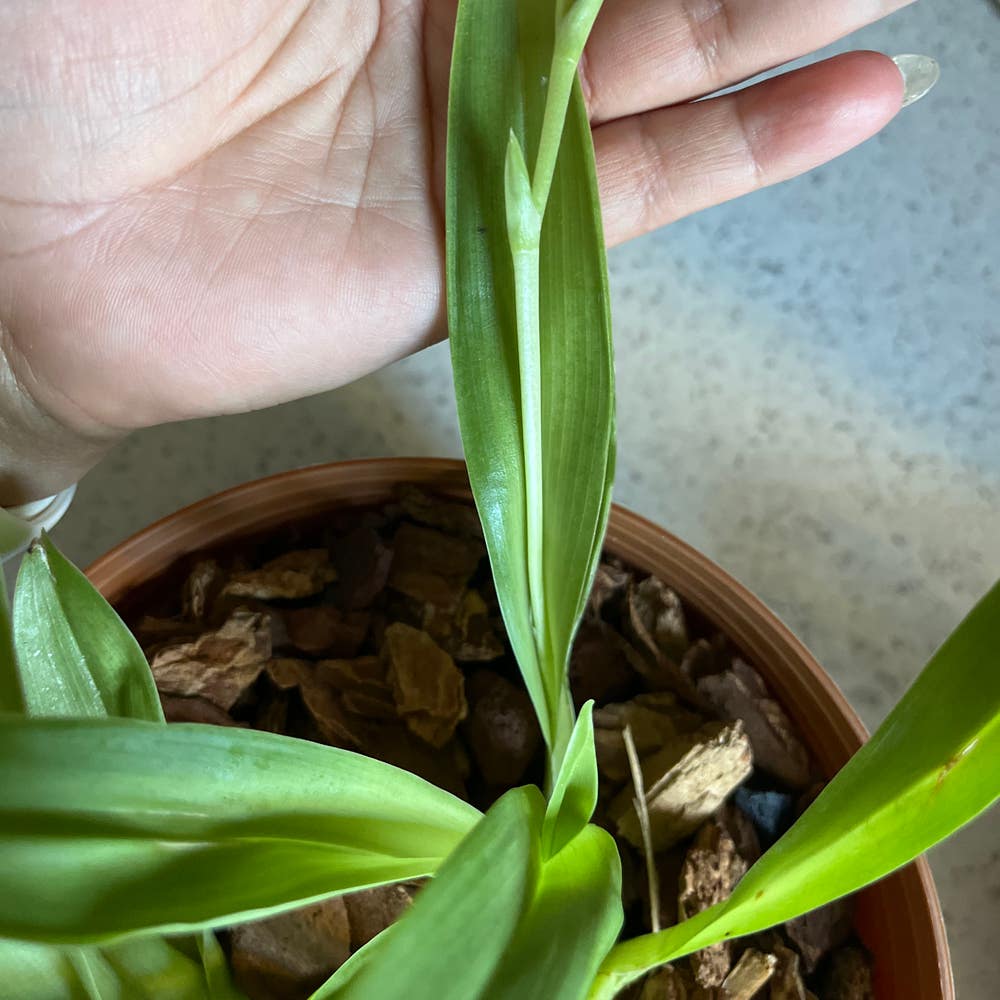
Recognizing root rot early can save your Miltoniopsis. Look for yellowing leaves, which often signal poor root health.
Wilting or drooping leaves indicate waterlogged roots, while blackened or mushy roots are definitive signs of root rot. These visual cues are crucial for timely intervention.
How to Check Root Health 🔍
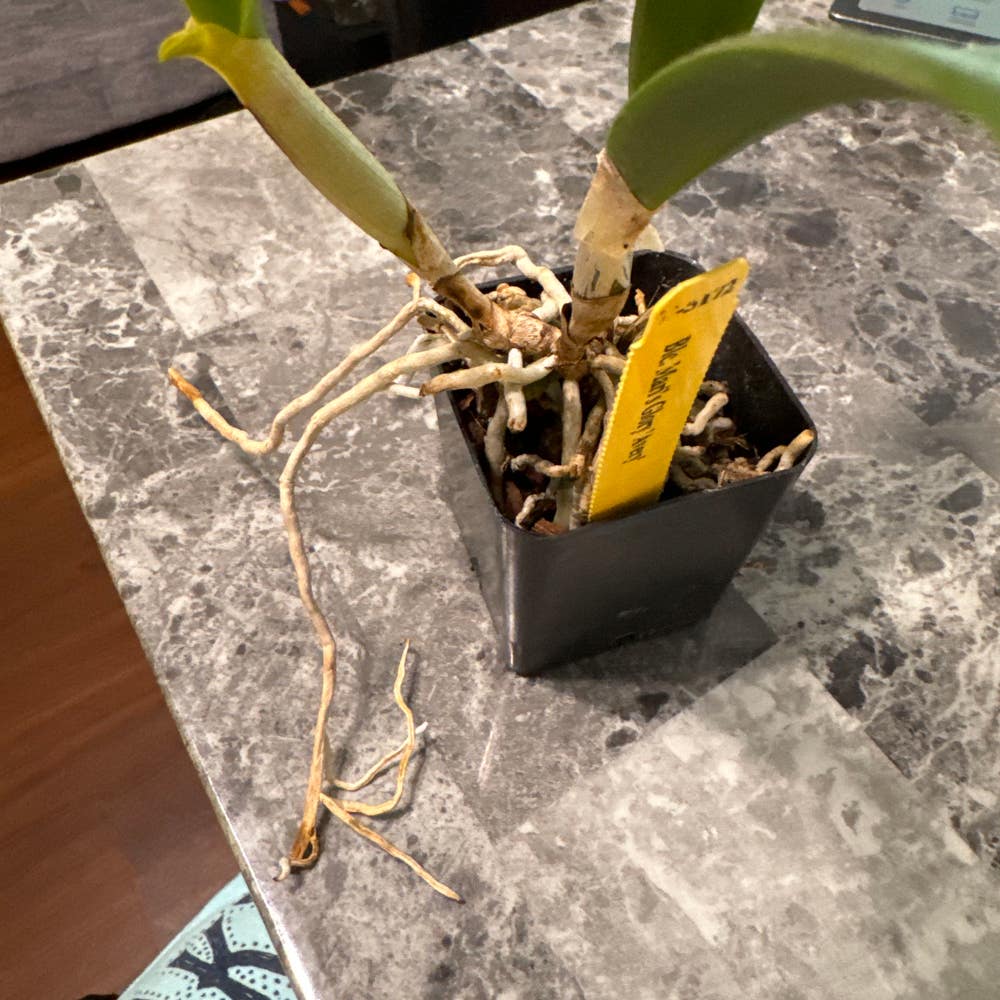
To assess root health, start by removing the plant from its pot. This allows you to inspect the root system closely.
Next, assess the root color and texture; healthy roots should be firm and white. A smell test can also be revealing—if you detect a foul odor, it indicates decay.
Distinguishing Between Root Rot and Other Issues ⚖️
It's essential to differentiate root rot from other problems. Compare the symptoms with pest damage; pests often cause different types of leaf damage.
Nutrient deficiencies can mimic root rot symptoms, so be sure to evaluate your plant's overall care routine. Understanding these distinctions will help you address the issue effectively.
Curing Root Rot
🛠️ Step-by-Step Guide to Treatment
Remove the plant from the pot: Gently take out the Miltoniopsis to avoid further stress.
Clean the roots: Rinse under lukewarm water to wash away soil and debris.
Trim affected roots: Use sterilized scissors to cut away any blackened or mushy sections. This helps prevent the spread of rot.
Apply fungicide: Treat the remaining healthy roots with a fungicide. This step is crucial for preventing future infections.
Repot in fresh medium: Use a well-draining potting mix specifically designed for Miltoniopsis. This ensures the roots have the best environment to thrive.
🧰 Tools and Materials Needed for Treatment
- Sterilized scissors or pruning shears: Essential for clean cuts.
- Fungicide: Options include cinnamon or a commercial orchid fungicide.
- Fresh potting medium: A recommended mix for Miltoniopsis is vital for recovery.
- New pot with drainage holes: Proper drainage is key to preventing future root rot.
🌱 How to Repot a Miltoniopsis with Root Rot
Choose the right pot size: Ensure it’s slightly larger than the root ball to allow for growth.
Fill the pot with fresh medium: Leave enough space for the roots to spread comfortably.
Position the plant: Center the Miltoniopsis in the pot and fill in any gaps with the medium.
Water lightly: Moisten the medium without saturating it. This helps the plant adjust without overwhelming it.
By following these steps, you can effectively treat root rot and give your Miltoniopsis a fighting chance at recovery. Next, let’s explore how to prevent root rot from occurring in the first place.
Preventing Root Rot
🌊 Best Practices for Watering
Establishing a consistent watering schedule is crucial for your Miltoniopsis. Aim to water every 7-10 days, adjusting based on humidity levels in your environment.
Regularly check moisture levels using a moisture meter or simply by testing with your finger. When you do water, ensure you soak the medium thoroughly until it drains from the bottom, promoting healthy root growth.
🌱 Choosing the Right Potting Medium
Selecting the right potting medium is essential for preventing root rot. Opt for bark-based or sphagnum moss blends, which provide the right balance of moisture retention and drainage.
Understanding the importance of this balance can make all the difference in maintaining optimal root health. Too much moisture can lead to rot, while too little can stress the plant.
🕳️ Importance of Drainage in Orchid Care
Drainage is a game-changer in orchid care. Always use pots with ample drainage holes to allow excess water to escape, preventing waterlogged roots.
Consider elevating your pots using pot feet or opting for slotted pots to enhance airflow. This simple step can significantly improve the health of your Miltoniopsis and reduce the risk of root rot.
By implementing these preventive measures, you can ensure your Miltoniopsis thrives, setting the stage for successful recovery and growth. Next, we’ll explore how to monitor your plant’s recovery after treatment.
Post-Treatment Care
Monitoring Recovery After Treatment 🌱
Regular inspections are crucial after treating root rot. Keep an eye out for new growth and assess root health frequently.
Adjusting care is equally important. Modify your watering and light conditions based on the plant's recovery signs.
Signs of Successful Recovery 🌼
Look for new root growth as a primary indicator of recovery. Healthy white roots are a good sign that your Miltoniopsis is bouncing back.
Leaf health is another key factor. If the leaves return to a vibrant green color, it's a positive indication of overall plant vitality.
Flowering can also signal successful recovery. If your plant starts to bloom, it’s a clear sign that it’s thriving again.
Long-Term Care Tips to Prevent Recurrence 🔄
Establish a consistent watering schedule to maintain optimal moisture levels. Regular intervals help prevent the conditions that lead to root rot.
Seasonal adjustments are essential too. Modify your care routine based on changes in temperature and humidity throughout the year.
Lastly, consider regular repotting every 1-2 years. This refreshes the potting medium and allows you to check on root health, ensuring your Miltoniopsis remains in top shape.
By following these post-treatment care tips, you can help your Miltoniopsis thrive and prevent future issues. Next, let’s explore the best practices for preventing root rot in the first place.
⚠️ Safety First
This content is for general information and may contain errors, omissions, or outdated details. It is not medical, veterinary advice, or an endorsement of therapeutic claims.
Always consult a qualified healthcare professional before using any plant as food, medicine, or supplement.
Never eat any plant (or feed one to pets) without confirming its identity with at least two trusted sources.
If you suspect poisoning, call Poison Control (800) 222-1222, the Pet Poison Helpline (800) 213-6680, or your local emergency service immediately.
Spotted an error? Please report it here.
Revive your Miltoniopsis from root rot with Greg's tailored care tips 🌱, ensuring your plant thrives with personalized watering reminders and expert advice for lasting health!