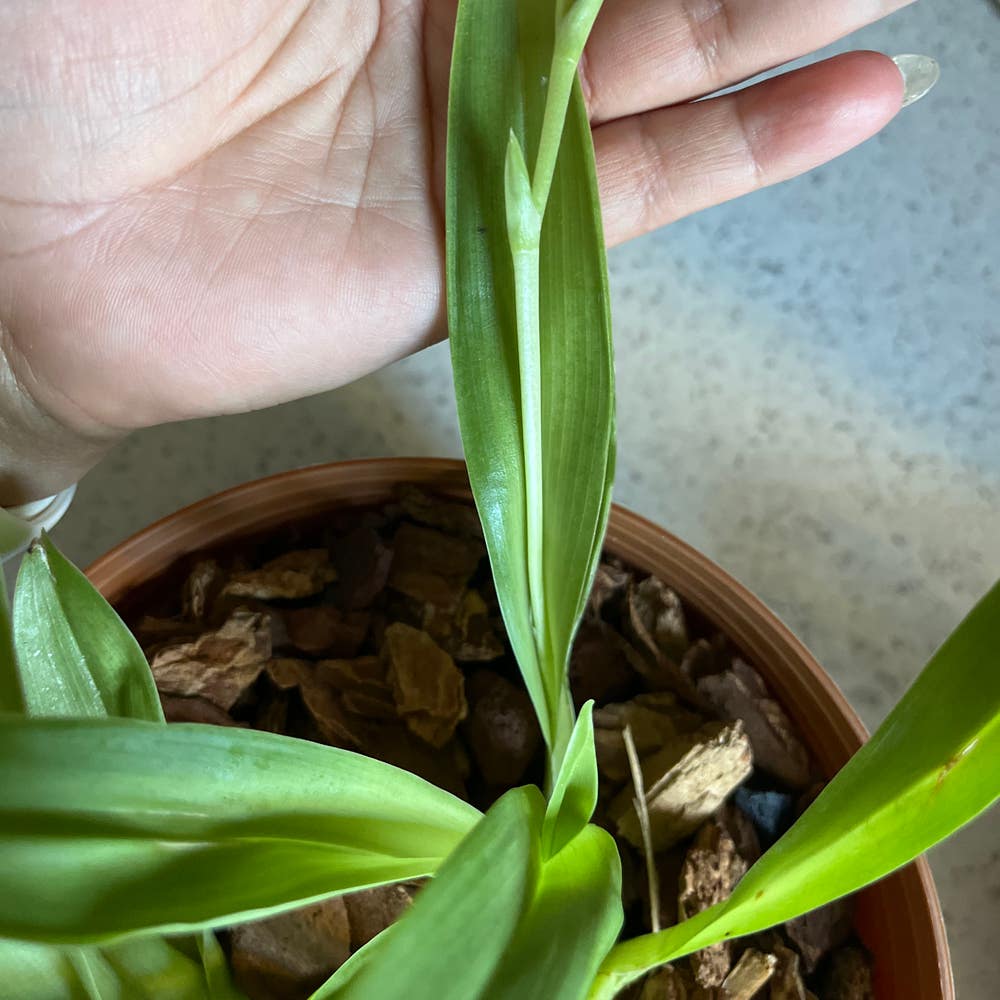
🌸 Why Your Miltoniopsis Leaves Are Dropping
Miltoniopsis spp.
By the Greg Editorial Team
Sep 29, 2024•6 min read
This article was created with the help of AI so we can cover more plants for you. May contain errors. See one? Report it here.
- 💧 Overwatering and underwatering both cause leaf drop; balance is key!
- 🌞 Bright, indirect light is essential; avoid direct sunlight to prevent scorching.
- 🌡️ Stable temperatures between 65°F to 80°F prevent leaf drop and promote health.
Causes of Leaf Drop
💧 Overwatering and Root Rot
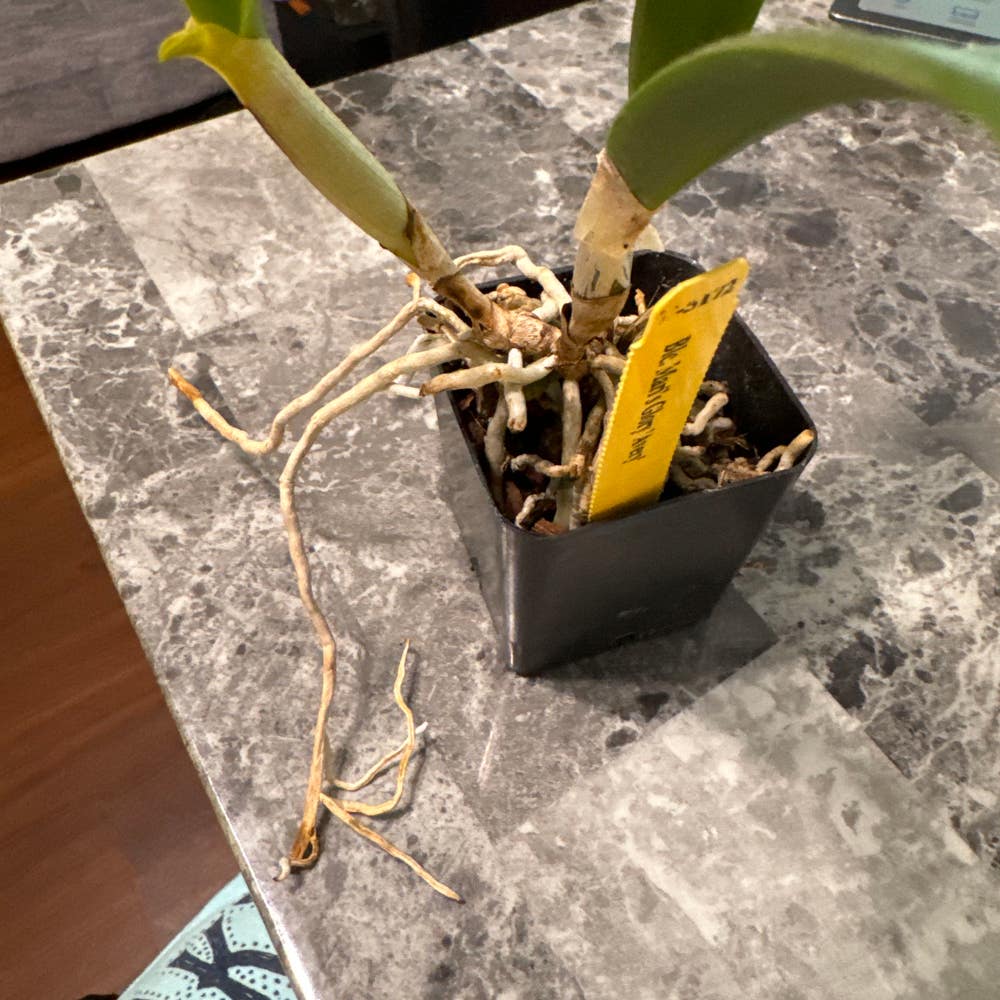
Overwatering is a common culprit behind leaf drop in Miltoniopsis. Look for symptoms like yellowing leaves, mushy roots, and a foul smell from the potting medium.
Root rot occurs when waterlogged conditions lead to fungal infections. To prevent this, ensure proper drainage and use a well-aerated potting mix.
🚰 Underwatering and Drought Stress
On the flip side, underwatering can also cause leaves to drop. Symptoms include wrinkled leaves, dry tips, and eventual leaf loss.
If left unaddressed, drought stress can lead to irreversible damage. Water your plant when the top inch of the medium feels dry to maintain its health.
💡 Inadequate Light Conditions
Miltoniopsis thrives in bright, indirect light. Too much direct sunlight can scorch the leaves, while insufficient light leads to stretched growth, pale leaves, and leaf drop.
To adjust exposure, consider using sheer curtains or relocating your plant to a brighter spot.
🌡️ Temperature Fluctuations
Temperature stability is crucial for your plant's well-being. The optimal range is between 65°F to 80°F (18°C to 27°C) during the day, with slightly cooler temperatures at night.
Sudden changes can shock the plant, resulting in leaf drop. Keep your Miltoniopsis away from drafts and heat sources to maintain a stable environment.
🐜 Pest Infestations
Pests can wreak havoc on your Miltoniopsis, leading to leaf drop. Common offenders include aphids, mealybugs, and spider mites.
Signs of infestation include sticky residue, webbing, and visible insects on the leaves. Regular inspections and the use of insecticidal soap can help control these pests effectively.
Understanding these causes is essential for keeping your Miltoniopsis healthy and vibrant. Next, we’ll explore how to diagnose leaf drop issues effectively.
Diagnosing Leaf Drop Issues
Identifying Symptoms of Overwatering 🌊
Soft, yellowing leaves and root discoloration are clear signs of overwatering. If you notice these symptoms, check the root health immediately and adjust your watering practices to prevent further damage.
Recognizing Signs of Underwatering 💧
Leaf wrinkling and dry tips indicate your Miltoniopsis may be underwatered. To remedy this, increase your watering frequency and keep an eye on moisture levels in the potting medium.
Assessing Light Levels 🌞
To ensure your plant thrives, assess its light levels using a light meter or by observing leaf color and growth direction. If the light is insufficient, adjust the plant's placement to meet its needs.
Checking for Pests 🐛
Inspect your plant regularly by looking under leaves and in leaf axils for pests. If you find any, treat infestations promptly to prevent further damage to your Miltoniopsis.
Evaluating Environmental Conditions 🌬️
Humidity levels, temperature stability, and air circulation are crucial for your plant's health. Make necessary adjustments to create an optimal environment that supports growth and prevents leaf drop.
By diagnosing these issues effectively, you can take proactive steps to nurture your Miltoniopsis back to health. Next, let’s explore preventive measures to keep your plant thriving.
Preventive Measures
💧 Proper Watering Techniques
Watering your Miltoniopsis correctly is crucial for its health. Always water thoroughly but allow the potting medium to dry out between waterings to prevent root rot.
Using a moisture meter can help you gauge when it's time to water. This tool ensures you’re not guessing and helps maintain the right moisture levels.
☀️ Ideal Light Conditions
Your orchid thrives in bright, indirect light. Position it where it can soak up the right amount of light without getting scorched.
As seasons change, keep an eye on light exposure. Adjust the plant's location to ensure it continues to receive optimal light throughout the year.
🌫️ Maintaining Humidity Levels
Humidity plays a significant role in your plant's well-being. Aim for a humidity level between 50-70% for optimal growth.
To boost humidity, consider using humidity trays filled with water or misting the leaves regularly. These methods create a more favorable environment for your Miltoniopsis.
🌡️ Temperature Control
Temperature stability is vital for preventing stress in your orchid. Keep the temperature between 65°F to 80°F (18°C to 27°C) during the day.
Utilizing thermostats can help maintain consistent conditions. Regularly check the temperature with a thermometer to avoid extreme fluctuations.
🐛 Regular Pest Inspections
Pests can sneak up on your plant, so regular inspections are essential. Aim for weekly checks to catch any infestations early.
A magnifying glass can be a handy tool for detailed inspections. Look closely under leaves and in leaf axils to ensure your orchid remains pest-free.
By implementing these preventive measures, you can create a thriving environment for your Miltoniopsis. This proactive approach not only enhances its growth but also minimizes the risk of leaf drop. Next, let’s explore how to diagnose any leaf drop issues effectively.
Treatment Solutions
Adjusting Watering Schedule 🌧️
Establishing a consistent watering schedule is crucial for your Miltoniopsis. Tailor your frequency based on environmental conditions, adjusting as needed for seasonal changes and the plant's response.
Repotting to Address Root Issues 🌱
If you notice signs of root rot or your plant appears overcrowded, it’s time to repot. Use a well-draining orchid mix to promote healthy root growth and prevent future issues.
Using Insecticidal Soap for Pests 🐞
For pest control, apply insecticidal soap directly to affected areas. Ensure thorough coverage and reapply every 7-10 days until you see a significant reduction in pests.
Fertilizing for Nutrient Balance 🍽️
To maintain nutrient balance, use a balanced orchid fertilizer at half strength. Fertilize during the growing season for optimal results, ensuring your plant gets the nourishment it needs.
Environmental Adjustments for Optimal Growth 🌍
Monitor and adjust humidity, light, and temperature to create the best environment for your Miltoniopsis. Utilize tools like hygrometers and light meters for precise measurements, ensuring your plant thrives.
By implementing these treatment solutions, you can effectively address the issues causing leaf drop and promote a healthier, more vibrant Miltoniopsis. Next, let’s explore seasonal considerations to further enhance your plant care routine.
Seasonal Considerations
🌧️ Seasonal Watering Adjustments
During the active growth phase, your Miltoniopsis will need more water. Keep an eye on the plant's response and reduce watering when it enters dormancy.
☀️ Light Changes with Seasons
As days shorten, consider moving your plants closer to windows to maximize light exposure. Reflective surfaces can also help enhance the light reaching your orchids.
🌡️ Temperature Management Throughout the Year
Maintaining consistent temperatures is crucial for your plant's health. Use heating mats or fans to stabilize conditions throughout the year, ensuring your Miltoniopsis thrives in a comfortable environment.
By adjusting your care routine with the seasons, you can help your Miltoniopsis flourish. Next, let’s explore treatment solutions to address any ongoing issues.
⚠️ Safety First
This content is for general information and may contain errors, omissions, or outdated details. It is not medical, veterinary advice, or an endorsement of therapeutic claims.
Always consult a qualified healthcare professional before using any plant as food, medicine, or supplement.
Never eat any plant (or feed one to pets) without confirming its identity with at least two trusted sources.
If you suspect poisoning, call Poison Control (800) 222-1222, the Pet Poison Helpline (800) 213-6680, or your local emergency service immediately.
Spotted an error? Please report it here.
Keep your Miltoniopsis thriving 🌿 by mastering the balance of watering, light, and humidity with Greg's tailored care reminders to prevent leaf drop and ensure vibrant growth!