🌸 How to Plant Your Miltoniopsis
Miltoniopsis spp.
By the Greg Editorial Team
Sep 29, 2024•5 min read
This article was created with the help of AI so we can cover more plants for you. May contain errors. See one? Report it here.
- 🌱 Best time to plant Miltoniopsis is spring or early summer for optimal growth.
- 🌿 Use well-draining orchid mix and ensure pots have drainage holes for healthy roots.
- 💧 Maintain humidity between 50-70% and avoid overwatering to prevent root rot.
Planting New Miltoniopsis
Optimal Timing for Planting 🌱
Spring or early summer is the best time to plant Miltoniopsis. This timing aligns perfectly with their growth cycle, ensuring your plants thrive.
Consider the climate as well. Consistently warm temperatures and adequate humidity levels are crucial for successful planting.
Selecting the Right Soil Mix and Containers 🪴
For Miltoniopsis, a well-draining orchid potting mix is essential. Adding perlite enhances aeration, promoting healthy root growth.
When it comes to containers, choose pots with drainage holes. Clay pots are a great option as they help regulate moisture levels effectively.
Proper Depth and Spacing for Planting 📏
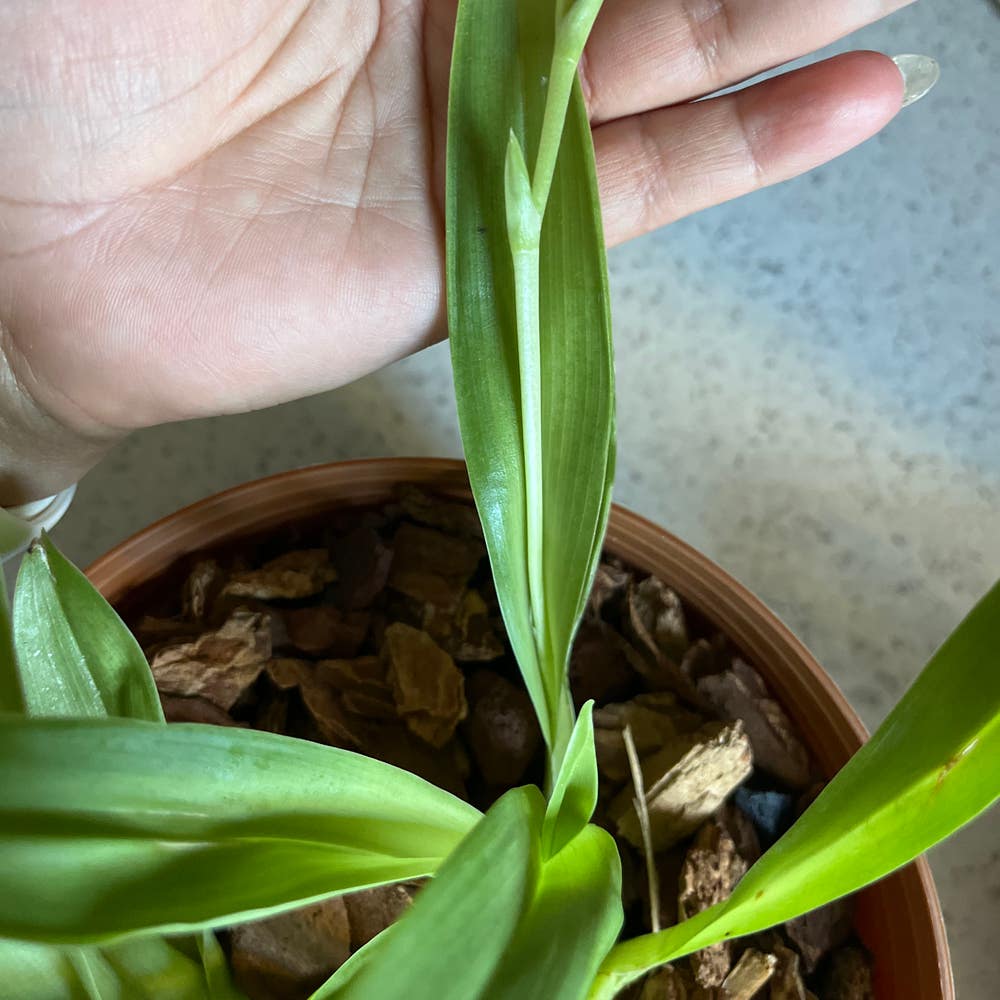
Position the root ball at the same depth as it was in the original container. This helps the plant adjust without stress.
Space your Miltoniopsis plants 12-18 inches apart. This distance allows for ample growth and airflow, preventing overcrowding.
Maintaining Ideal Growing Conditions ☀️
Miltoniopsis thrive in bright, indirect light. Avoid direct sunlight to prevent leaf burn, which can hinder growth.
Humidity is another key factor. Aim to maintain levels between 50-70% for optimal growth.
Temperature matters too; keep it between 65°F to 80°F (18°C to 27°C) for the best results.
Hardening Off Miltoniopsis Before Outdoor Planting 🌳
Hardening off is crucial for acclimating your plants to outdoor conditions. This gradual process helps them adjust without shock.
Start by placing your plants outdoors for a few hours each day. Gradually increase their exposure over 7-10 days to ensure a smooth transition.
With these steps, you’re well on your way to successfully planting your Miltoniopsis. Next, let’s explore how to transplant established plants for continued growth and vitality.
Transplanting Established Miltoniopsis
🌱 Optimal Timing for Transplanting
Transplanting your Miltoniopsis is best done in late spring or early summer. This timing aligns with the plant's active growth phase, ensuring a smoother transition.
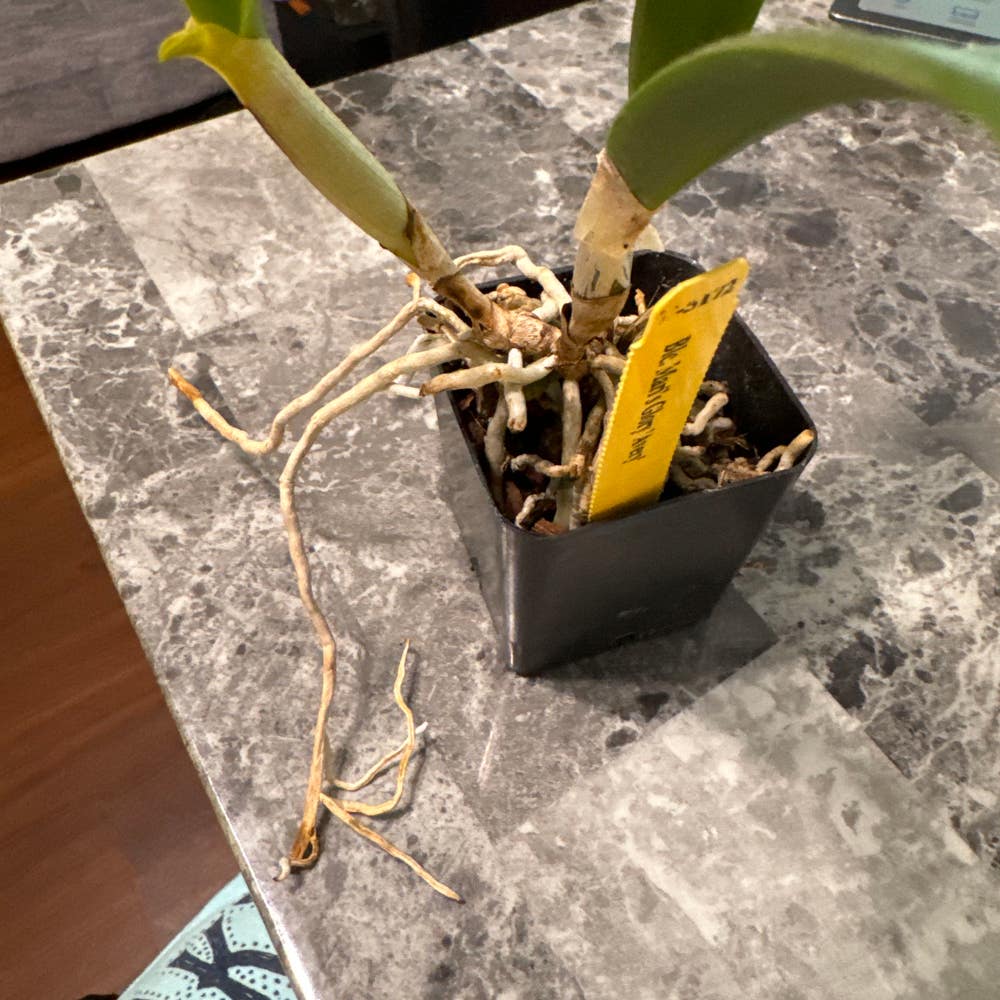
Look for signs that indicate it's time to transplant, such as root-bound conditions or a noticeable decline in health. These signals suggest your plant needs a new home to thrive.
🛠️ Step-by-Step Instructions for Transplanting
Removing the Plant from Its Current Location
- Water the plant a day before transplanting to reduce stress on the roots.
- Use a trowel to gently loosen the soil around the roots.
- Carefully lift the plant from its pot, supporting the root ball to prevent damage.
Preparing the New Planting Site
- Select a location that offers the right light and humidity levels for your Miltoniopsis.
- Amend the soil with orchid potting mix to enhance drainage.
- Dig a hole that is slightly larger than the root ball to accommodate growth.
Ensuring Proper Placement and Spacing
- Position the plant in the hole, ensuring the root ball is level with the surrounding soil.
- Fill in with soil, gently pressing down to eliminate any air pockets.
- Space your plants 12-18 inches apart to promote optimal growth and airflow.
💧 Tips for Watering, Mulching, and Providing Support
After transplanting, water your Miltoniopsis thoroughly, allowing excess water to drain away. This helps settle the soil around the roots.
Consider applying a thin layer of mulch to retain moisture and suppress weeds. If you have taller varieties, use stakes for support to prevent them from toppling over.
Transplanting can be a rewarding experience, allowing your Miltoniopsis to flourish in its new environment. With the right care and attention, your plants will thrive and bring beauty to your space.
Benefits and Drawbacks of Planting New vs. Transplanting Established Plants
💰 Cost Considerations
When it comes to cost, new Miltoniopsis plants usually have a lower initial price tag. However, they often take longer to establish, which can mean a delayed return on your investment.
On the flip side, established plants come with a higher upfront cost but typically bloom and adapt more quickly. This can make them a more appealing option if you're eager to see results.
⏳ Time to Maturity
New Miltoniopsis plants require patience, as they take longer to reach maturity and start flowering. If you're in it for the long haul, this might be a worthwhile journey.
In contrast, established plants usually bloom within the first season after transplanting. This quicker turnaround can be a significant advantage for those looking to enjoy their blooms sooner.
🌱 Adaptability to Local Growing Conditions
New plants may need extra care to adjust to your local climate and humidity levels. This can involve some trial and error as you find the right balance.
Established plants, however, are often better acclimated to local conditions. This means they might thrive more readily, saving you time and effort in the long run.
In summary, whether you choose to plant new Miltoniopsis or transplant established ones, each option has its unique benefits and challenges. Understanding these factors can help you make an informed decision that aligns with your gardening goals.
Next, let’s dive into troubleshooting common issues that may arise during the planting process.
Troubleshooting Common Issues
🌱 Understanding Transplant Shock
Transplant shock can be a real bummer for your Miltoniopsis. Symptoms include wilting, yellowing leaves, and stunted growth after moving the plant.
To prevent this, minimize root disturbance during the transplant process. Ensuring proper watering is also crucial; keep the soil moist but not soggy.
🏡 Addressing Establishment Problems
If your Miltoniopsis is struggling to settle in, you might notice slow growth, leaf drop, or poor flowering. These signs indicate establishment issues that need your attention.
Adjust your watering practices first. Check for pests and ensure your plant is getting the right amount of light.
🚿 Solutions for Common Miltoniopsis Issues
Overwatering is a common pitfall. Look for signs of root rot, such as mushy roots or a foul smell, and adjust your watering frequency accordingly.
Pests can also be a nuisance. Keep an eye out for common offenders like aphids and treat them with insecticidal soap to keep your plants thriving.
By addressing these issues promptly, you can help your Miltoniopsis flourish and enjoy its beautiful blooms. Next, let’s explore the benefits and drawbacks of planting new versus transplanting established plants.
⚠️ Safety First
This content is for general information and may contain errors, omissions, or outdated details. It is not medical, veterinary advice, or an endorsement of therapeutic claims.
Always consult a qualified healthcare professional before using any plant as food, medicine, or supplement.
Never eat any plant (or feed one to pets) without confirming its identity with at least two trusted sources.
If you suspect poisoning, call Poison Control (800) 222-1222, the Pet Poison Helpline (800) 213-6680, or your local emergency service immediately.
Spotted an error? Please report it here.
Plant your Miltoniopsis with confidence and watch them flourish 🌼 by using Greg's tailored care reminders and expert tips to keep your orchids thriving!