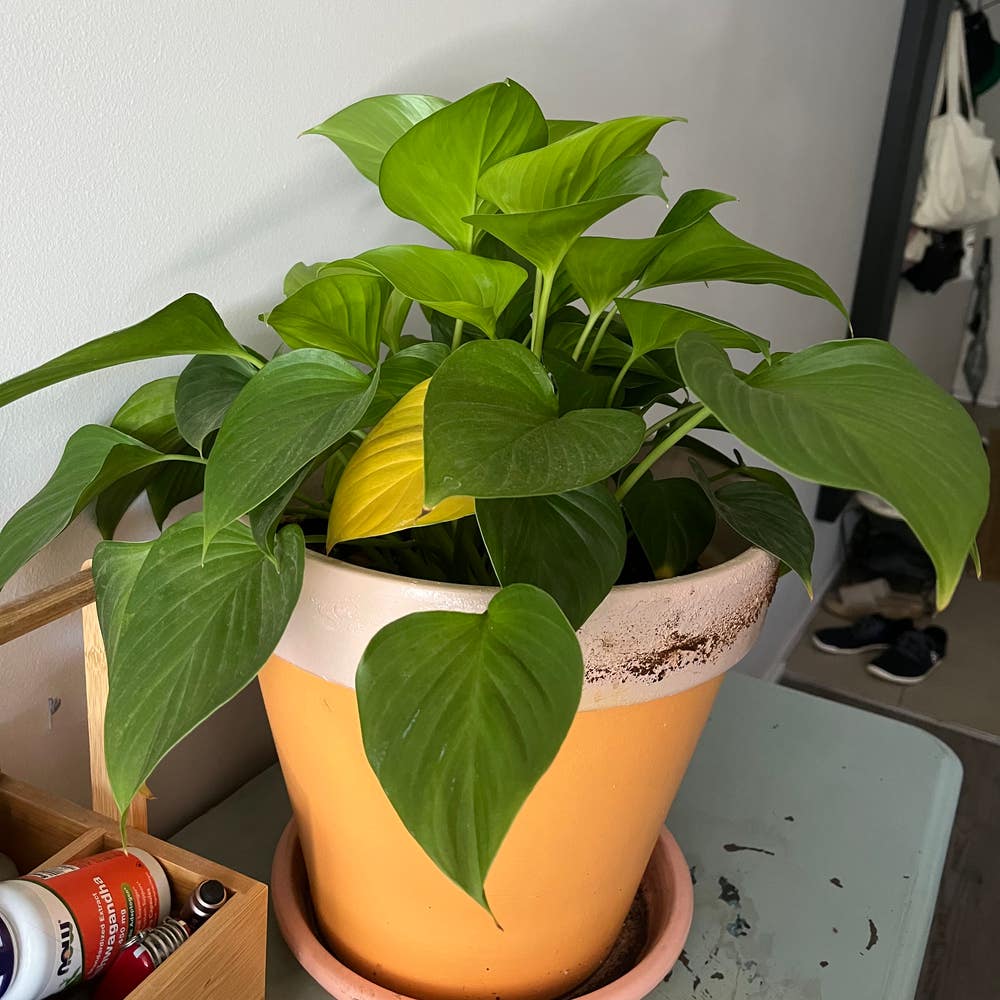
Propagating Homalomena rubescens 'Black': The Ultimate Guide
Homalomena rubescens 'Black'
By the Greg Editorial Team
Jun 06, 2024•5 min read
This article was created with the help of AI so we can cover more plants for you. May contain errors. See one? Report it here.
- 🌱 Spring is best for propagating Homalomena rubescens 'Black'.
- Division and stem cuttings are effective propagation methods.
- Sanitize tools, monitor growth, and adjust care for success.
Propagation Prep: When and How to Start
🌱 Choosing the Right Time
Spring is the prime time for propagating Homalomena rubescens 'Black'. This season offers the plant the full growing period to develop and strengthen.
🛠️ Preparing Your Tools and Space
Sanitize your propagation tools to prevent disease spread. Gather your essentials: sharp shears, a clean work surface, and rooting hormone for an extra edge. Ensure your space is sheltered from pets and drafts to protect your future plant babies.
Division: Multiplying Your Homalomena
🌱 Step-by-Step Division Process
Spring is the prime time for division, tapping into the plant's growth spurt. Start by giving your Homalomena a good drink a day before, to plump up those roots.
🌿 Initial Steps
Unpot the plant with a gentle touch, avoiding a root tug-of-war. Lay it out and let the root ball tell you where it's ready to split.
🔪 Separation Technique
With sterilized confidence, wield your knife and divide. Aim for each section to have a healthy mix of roots and leaves. It's plant surgery, so precision is key.
🌱 Post-Division Care
Immediately after the division, it's time to give your plant babies the VIP treatment.
🏺 Potting the Divisions
Choose pots that fit just right—not too snug, not too spacious. Replant the divisions at their original depth in a fresh, well-draining mix.
💧 The First Water
Water them generously to settle their new homes. This isn't just hydration; it's a welcome party for those roots.
🌞 Environment Matters
Keep them in a warm spot with bright, indirect light. Think of it as a recovery room where they can chill and grow.
👩🌾 Monitoring Growth
Keep an eye on them like a plant hawk. Adjust care as needed, ensuring they don't miss a beat in their growth rhythm.
Stem Cuttings: Growing New Roots
🌱 Taking the Perfect Cutting
To propagate Homalomena rubescens 'Black' through stem cuttings, start by selecting a vigorous stem. Ensure it's healthy, free of pests, and has several leaf nodes. With sterilized shears, make a clean cut just below a node. Strip the lower leaves to prevent rot and consider a dip in rooting hormone to kickstart root growth.
🌿 Rooting Your Cuttings
Rooting hormone isn't a must, but it's a leg up for your cuttings. After treating the cut end, plant it in a well-draining soil mix, ensuring at least one node is buried. Create a mini greenhouse by covering the pot with a plastic bag to maintain high humidity. Keep your setup in bright, indirect light and be patient—roots take time.
Offsets: Little Clones of Your Homalomena
🌱 Spotting and Harvesting Offsets
Offsets are the mini-me versions of Homalomena rubescens 'Black', ready to start a life of their own. Look for these plump youngsters snuggled up against the mother plant, sporting their own roots.
To harvest, sterilize your tools and gently separate the offsets, ensuring each has a root system. Think surgical precision, not lumberjack chops.
🌿 Planting and Initial Care
Now, pot your offsets. Choose a well-draining soil mix and a cozy pot that's snug, not cramped.
Rooting hormone? It's optional but can give your offsets a leg up in the rooting game. Let them callus over for a day before planting to prevent any unwanted microbial parties.
Water with a light touch; these babies dislike soggy feet. Place them in bright, indirect light and watch the magic happen. Remember, patience is a virtue, especially in the plant propagation biz.
Overcoming Propagation Pitfalls
🌱 Common Propagation Problems and Solutions
Non-rooting cuttings can be a real buzzkill. If your Homalomena's offspring aren't sprouting roots, it's time to play detective. Check the soil moisture—soggy soil is a no-go. Ensure the temperature is just right; think warm spring day, not a scorching summer afternoon. Sometimes, a little rooting hormone is the nudge your cuttings need to start growing those vital roots.
Division shock is like a bad hangover for plants. Your newly separated Homalomena might look a bit worse for wear, but don't lose hope. Maintain consistent moisture levels and provide some shade from intense light until they bounce back. It's like giving them a pair of sunglasses and a day to recover.
🌿 Monitoring and Adjusting Care
Keep a hawk's eye on your propagations. If growth is more sluggish than a sloth, reassess the lighting. Too dim and your plants might as well be trying to photosynthesize in a closet. Consider a nutrient boost if they're looking particularly lackluster. And remember, airflow is your friend—good circulation keeps those pesky fungal infections at bay.
Adjust one variable at a time. If your Homalomena cuttings are throwing a fit, don't throw in the towel. Tweak the humidity, or maybe they're just craving some more indirect sunlight. Patience is key; you're not microwaving popcorn, you're nurturing growth. And always, always keep those tools sterilized—it's basic plant hygiene.
Remember, every mishap is a learning opportunity. Your green thumb gets greener with each challenge.
⚠️ Safety First
This content is for general information and may contain errors, omissions, or outdated details. It is not medical, veterinary advice, or an endorsement of therapeutic claims.
Always consult a qualified healthcare professional before using any plant as food, medicine, or supplement.
Never eat any plant (or feed one to pets) without confirming its identity with at least two trusted sources.
If you suspect poisoning, call Poison Control (800) 222-1222, the Pet Poison Helpline (800) 213-6680, or your local emergency service immediately.
Spotted an error? Please report it here.
Propagate Homalomena 'Black' 🌱 effortlessly with Greg's personalized care reminders, ensuring your new plants thrive from division to potting.