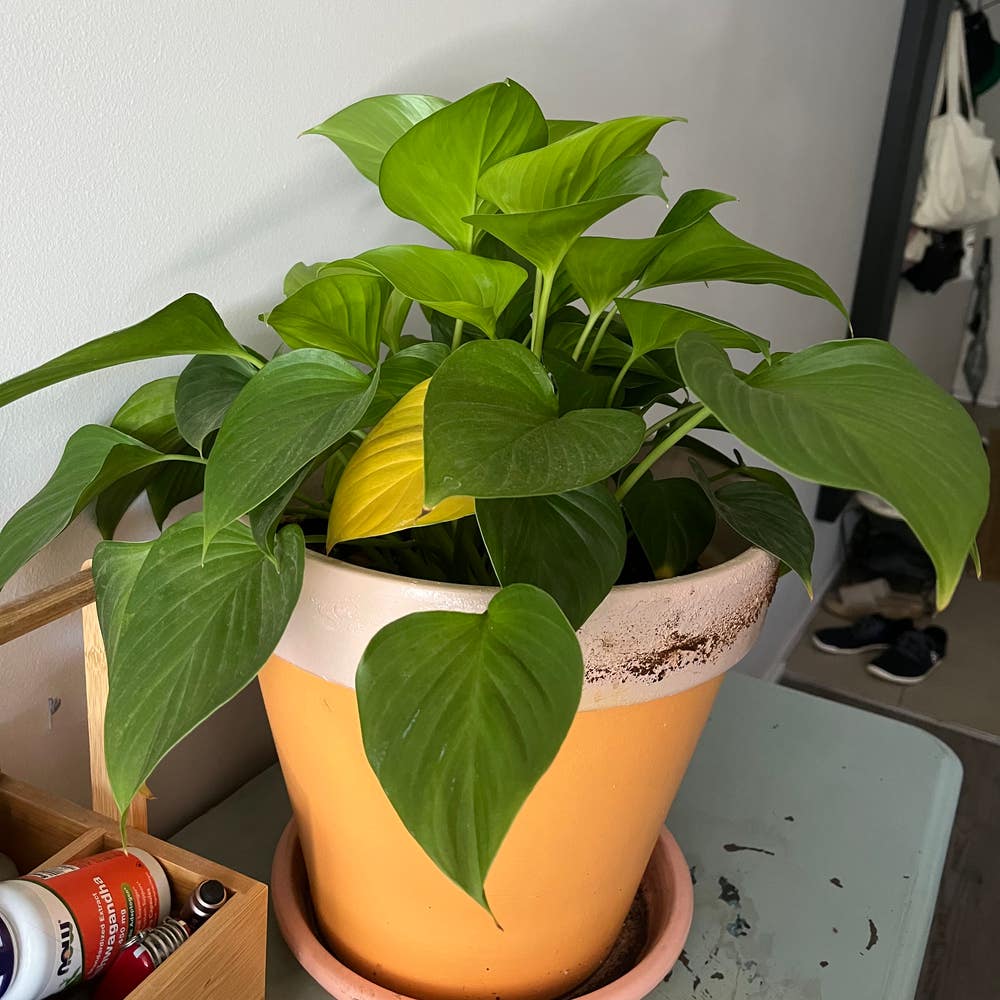
Light Requirements For My Homalomena rubescens 'Black'
Homalomena rubescens 'Black'
By the Greg Editorial Team
Jun 06, 2024•3 min read
This article was created with the help of AI so we can cover more plants for you. May contain errors. See one? Report it here.
- 🌤️ Bright, indirect light outdoors; morning or late afternoon sun preferred.
- 🏡 East or west-facing windows ideal indoors; use sheer curtains or grow lights.
- 💐 Adjust light for blooms: consistent schedule, 10-12 hours of artificial light.
Soaking Up the Sun: Outdoor Light Bliss
🌞 Finding the Sweet Spot
Bright, indirect light is the gold standard for Homalomena rubescens 'Black' when it's living the outdoor life. An east or west-facing spot strikes the right balance, with morning or late afternoon sun being the most gentle.
Avoid the midday sun's harshness; it's like a bad tan – too much and you're burnt. A dappled shade under a tree or next to a sheer-curtained window can prevent the dreaded leaf scorch.
Signs of a Happy Plant
When your Homalomena rubescens 'Black' is soaking up the right amount of sun, it's not shy about showing off. Vibrant foliage is your telltale sign – a visual high-five from your plant.
Lackluster leaves or a sunburnt appearance scream for a change. Keep an eye out for new growth, which is like a plant's way of giving a thumbs up for the light conditions.
Indoor Light Mastery for Homalomena rubescens 'Black'
🌞 The Right Rays Indoors
Achieving bright, indirect light indoors is like hitting the jackpot for your Homalomena rubescens 'Black'. It's the sweet spot between the Sahara at noon and a cave at midnight. East or west-facing windows are your best bet, offering that Goldilocks zone of sunlight. But when the sun's rays get a bit too enthusiastic, sheer curtains are the unsung heroes, softening the light to a gentle glow.
💡 When Nature Isn't Enough: Supplementing with Grow Lights
Sometimes, your indoor jungle needs a boost, and that's where grow lights come in. LEDs are the rock stars here, efficient and kind to your electric bill. They bathe your Homalomena rubescens 'Black' in a spectrum of light that's just right, without the heat that turns plants into toast. Aim for 10-12 hours of this artificial sunshine daily, and you'll see your plant strut its stuff. Remember to rotate your green buddy weekly to ensure it gets its fill from all angles.
Light and the Secret to Subtle Blooms
🌸 Does Light Affect Homalomena rubescens 'Black' Flowers?
Light is fundamental to the flowering of Homalomena rubescens 'Black', though its blooms are often as elusive as a well-kept secret. To unlock the potential for these subtle flowers, bright, indirect light is your best bet.
Adjusting light conditions can be like trying to find the perfect pitch in music; it needs to be just right. If you're aiming for blooms, consider placing your plant near a north-facing window or behind sheer curtains. This mimics the dappled sunlight of its natural habitat and can encourage the plant to flower.
💡 When Nature Isn't Enough: Supplementing with Grow Lights
Sometimes, despite your best efforts, the sun just doesn't cooperate. In such cases, grow lights can step in as understudies. They're not just a backup; they can be the main event for those living in less sunny locales.
For optimal results, keep your Homalomena rubescens 'Black' under artificial lighting for about 12 hours a day. This simulates the natural rhythm of daylight and can help coax out those reluctant blooms. Remember, consistency is key, so try to maintain a regular light schedule.
While flowers on this plant are a rare treat, the right light conditions can increase your chances of witnessing this spectacle. Keep an eye out for new growth, which might signal the start of a blooming period. If you're lucky enough to see flowers, it's a sign you've nailed the lighting conditions.
⚠️ Safety First
This content is for general information and may contain errors, omissions, or outdated details. It is not medical, veterinary advice, or an endorsement of therapeutic claims.
Always consult a qualified healthcare professional before using any plant as food, medicine, or supplement.
Never eat any plant (or feed one to pets) without confirming its identity with at least two trusted sources.
If you suspect poisoning, call Poison Control (800) 222-1222, the Pet Poison Helpline (800) 213-6680, or your local emergency service immediately.
Spotted an error? Please report it here.
Watch your Homalomena rubescens 'Black' flourish under optimal lighting 🌟 with Greg's tailored reminders for sun exposure and grow light schedules.