How Should Homalomena rubescens 'Black' Be Cut Back?
Homalomena rubescens 'Black'
By the Greg Editorial Team
Jun 06, 2024•4 min read
This article was created with the help of AI so we can cover more plants for you. May contain errors. See one? Report it here.
- 🌱 Prune in spring/early summer for best recovery and growth.
- ✂️ Use sharp, disinfected tools to shape and remove unhealthy growth.
- 🚫 Avoid over-pruning; never cut more than 1/3 of the plant.
When to Wield the Shears
🌱 Best Season for Pruning
Spring and early summer are the prime times for pruning Homalomena rubescens 'Black'. This period aligns with the plant's natural growth cycle, providing the best conditions for recovery and growth. Pruning during the plant's dormant phase can hinder its rest period, much like waking someone from a deep sleep.
🚦 Signs It's Time to Prune
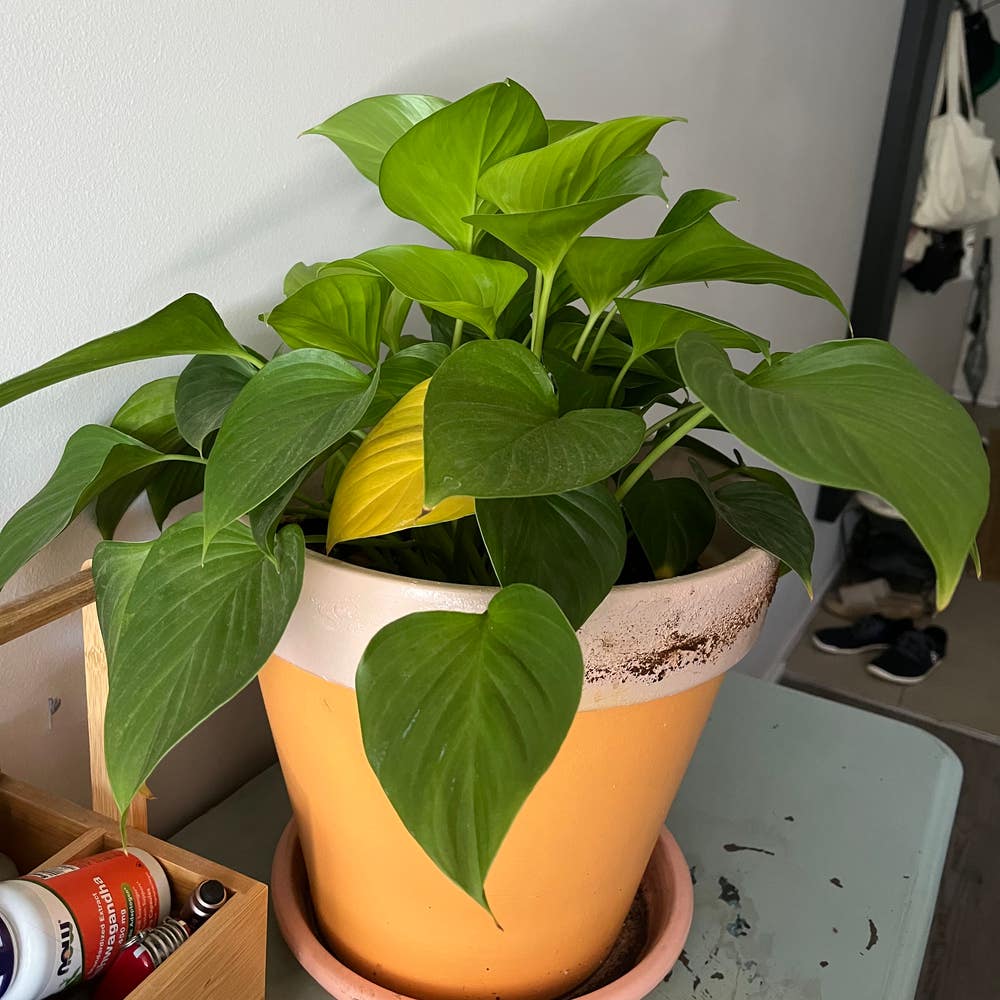
Yellow leaves or leggy stems are your plant's way of saying, "I need a haircut." These visual cues indicate that it's time to intervene. Brown or damaged leaves are not just unsightly; they're also draining the plant's resources. Spot these signs, and it's clear that your shears have a mission.
Getting Down to Business: Pruning Techniques
🛠️ Choosing Your Tools
Sharpness is your plant's best friend. Opt for pruning shears or a sharp knife for precision cuts. Before you start, disinfect your tools with rubbing alcohol or a bleach solution. This is like the hand sanitizer for your plant's health, preventing the spread of disease.
🎨 Aesthetic Pruning
When shaping your Homalomena rubescens 'Black', think of it as a sculptor eyeing a block of marble. Each snip should enhance its natural form. Use secateurs for fine-tuning, aiming for a balanced look. Remember, no more than 25% of the plant should be removed in one go. It's a trim, not a topiary.
💚 Health-First Pruning
Start with the 4 D's: dead, damaged, diseased, and deranged (growth that's going in all the wrong directions). Snip these offenders at their base to redirect energy to healthier growth. Clean cuts heal faster, so make each decision with the plant's vitality in mind. After all, a thriving plant is the foundation of any eye-catching aesthetic.
After the Snip: Post-Pruning Care
🌱 Immediate Aftercare
Immediately after pruning your Homalomena rubescens 'Black', vigilance is your new best friend. Remove all clippings and debris from the soil to fend off any opportunistic fungi looking for a place to crash. This isn't just about aesthetics; it's a critical step in disease prevention.
Watering should be done with precision—maintain your usual routine but keep an eagle eye on the soil's moisture. Overwatering post-prune is like offering a sugar rush to someone seeking a balanced diet—counterproductive. Hold off on fertilizers; your plant isn't ready for a full meal just yet. A light snack, perhaps a vitamin B complex, can be a comforting boost.
🌿 Long-Term Maintenance
In the long haul, your Homalomena rubescens 'Black' will need regular check-ups. Monitor for signs of new growth, which is your plant's way of giving you a high five. Adjust light exposure to avoid direct sunlight on those fresh cuts—they're sensitive.
Continue to keep the soil moist but not soggy; think of it as the Goldilocks zone for your plant's hydration needs. And when it comes to fertilization, ease back into it like one would ease into a hot bath—gradually and when the time is right.
Pruning Pitfalls: What Not to Do
🌿 Overzealous Cutting
Beware the snip-happy syndrome. It's tempting to keep going once you start pruning, but overdoing it can stress your Homalomena rubescens 'Black' more than a caffeine-fueled all-nighter stresses a college student. Moderation is key. Never remove more than one-third of the plant at a time; it's not a sprint, it's a marathon.
🩺 Ignoring Disease Prevention
Clean cuts are not just about aesthetics; they're crucial for the health of your plant. Think of your pruning tools as surgical instruments; they should be as sterile as an operating room. Dirty tools can spread disease faster than a viral tweet. After each cut, especially when removing diseased growth, sanitize your tools. It's like washing your hands; simple but life-saving.
⚠️ Safety First
This content is for general information and may contain errors, omissions, or outdated details. It is not medical, veterinary advice, or an endorsement of therapeutic claims.
Always consult a qualified healthcare professional before using any plant as food, medicine, or supplement.
Never eat any plant (or feed one to pets) without confirming its identity with at least two trusted sources.
If you suspect poisoning, call Poison Control (800) 222-1222, the Pet Poison Helpline (800) 213-6680, or your local emergency service immediately.
Spotted an error? Please report it here.
Trim your Homalomena rubescens 'Black' at the optimal time 🕒 with Greg's tailored reminders, ensuring a balanced and vibrant plant with every cut.