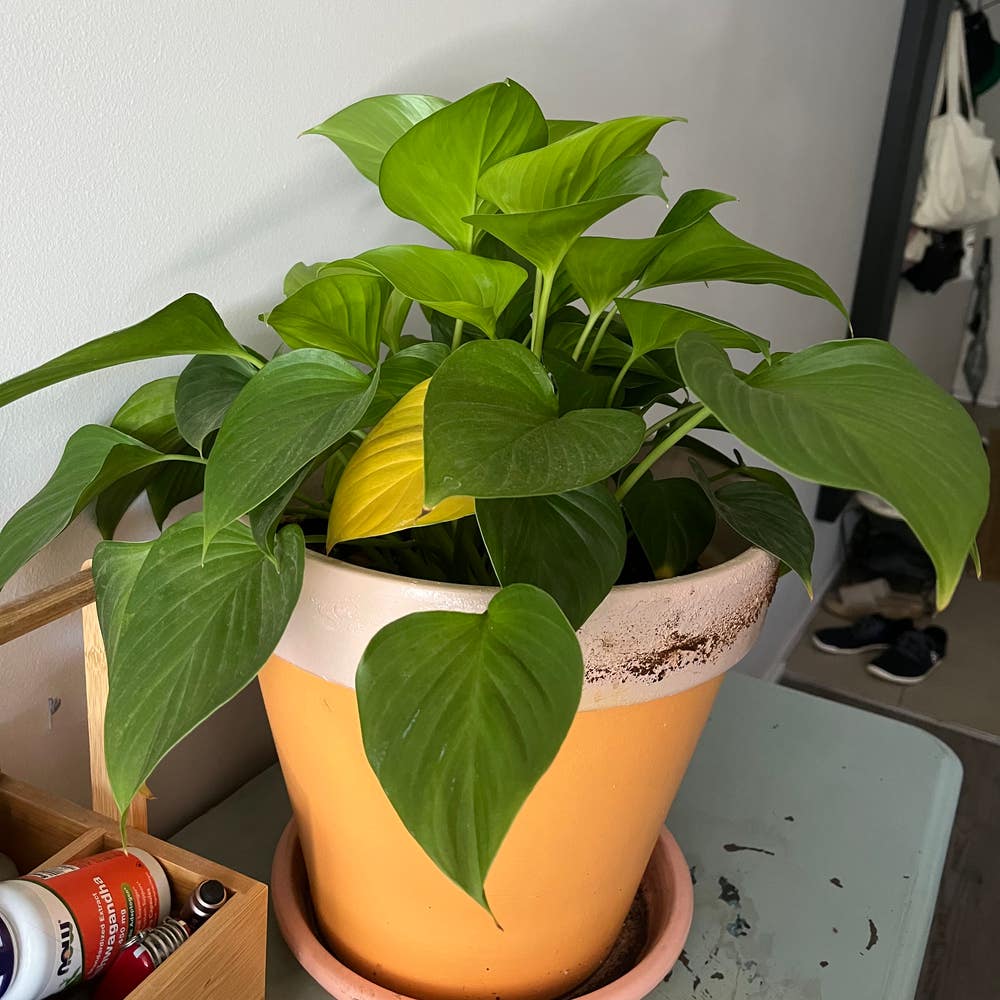
Common Homalomena rubescens 'Black' Problems
Homalomena rubescens 'Black'
By the Greg Editorial Team
Jun 06, 2024•5 min read
This article was created with the help of AI so we can cover more plants for you. May contain errors. See one? Report it here.
- 🌧️ Yellow leaves and mushy stems? Over-watering alert! Adjust your watering schedule.
- 🌞🍂 Crispy or burnt leaves? Too much sun or thirst—relocate and hydrate.
- 🌡️ Keep temperatures stable to prevent plant distress from heat or cold.
When Water Works Against You
💧 Over-watering Woes
Yellowing leaves and mushy stems are your Homalomena's cry for help; it's had more than its fill of water. To dry out the drama:
- Stop watering immediately to let the soil dry.
- If root rot is present, trim the damaged roots.
- Adjust your watering schedule to meet your plant's needs, not your calendar's.
💦 The Thirsty Plant Plight
When leaves turn as crispy as autumn leaves and stems wilt, your Homalomena is parched. Here's how to quench its thirst:
- Give your plant a thorough watering; make sure it's a deep drink, not just a sip.
- Wait until the top inch of soil dries out before the next watering—no sooner, no later.
Light and Shade Tango
🌞 Too Much Sun, Too Little Fun
Burnt leaves are your Homalomena's way of crying out for shade. If the foliage looks like it's been in a fryer, you've got a case of leaf scorching.
To find the sweet spot, observe your plant's reaction to its current placement and adjust accordingly. Bright, indirect light is the goal, not a full-on solar embrace.
🌑 The Dim Dilemma
When your Homalomena's growth seems to sulk in the shadows, it's a sign of inadequate light. Leggy stems and dull leaves are the plant's plea for more lumens.
Adjust your plant's sunbathing routine to a brighter spot where it can luxuriate in light without the risk of overexposure. Remember, as the seasons change, so should your plant's position to maintain that perfect light equilibrium.
Temperature Tantrums
🌡️ Hot and Cold Flashes
Leaves in distress are temperature stress billboards. They droop, discolor, or halt growth when unhappy with the climate.
🌬️ Keeping it Cool (or Warm)
Stabilizing your plant's climate is about avoiding the extremes. Consistent temperatures keep your Homalomena rubescens 'Black' from throwing a fit.
- Heat Stress: Brown, crispy leaf edges? That's a cry for less heat. Move your plant away from that intense sunbeam or create some shade.
- Cold Stress: Yellowing, wilting leaves? They're begging for a warmer spot. Keep your plant clear of drafty windows and away from the air conditioner's arctic blast.
Grouping plants can help buffer against temperature swings. Consider a pebble tray to add moisture and warmth. Remember, your Homalomena signed up for tropical vibes, not a weather rollercoaster.
The Unseen Underground Enemy: Root Rot
🚨 Signs of the Soil's Sorrow
Root rot is the silent saboteur lurking beneath the soil, often going unnoticed until it's too late. The first red flags are a plant's growth hitting the brakes and leaves that have the texture of overripe fruit. If you spot these symptoms, it's time to play plant detective.
🔍 Unearthing the issue: Detecting root rot before it's too late
When your Homalomena rubescens 'Black' starts to look like it's lost its will to live, don't just stand there—dig a little deeper. Yellowing leaves and stunted growth are your plant crying out for help. Gently unearth the roots and check for a gothic transformation—dark and slimy is a bad sign.
⛑ From the ground up: Reviving your plant's foundation
If you've discovered root rot, it's time for some underground surgery. Remove the plant from its pot and shake off the excess soil. Healthy roots are firm and white, while rotten ones are the stuff of nightmares—mushy and dark. Snip the bad parts away with sterilized shears, and repot in fresh, well-draining soil. Remember, when it comes to watering, think of Goldilocks—not too much, not too little, just right.
The Attack of the Invaders: Pests and Pathogens
🐛 Pests on Parade
Homalomena rubescens 'Black' may attract a few too many admirers in the form of pests. Aphids, mealybugs, and spider mites are the usual suspects. These freeloaders can be spotted by their sticky residue, cotton-like clumps, or fine webbing.
🚪 Unwanted Guests
To spot these pests, turn detective and inspect the undersides of leaves and stems. Look for discoloration, stickiness, or tiny movements.
🚫 Eviction Notice
Once you've identified the culprits, it's time to show them the door. A strong blast of water can dislodge many pests. For stubborn squatters, insecticidal soap or neem oil can be effective. These treatments act like a firm but polite bouncer, ensuring pests get the message.
🍄 Fungus Among Us
Fungal issues often start with a party of one—a single spore. Left unchecked, they can turn into a full-blown rave on your plant's leaves.
🕵️♂️ Mold Marks the Trouble
Look out for fuzzy growths or black spots, the tell-tale signs of a fungal fiesta. A musty smell is another dead giveaway that mold has made itself at home.
💨 Clearing the Air
To clear the air, start by improving airflow and reducing moisture. If the situation has escalated, consider a fungicidal treatment. Remember, it's like handling explosives—follow the instructions to the letter. Regular clean-ups and avoiding wet foliage can prevent these issues before they start.
Keep in mind, the best defense is a good offense. Regular check-ups are like neighborhood watch for your plant—keeping the peace and maintaining order.
⚠️ Safety First
This content is for general information and may contain errors, omissions, or outdated details. It is not medical, veterinary advice, or an endorsement of therapeutic claims.
Always consult a qualified healthcare professional before using any plant as food, medicine, or supplement.
Never eat any plant (or feed one to pets) without confirming its identity with at least two trusted sources.
If you suspect poisoning, call Poison Control (800) 222-1222, the Pet Poison Helpline (800) 213-6680, or your local emergency service immediately.
Spotted an error? Please report it here.
Keep your Homalomena rubescens 'Black' thriving 🌿 with Greg's custom care plans that tackle everything from watering woes to seasonal shifts.