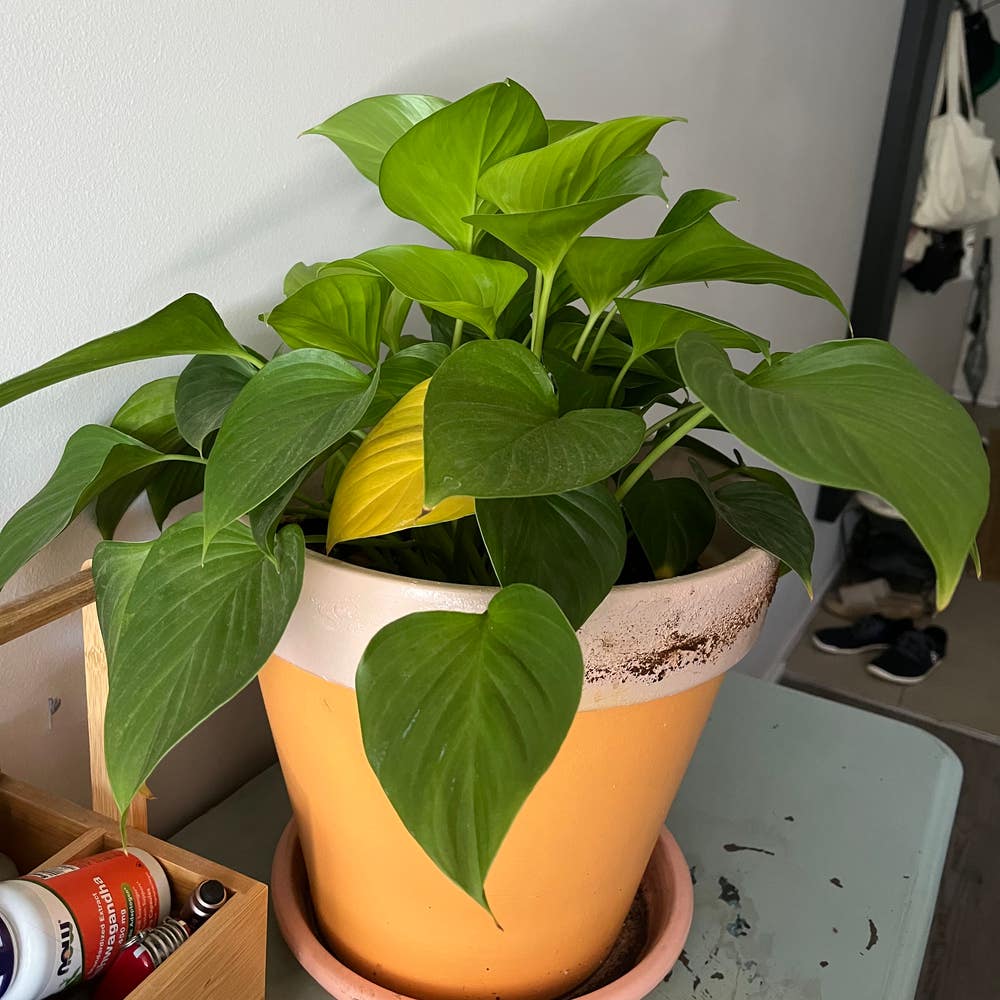
Why Are My Homalomena rubescens 'Black' Leaves Falling Over?
Homalomena rubescens 'Black'
By the Greg Editorial Team
Jun 06, 2024•2 min read
This article was created with the help of AI so we can cover more plants for you. May contain errors. See one? Report it here.
- Early stress signs: Discoloration and decreased vigor hint at issues.
- Water and light balance: Over/underwatering and incorrect lighting cause drooping.
- Pests and nutrients matter: Regular checks and balanced feeding prevent leaf fall.
Spotting the Trouble Signs
🚨 Early Indicators of Stress
Leaf discoloration and a decrease in growth vigor are your Homalomena rubescens 'Black' whispering for help. These subtle changes are the plant's way of clearing its throat before a full-on SOS. Curling leaves or those with spots are red flags waving high for attention.
Assessing Plant Stability
Check the stem and root health for clues to your plant's drooping demeanor. A robust root system is like a plant's personal trainer, keeping those leaves standing tall. If the roots are weak, your plant's leaves are bound to take a tumble.
Zeroing in on the Culprits
💧 The Overwatering Pitfall
Soggy soil is a silent killer for Homalomena rubescens 'Black'. When the earth clings to your fingers like a bad habit, it's a sign of overindulgence. Roots drowning in excess moisture are prone to rot, which can send your plant into a downward spiral. Yellow leaves and a musty smell are the distress signals of overwatering.
🏜️ The Thirsty Plant Syndrome
Conversely, leaves that crisp up like overcooked bacon suggest your plant's begging for a drink. The goal is to achieve a soil moisture level that's akin to a perfectly damp sponge—neither a desert nor a swamp. It's about striking a balance that respects the plant's need for hydration without going overboard.
🌞 Light: Finding the Sweet Spot
Homalomena rubescens 'Black' doesn't aspire to be a sun god nor a creature of the dark. It needs that Goldilocks zone of lighting—just right. Too much sun and the leaves throw in the towel, too little and they'll sag in protest. Adjust your plant's position to avoid the extremes and watch for signs of discontent.
🍽️ The Nutrient Balancing Act
Nutrients are the unsung heroes keeping your Homalomena upright. A deficiency might manifest as leaves that look more tired than a Monday morning. Yellowing leaves with dark-green veins scream for a balanced diet. Too much fertilizer, though, and you'll see a salt buildup on the soil, as welcome as a tax audit.
🐜 Unwanted Guests: Pests and Diseases
Pests and diseases are like uninvited party crashers, wreaking havoc on your plant's stability. Look out for the telltale signs of infestation: leaves that sport more spots than a Dalmatian or stems that seem softer than your favorite pillow. Early detection is key—inspect regularly and act fast to evict these freeloaders.
⚠️ Safety First
This content is for general information and may contain errors, omissions, or outdated details. It is not medical, veterinary advice, or an endorsement of therapeutic claims.
Always consult a qualified healthcare professional before using any plant as food, medicine, or supplement.
Never eat any plant (or feed one to pets) without confirming its identity with at least two trusted sources.
If you suspect poisoning, call Poison Control (800) 222-1222, the Pet Poison Helpline (800) 213-6680, or your local emergency service immediately.
Spotted an error? Please report it here.
Ensure your Homalomena rubescens 'Black' remains upright and robust 🌿 with Greg's personalized care plan, alerting you to the perfect water, light, and nutrient mix to avoid those dreaded droopy leaves.