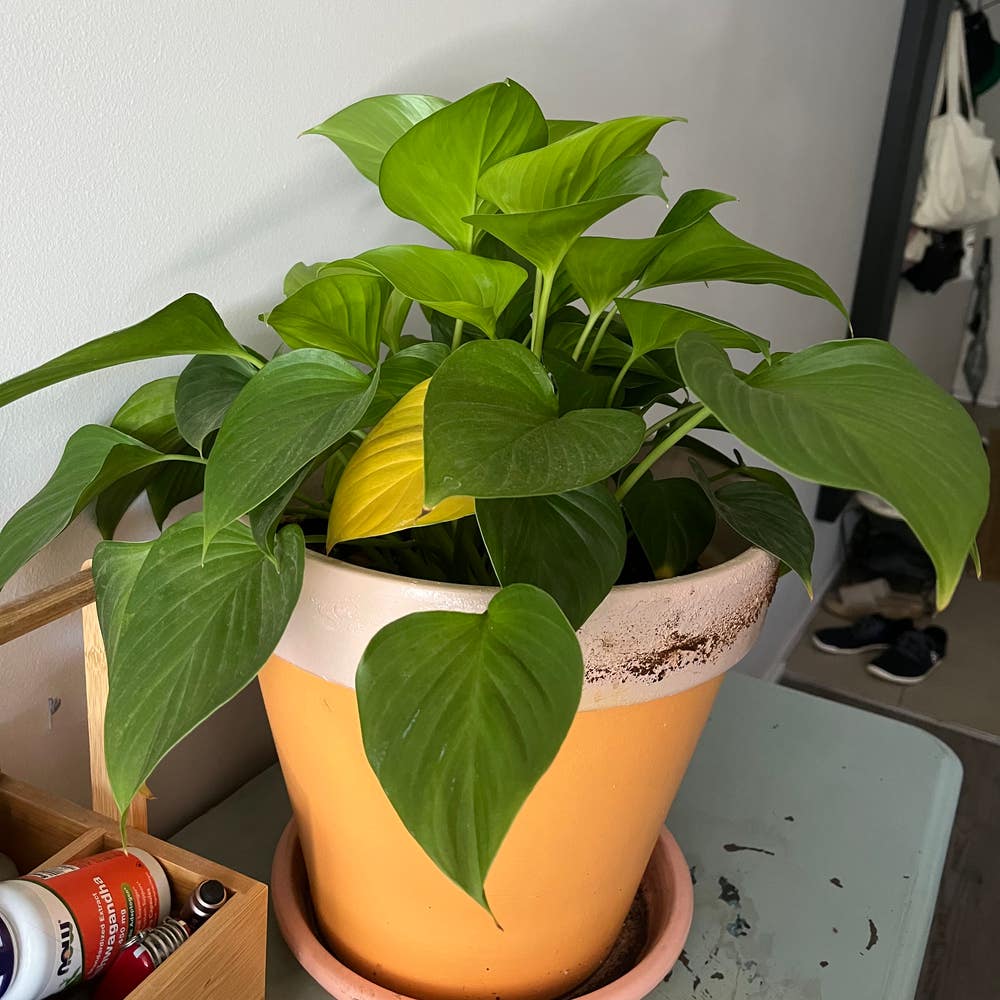
🐛 What To Do About Bugs on My Homalomena rubescens 'Black'?
Homalomena rubescens 'Black'
By the Greg Editorial Team
Jun 06, 2024•3 min read
This article was created with the help of AI so we can cover more plants for you. May contain errors. See one? Report it here.
- 🕸️ Identify pests like spider mites by webbing and faded leaves.
- Combat common pests with neem oil, alcohol swabs, or insecticidal soap.
- Prevent infestations with regular monitoring and eco-friendly controls.
The Usual Suspects: Identifying Common Pests
🕷️ Spider Mites
Spotting the Web
Tiny webbing on your Homalomena rubescens 'Black' is a dead giveaway for spider mites. These minuscule critters, often red or green, wreak havoc by sucking out plant juices. Look for leaves with a speckled or faded appearance.
Wiping Them Out
To combat these pests, isolate your plant to prevent spreading. Increase humidity, as spider mites despise moisture. Wipe leaves with a miticide or neem oil. For a non-chemical approach, introduce natural predators like ladybugs.
🛡️ Scale Insects
Sticky Situation
Scale insects are masters of disguise, resembling small bumps on stems and leaves. Their presence is betrayed by a sticky residue they leave behind. If you see clusters of brown spots, you might be facing a scale infestation.
Scraping Off the Scales
Physically remove scales using gloves and a cotton swab dipped in alcohol. Smother them with neem or horticultural oil. In dire situations, a systemic insecticide may be necessary.
🦟 Fungus Gnats and Fruit Flies
Fungus Among Us
Fungus gnats look like tiny mosquitos, while fruit flies are more robust. Overwatered soil is a paradise for these pests. If you see them buzzing around, it's time to take action.
Clearing the Air
Dry out the soil to discourage gnats and flies. Use sticky traps to catch adults and apply Bacillus thuringiensis (Bt) to target larvae. Ensure proper drainage to prevent future infestations.
🐞 Mealybugs
Cottony Clusters
Mealybugs are the party crashers leaving fluffy, white deposits on your plant. These pests hide in nooks and crannies, making them tricky to spot.
Mealybug Meltdown
Dab individual bugs with alcohol-soaked cotton swabs. Apply insecticidal soap or neem oil for larger infestations. Keep an eye out for ants, as they farm mealybugs for honeydew.
When Pests Aren't Textbook: Dealing with Other Invaders
🕵️ Unusual Suspects: How to Deal with Less Common or Unidentified Pests
Sometimes, your Homalomena rubescens 'Black' might attract unconventional pests. If you're squinting at a bug you can't identify, it's time to play detective. Check under leaves and in the nooks and crannies of your plant. If you find an odd-looking critter, snap a photo and hit up online forums or local experts for an ID.
🛡️ The General Defense: Broad-Spectrum Solutions for Pest Control
When you're facing an unidentified pest, or one that's not responding to targeted treatments, consider a broad-spectrum approach. Insecticidal soaps and neem oil can be your first line of defense. They're like bouncers at the club, keeping the riff-raff out without the drama of harsh chemicals.
🦗 Introducing Natural Predators
If you're into the eco-friendly vibe, welcome some beneficial insects to the party. Ladybugs and praying mantises are like the cool kids that eat pests for breakfast. They're not just good for the environment; they're a low-maintenance solution to your pest problem.
🚨 When to Escalate
If the invaders are throwing a rave and won't leave, it's time to consider systemic insecticides. These are the heavy hitters that work from the inside out. But remember, they're the last resort, like calling your parents when the party's out of control. Use them sparingly and according to the label.
👀 Stay Vigilant
After you've dealt with the pests, don't just chill. Keep an eye on your Homalomena rubescens 'Black' like it's the quiet kid at the party who might suddenly go wild. Regular monitoring helps you spot any resurgence of pests and nip it in the bud. It's not over until it's over, so stay on your toes.
Section
⚠️ Safety First
This content is for general information and may contain errors, omissions, or outdated details. It is not medical, veterinary advice, or an endorsement of therapeutic claims.
Always consult a qualified healthcare professional before using any plant as food, medicine, or supplement.
Never eat any plant (or feed one to pets) without confirming its identity with at least two trusted sources.
If you suspect poisoning, call Poison Control (800) 222-1222, the Pet Poison Helpline (800) 213-6680, or your local emergency service immediately.
Spotted an error? Please report it here.
Eradicate pests from your Homalomena rubescens 'Black' with customized care alerts 🛡 from Greg, ensuring your plant stays healthy and bug-free!