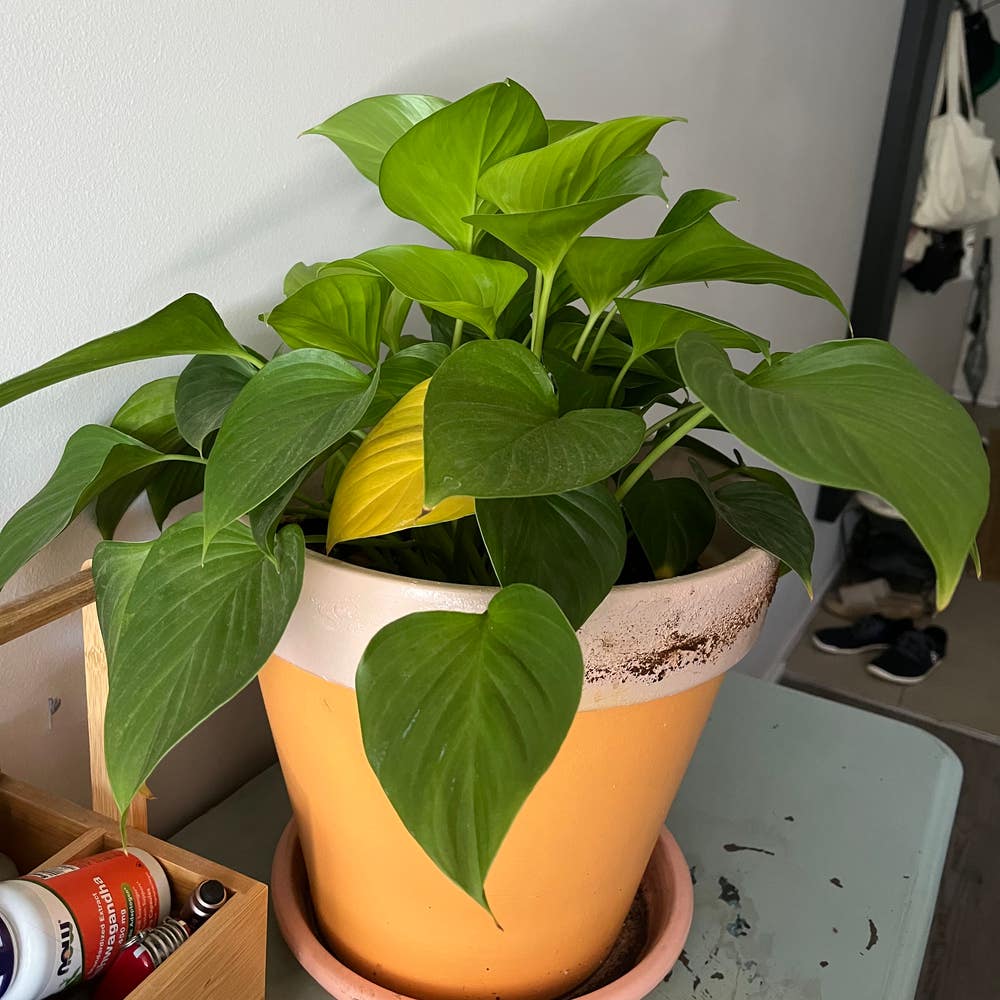
💧 Why Are My Homalomena rubescens 'Black' Leaves Mushy?
Homalomena rubescens 'Black'
By the Greg Editorial Team
Jun 06, 2024•2 min read
This article was created with the help of AI so we can cover more plants for you. May contain errors. See one? Report it here.
- 🌱 Early detection of mushiness prevents further damage to Homalomena rubescens 'Black'.
- 💧 Consistent watering and well-draining soil are crucial for plant health.
- 🌡️ Right humidity, temperature, and light maintain healthy leaves.
Spotting Trouble Early On
🚨 Recognizing the Signs
Early detection of mushy leaves in Homalomena rubescens 'Black' is akin to catching a cold before it turns into pneumonia. Discoloration and a soft, spongy texture are your red flags. Regular leaf inspections are your best defense, turning you into a plant detective on the lookout for the slightest hint of distress.
🌡️ Environmental Checks
Humidity and temperature are the stagehands of your plant's performance, working behind the scenes to ensure a show-stopping display. Keep them in check to avoid a mushy leaf melodrama. Use a hygrometer to ensure the air isn't too moist or too dry, and maintain a stable temperature to prevent your Homalomena from throwing a fit.
The Role of Light
Your Homalomena rubescens 'Black' craves bright, indirect light like a cat seeks a sunny windowsill. Too much direct sunlight and you'll have a scorched starlet on your hands; too little, and it'll stretch and sulk. Keep the lighting consistent, and you'll have a happy, healthy plant basking in just the right amount of glow.
Section
Turning Things Around
💧 Watering Wisdom
Consistency is key. Homalomena rubescens 'Black' prefers soil that's moist, not soggy. Check the top inch of soil for dryness before watering. If it clings to your finger like a reluctant handshake, wait before watering. Use room temperature water and ensure it drains freely from the pot's bottom.
🌱 Soil and Roots Revival
Well-draining soil is a non-negotiable for Homalomena rubescens 'Black'. A mix of potting soil, perlite, and orchid bark should do the trick. Root inspections are like routine check-ups; do them regularly. If roots look more tangled than headphones in a pocket, it's time to repot.
⚠️ Safety First
This content is for general information and may contain errors, omissions, or outdated details. It is not medical, veterinary advice, or an endorsement of therapeutic claims.
Always consult a qualified healthcare professional before using any plant as food, medicine, or supplement.
Never eat any plant (or feed one to pets) without confirming its identity with at least two trusted sources.
If you suspect poisoning, call Poison Control (800) 222-1222, the Pet Poison Helpline (800) 213-6680, or your local emergency service immediately.
Spotted an error? Please report it here.
Prevent mushy leaves in your Homalomena rubescens 'Black' with Greg's custom care reminders 🛡️, ensuring the perfect balance of humidity, light, and watering for your plant's health.