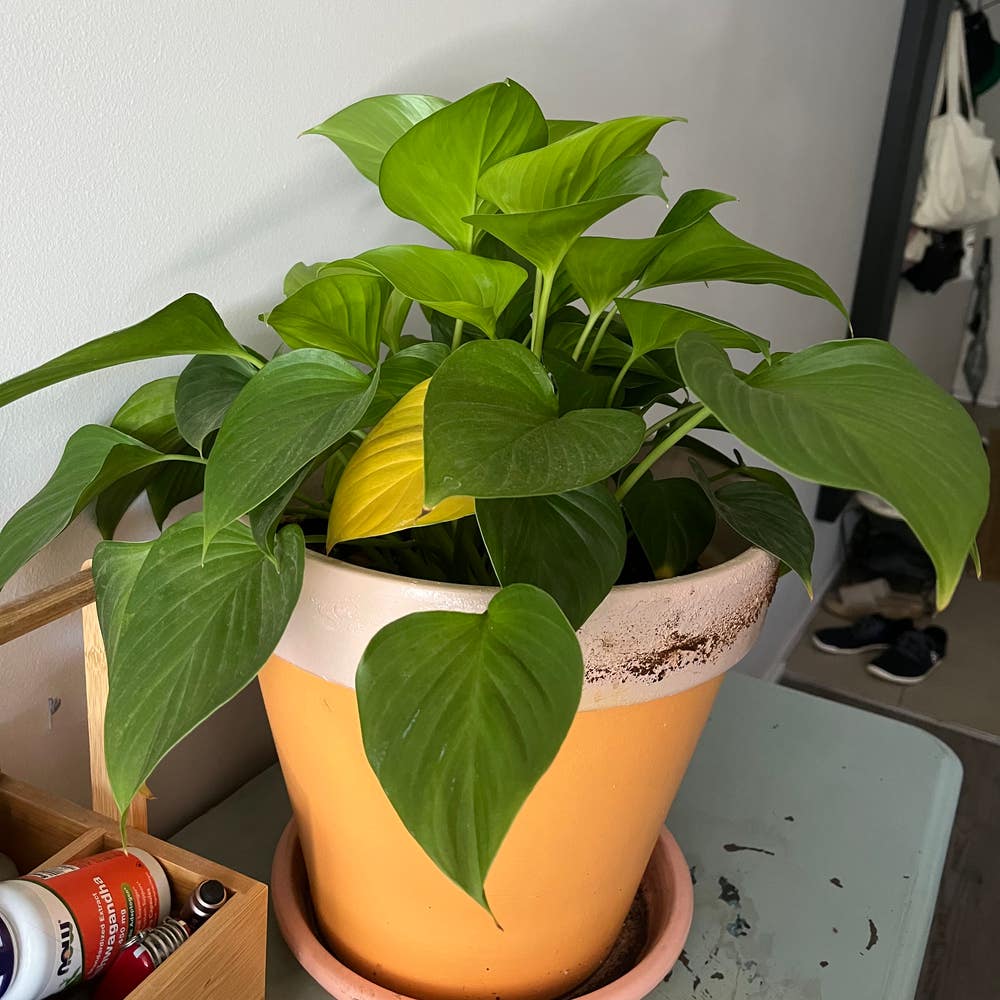
How Much Should I Water My Homalomena rubescens 'Black'?
Homalomena rubescens 'Black'
By the Greg Editorial Team
Jun 06, 2024•4 min read
This article was created with the help of AI so we can cover more plants for you. May contain errors. See one? Report it here.
- Wilting leaves, dry soil? Time to water your Homalomena.
- 🌡️ Seasons change, so does watering - adjust your routine.
- 🚫 Avoid over and underwatering - check soil, use room-temp water.
When to Water Your Homalomena Rubescens 'Black'
💧 Spotting the Signs of Thirst
Wilting leaves on your Homalomena rubescens 'Black' are a red flag; they're practically shouting for water. If the leaves feel like crumpled paper and the soil is as parched as a desert, it's time to act. Check the soil; if it's dry beyond the top inch, your green buddy is thirsty. Use your finger or a moisture meter to gauge the soil's moisture level—think of it as your plant's personal hydration monitor.
🌦 Seasonal Watering Shifts
Your Homalomena's water needs change with the seasons. In winter, water less—your plant's growth is on a slow-mo mode. Come summer, it's all systems go, and your plant will need more frequent watering. It's like switching from a winter coat to summer shorts for your plant. Keep an eye on the temperature and light conditions, as these will also signal when it's time to water.
How to Water Your Homalomena Rubescens 'Black'
💧 Perfecting Your Pour
Watering your Homalomena rubescens 'Black' is less about frequency and more about technique. Check the soil before you water—aim for a consistency that's moist, not soggy. If the top inch feels dry, it's time to hydrate. Pour slowly at the base of the plant, ensuring the water reaches the roots without turning the pot into a mini swamp.
🌡️ Temperature and Quality of Water
Room temperature water is the sweet spot for your Homalomena's comfort. Cold water can shock the roots, while hot water is a no-no. And let's talk purity—filtered or distilled water is your plant's best friend, free from the harsh chemicals found in tap water that can lead to a frown on those glossy leaves.
Common Watering Pitfalls to Avoid
💦 Overwatering Woes
Overwatering is like giving your plant an all-access pass to a water park—fun at first, but eventually, everything gets waterlogged. Yellowing leaves and a general look of unhappiness are your plant's way of saying, "Help, I'm drowning!" If the soil feels more like a wet sponge than a nurturing environment, it's time to cut back on the H2O.
To remedy this, first, stop watering and let the soil dry out. Check the pot for proper drainage; if it's inadequate, consider repotting with a well-draining mix. Trim any rotten roots to prevent further damage. Remember, your Homalomena rubescens 'Black' isn't training for a swim meet; it just needs a drink now and then.
🏜️ Underwatering and Plant Stress
On the other end of the spectrum, underwatering turns your Homalomena into a sad, wilted shadow of its former self. If the top inch of soil feels like a desert, it's time to quench that thirst. But don't go from drought to deluge; water slowly and deeply, allowing the plant to hydrate at a comfortable pace.
Consistency is key—establish a routine that takes into account the dryness of the soil and the plant's response. If the leaves perk up after watering, you're on the right track. If they remain droopy, it's a sign that your watering schedule needs tweaking. Your Homalomena isn't looking for a thrill ride of feast or famine; it craves a steady supply of moisture.
Tailoring Watering to Your Environment
💧 Humidity and Your Homalomena
Indoor humidity is a silent influencer on your Homalomena rubescens 'Black'. High humidity can decrease the frequency of watering, while a drier environment demands a more diligent watering schedule. Monitor the ambient moisture and adjust accordingly.
🌱 The Impact of Pot Size and Type
Pot selection is crucial for managing moisture. Terracotta pots wick away moisture, requiring more frequent watering, whereas plastic pots retain water, reducing the need for constant hydration. Pot size also matters; smaller pots dry out faster, so they'll need water more often than larger ones. Choose wisely to maintain the perfect balance for your Homalomena.
⚠️ Safety First
This content is for general information and may contain errors, omissions, or outdated details. It is not medical, veterinary advice, or an endorsement of therapeutic claims.
Always consult a qualified healthcare professional before using any plant as food, medicine, or supplement.
Never eat any plant (or feed one to pets) without confirming its identity with at least two trusted sources.
If you suspect poisoning, call Poison Control (800) 222-1222, the Pet Poison Helpline (800) 213-6680, or your local emergency service immediately.
Spotted an error? Please report it here.
Keep your Homalomena rubescens 'Black' perfectly hydrated and happy 🌿 with Greg's custom watering reminders tailored to your plant's needs and your home's environment.