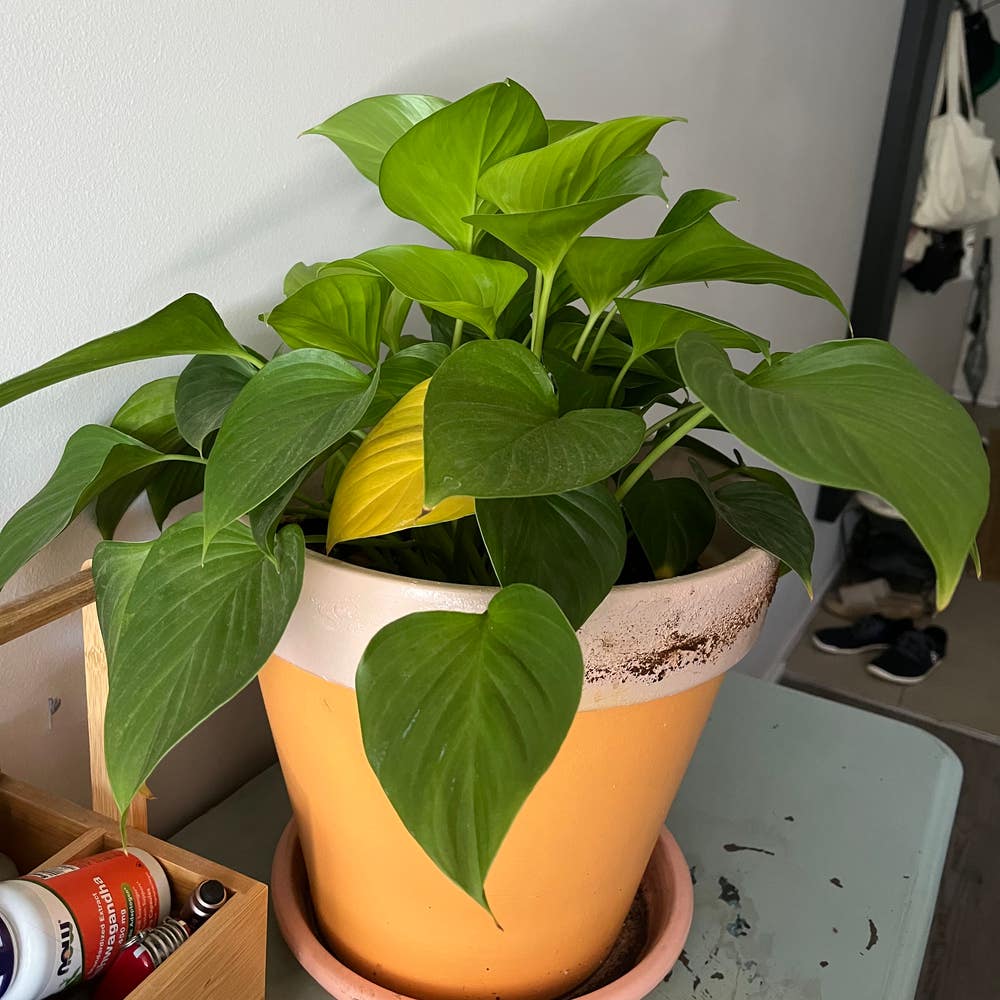
😔 Why Are My Homalomena rubescens 'Black' Leaves Droopy?
Homalomena rubescens 'Black'
By the Greg Editorial Team
Jun 06, 2024•4 min read
This article was created with the help of AI so we can cover more plants for you. May contain errors. See one? Report it here.
- Overwatering? Ease up! Yellow leaves mean too much water.
- Underwatered? Drink up! Crispy leaves need a deep watering.
- Sunlight and temperature matter for droop-free Homalomena rubescens 'Black'.
Spotting the Signs of Droopy Leaves
🌊 Recognizing Overwatering Symptoms
Yellowing leaves are your first clue; they're not going for a golden autumn look. If the soil feels more like a swamp than a garden, it's time to ease up on the H2O. Check for a soggy base—your plant's roots aren't snorkeling enthusiasts.
🏜️ Underwatering Telltales
When leaves mimic crispy fall decorations, it's a cry for water. Touch the soil; is it drier than a stand-up comedian's wit? That's your cue to give it a deep, quenching drink. Remember, a light pot is a thirsty pot.
🌞 Light and Temperature Warning Signals
Droopy leaves can also be drama queens reacting to the spotlight. Too much sun and they'll scorch; too little, and they'll sulk. Keep the temperature steady—plants are no fans of surprise weather parties. Adjust your care to the season's rhythm, because your plant's needs change like the latest trends.
Nailing the Watering Routine
💧 Finding the Sweet Spot
Watering your Homalomena rubescens 'Black' is a balancing act. To prevent droopy leaves, let the top inch of soil dry out before watering again. Consistency is key; use your finger or a soil moisture meter to gauge when it's time for a drink.
💦 The Right Way to Water
When it's time to water, think of the soil as a wrung-out sponge—it should be moist, not sopping wet. Water until it starts to drain from the bottom, ensuring even distribution. Avoid letting your plant sit in water; soggy conditions are a no-go. Remember, your plant's hydration needs will shift with the seasons and your home's humidity levels. Adjust as needed, and consider a humidifier or pebble tray to keep the air around your plant stable.
Creating the Ideal Environment
💡 Lighting It Right
Bright, indirect sunlight is the sweet spot for Homalomena rubescens 'Black'. Direct beams can be harsh—like an overzealous spotlight—so aim for a location that mimics a shaded canopy. Rotate your plant periodically to ensure even growth; it's like giving all sides of the plant a chance to bask in the limelight.
Keeping the Temperature Just Right
Consistency is your plant's best friend when it comes to temperature. Aim for a steady range between 65-75°F (18-24°C). Avoid placing your green buddy near heat sources or drafty windows, as sudden temperature changes are as unwelcome as a cold shower. Think of maintaining the ideal temperature as setting the thermostat for a day at home—comfortable, without wild fluctuations.
When It's Time to Repot
🌱 Recognizing Root Bound Symptoms
Roots peeking out of the pot's bottom? Soil disappearing faster than your last paycheck? These are the tell-tale signs your Homalomena rubescens 'Black' is root bound. If your watering routine feels like pouring water into a sieve, or if your plant's growth has plateaued, it's time to give those roots a new home. Yellow leaves or a general look of despair? Don't just stand there; your plant's begging for a change of scenery.
🏡 The Repotting Process
Spring is your plant's moving day, coinciding with its natural growth spurt. Before you start, ensure you have a new pot that's just the right size—bigger, but not too big. Here's how to repot without causing a plant meltdown:
- Gently remove your plant from its current pot, being mindful of the tangled roots.
- Shake off the old soil and untangle the roots. A little breakage is okay; it encourages new growth.
- Place a layer of fresh potting mix in the new pot and position your plant's roots on top.
- Backfill with more soil, pressing down to eliminate air pockets. Leave some space at the top for watering.
- Water your plant to help it settle in, but don't drown it on the first day.
Remember, repotting is like a major surgery for your plant. It's a shock to the system, so only do it when necessary. After the move, give your plant some TLC and watch it return the favor with luscious, perky leaves.
⚠️ Safety First
This content is for general information and may contain errors, omissions, or outdated details. It is not medical, veterinary advice, or an endorsement of therapeutic claims.
Always consult a qualified healthcare professional before using any plant as food, medicine, or supplement.
Never eat any plant (or feed one to pets) without confirming its identity with at least two trusted sources.
If you suspect poisoning, call Poison Control (800) 222-1222, the Pet Poison Helpline (800) 213-6680, or your local emergency service immediately.
Spotted an error? Please report it here.
Revive your Homalomena rubescens 'Black' with luscious leaves 🌿 by letting Greg tailor your plant's care routine for watering, sunlight, and repotting needs.