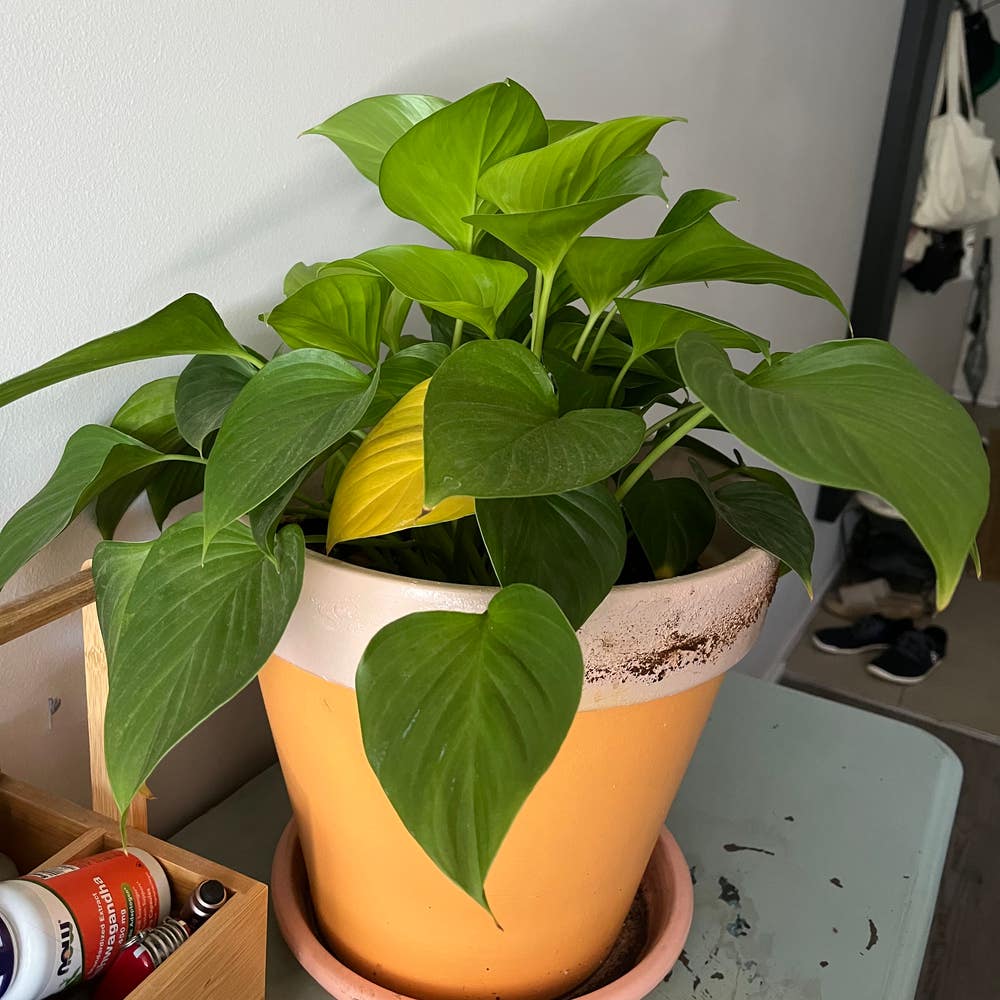
Best Soil Potting Mix for Homalomena rubescens 'Black'
Homalomena rubescens 'Black'
By the Greg Editorial Team
Jun 06, 2024•5 min read
This article was created with the help of AI so we can cover more plants for you. May contain errors. See one? Report it here.
- Moldy and waterlogged soil harm Homalomena rubescens 'Black'; improve drainage and aeration.
- Peat moss, perlite, coarse sand, and organic potting soil are key to a healthy soil mix.
- Homemade vs. store-bought: tailor soil to your plant's needs or choose convenience.
Spotting and Fixing Unhappy Soil
🚱 Signs Your Soil is Under the Weather
Moldy mishaps in your Homalomena rubescens 'Black' soil are a no-go. It's not just a visual blunder; it's a sign of excess moisture and poor air circulation. If the soil's scent is reminiscent of forgotten leftovers, you've got a red flag waving for potential root rot.
Wilting leaves and a soggy feel? That's your cue for waterlogged soil. A greenish-white fuzz or a musty odor? Hello, mold. And if your soil's aroma is more landfill than loamy, it's crying out for help.
🩹 First Aid for Your Soil
To treat moldy soil, start by scraping off any visible mold from the surface. Let the soil dry out between waterings—overhydration is often the culprit. Introduce perlite or pumice to the mix to boost aeration and prevent future mold growth.
Improving soil drainage and aeration is like giving your plant's roots a new lease on life. Ensure your pot has proper drainage holes and consider mixing in materials like perlite or coarse sand. If your plant's growth has hit a wall, it might be time to refresh or replace your soil.
Crafting the Perfect Soil Mix
🌱 The Building Blocks of a Great Potting Mix
Creating a soil mix that caters to the needs of Homalomena rubescens 'Black' requires a blend of specific ingredients. Peat moss and perlite or coarse sand are non-negotiable for drainage and aeration. Organic potting soil brings in the nutrients and structure, while ingredients like coconut coir help with moisture retention. A slightly acidic pH is the sweet spot, so consider a mix with limestone to maintain that balance.
🌿 Mixing It Up at Home
To whip up your own soil concoction, start with equal parts peat moss and either coarse sand or perlite. Add in organic potting soil to enrich the mix. For a fertility boost, don't overlook the power of worm castings. Here's a quick guide:
- Sanitize your tools and containers to prevent any unwanted microbial guests.
- Combine 5 parts orchid bark, 4 parts coir, 5 parts perlite, and 2 parts worm castings in a large container.
- Toss the ingredients like a salad, ensuring an even mix.
- Fill pots, leaving space at the top to avoid water spillage during watering.
- Water the mix thoroughly and let it drain.
Remember, this mix isn't set in stone. Observe how your Homalomena rubescens 'Black' responds and tweak the recipe accordingly. Too much moisture? Add more perlite. Soil too dense? Increase the peat moss. It's a living document, tailored to your plant's evolving needs.
Store-Bought vs. Homemade: Choosing Your Camp
🌱 What to Look for in Commercial Mixes
When scouring the shelves for a commercial mix suitable for your Homalomena rubescens 'Black', consider the ingredients. A mix like Black Gold Cactus Mix offers consistency and reliability, while Nature's Care caters to those with an eco-friendly bent. For Homalomena rubescens 'Black', a mix with a succulent orientation works well, providing a balance of drainage and nutrient retention.
Always examine the label for pasteurization or sterilization, which helps prevent disease. A resealable bag is a bonus, keeping your mix fresh for longer. Remember, the weight of the bag can hint at the aeration quality—lighter is often better.
🌿 The Pros and Cons of DIY Soil
DIY soil is like a custom suit: it fits your plant's needs perfectly when mixed correctly. It's a balance of effort and customization. If you're ready to invest time and have access to quality components, homemade soil can be a rewarding venture.
To ensure consistency, document your recipe and stick to it. Knowledge of your plant's needs is crucial; without it, you're shooting in the dark. Homemade mixes can be longer-lasting if you select the right ingredients, avoiding quick-to-decompose components like bark.
Remember, with DIY, you control the quality and can tweak the mix as your plant grows. However, it requires a commitment to learning and hands-on work. If you're up for the challenge, the result can be a perfectly tailored environment for your Homalomena rubescens 'Black'.
Keeping the Good Times Rolling: Soil Maintenance
💉 Routine Check-ups for Your Soil
Soil is your Homalomena rubescens 'Black's' bestie—it needs regular hangouts to stay healthy. Monthly feel-ups for texture and moisture are non-negotiable. If it's giving you "wet blanket" vibes or feels tighter than your favorite jeans, it's a red flag.
🌱 Adjusting Your Soil Mix
Your plant's growing up and so should its soil. Topdress with compost or worm castings yearly to keep the nutrient rave going. Check those drainage holes too; nobody likes a blocked party. Rotate your plant to avoid the dreaded one-sided growth—think of it as your plant's yoga, promoting balance and flexibility.
🌿 Refreshing Your Potting Mix
When your Homalomena rubescens 'Black' starts throwing shade (the leafy kind), it's time for a soil makeover. An annual refresh can be like a spa day for your plant's roots. If you're noticing a growth slump or a case of the "blahs," consider a complete soil swap. Remember, consistency is key—don't go rogue with your recipe. Keep it as familiar as your grandma's secret sauce.
⚠️ Safety First
This content is for general information and may contain errors, omissions, or outdated details. It is not medical, veterinary advice, or an endorsement of therapeutic claims.
Always consult a qualified healthcare professional before using any plant as food, medicine, or supplement.
Never eat any plant (or feed one to pets) without confirming its identity with at least two trusted sources.
If you suspect poisoning, call Poison Control (800) 222-1222, the Pet Poison Helpline (800) 213-6680, or your local emergency service immediately.
Spotted an error? Please report it here.
Revitalize your Homalomena with a custom soil mix 🌱 - let Greg remind you when it's time for a soil health check-up or to refresh the potting mix.