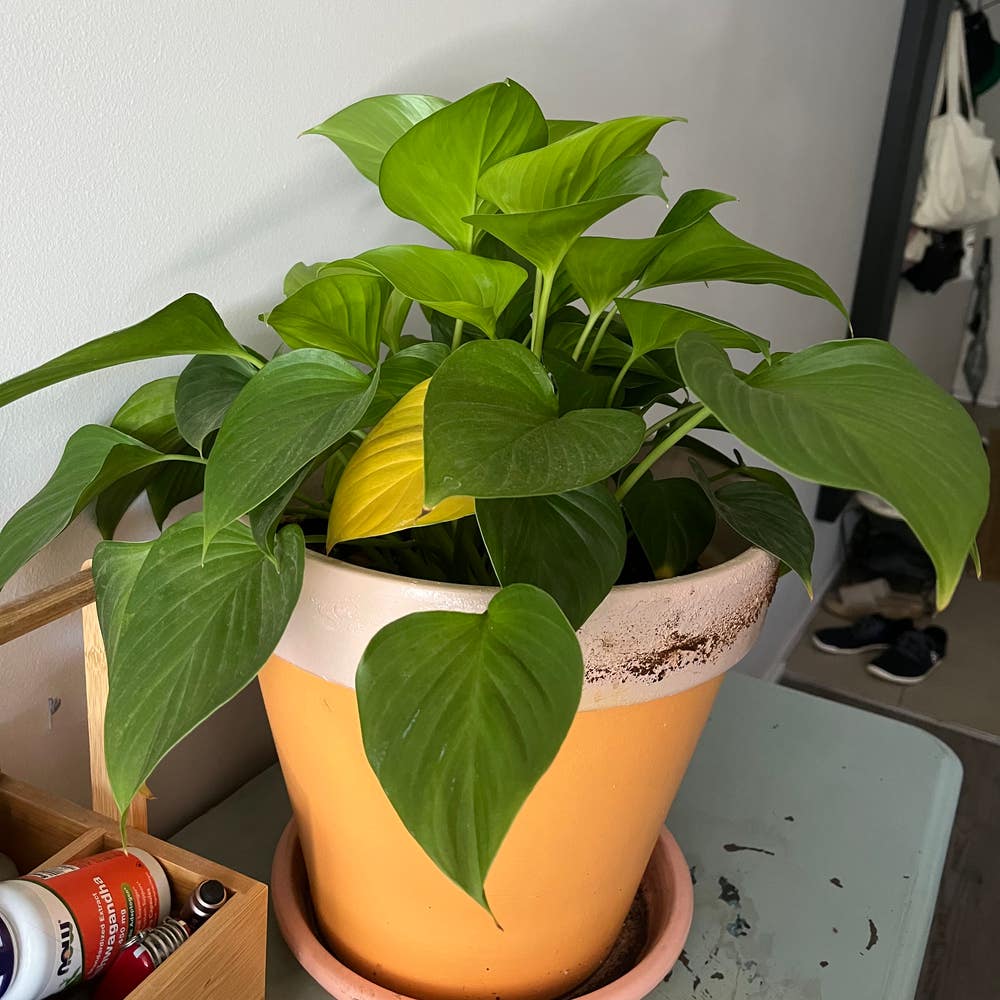
How To Care For Homalomena Rubescens 'Black' Root Rot Solutions
Homalomena rubescens 'Black'
By the Greg Editorial Team
Jun 06, 2024•3 min read
This article was created with the help of AI so we can cover more plants for you. May contain errors. See one? Report it here.
- Yellow leaves and wilting signal root rot in Homalomena.
- Sterilize and repot after removing mushy, brown roots.
- Right environment and cleanliness keep root rot at bay.
Spotting Trouble: Recognizing Root Rot in Your Homalomena
🚩 Visual Red Flags
Yellow leaves waving the white flag? Wilting stems? Your Homalomena rubescens 'Black' is sending distress signals. If the leaves look more like autumn than spring, it's a visual cue to dig deeper. And if your nose wrinkles at the whiff of the soil, trust that instinct—stink is the calling card of root rot.
🕵️ Beyond the Surface
Unearth the truth by checking the roots. Healthy roots are firm and white, a sign of underground vigor. But if they're brown, mushy, and feel like overcooked noodles, it's time for an intervention. Root discoloration and a spongy texture are the hidden horrors of root rot.
First Response: Immediate Actions to Combat Root Rot
🏥 Root Triage and Surgery
When root rot attacks your Homalomena rubescens 'Black', it's surgery time. Sterilize your scissors; you're about to become a plant surgeon. Gently remove the plant from its pot and rinse the roots. Brown, mushy roots? They gotta go. Keep the healthy, white ones—they're your plant's lifeline. Balance the root pruning with a foliage trim to prevent overtaxing the remaining roots.
🌱 Soil and Pot Overhaul
Post-surgery, your plant needs a sterile environment. Ditch the old soil—it's contaminated. Clean the pot with a bleach solution or, better yet, get a new one. Ensure it has drainage holes aplenty. Choose a well-draining soil mix; your plant's recovery depends on it. Repot with care, and resist the urge to water immediately. Let the roots breathe and settle into their new home before introducing moisture.
Creating a Root Rot-Resistant Environment
💧 Water Wisdom
Consistency is key in watering your Homalomena rubescens 'Black'. Abandon the rigid schedule; instead, water based on the plant's actual needs. Use a moisture meter or the trusty finger test—soil should be dry an inch down before the next watering. Embrace the 'soak and dry' method to mimic natural rainfall, ensuring roots aren't drowning in excess moisture.
Home Sweet Home
Creating the ideal environment for your Homalomena is about more than just aesthetics. Temperature and humidity control can make or break your plant's health. Aim for that tropical vibe—warm but not hot, humid but not wet. Use tools like humidifiers or pebble trays to maintain that perfect 40-60% humidity level. And don't forget about airflow; a gentle breeze can prevent the still, damp conditions that root rot loves.
Proactive Plant Parenting: Keeping Root Rot at Bay
👀 The Art of Observation
Regular check-ups are the bread and butter of plant health. Like a plant whisperer, tune in to the subtle cues: a droopy leaf here, a discolored stem there. Visual inspections should be as routine as your morning coffee—non-negotiable and utterly essential. Keep a sharp eye on leaf changes and soil moisture, and remember, vigilance is your plant's best ally.
🧼 Cleanliness is Key
Hygiene in the plant world isn't just about aesthetics; it's a full-blown survival tactic. Keep your tools and pots as clean as a chef's kitchen—sterilization isn't overkill, it's a necessity. Clear away the fallen leaves and debris; they're nothing but a red carpet for fungal invaders. Think of cleanliness as your plant's personal bodyguard, keeping the riff-raff at bay.
⚠️ Safety First
This content is for general information and may contain errors, omissions, or outdated details. It is not medical, veterinary advice, or an endorsement of therapeutic claims.
Always consult a qualified healthcare professional before using any plant as food, medicine, or supplement.
Never eat any plant (or feed one to pets) without confirming its identity with at least two trusted sources.
If you suspect poisoning, call Poison Control (800) 222-1222, the Pet Poison Helpline (800) 213-6680, or your local emergency service immediately.
Spotted an error? Please report it here.
Detect root rot early and ensure your Homalomena thrives with Greg's 🌱 custom care plan, keeping your green guardian robust and resilient.