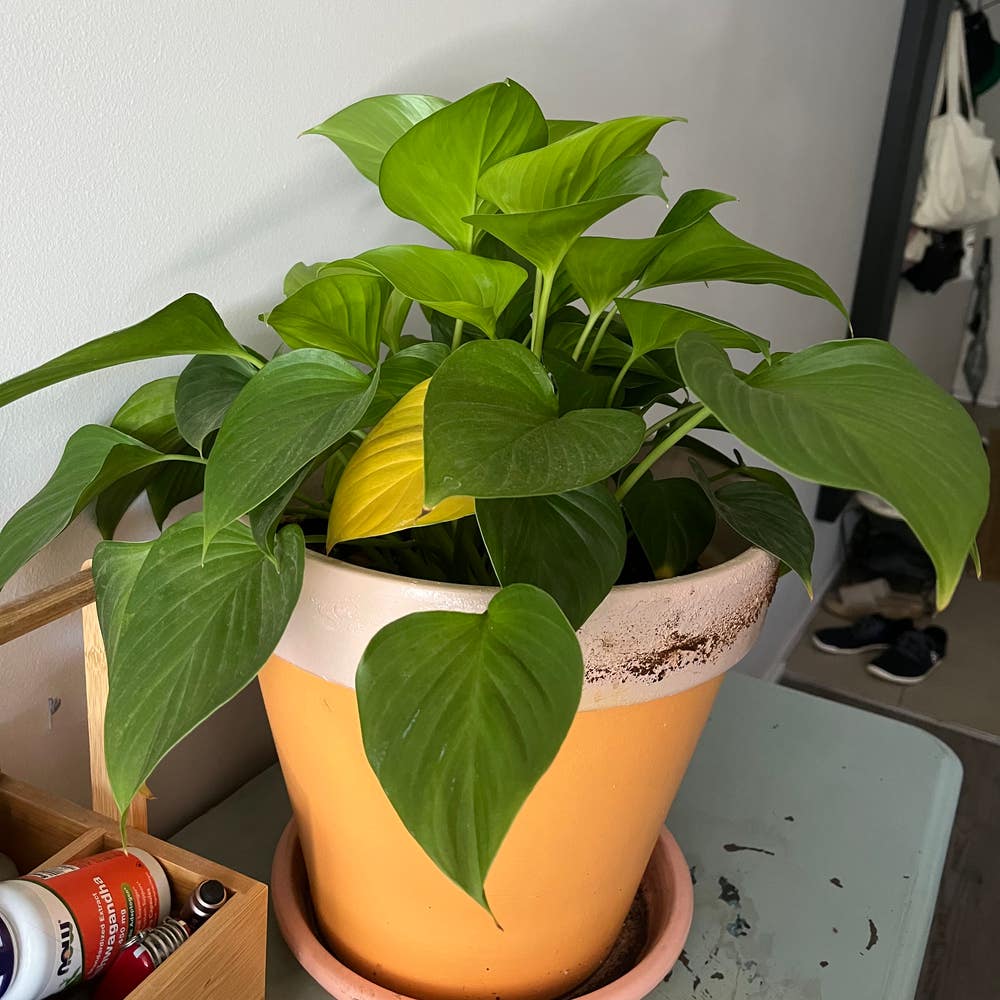
Why Are My Homalomena rubescens 'Black' Leaves Curling?
Homalomena rubescens 'Black'
By the Greg Editorial Team
Jun 06, 2024•4 min read
This article was created with the help of AI so we can cover more plants for you. May contain errors. See one? Report it here.
- Curling leaves signal distress, often due to water, light, or pests.
- Balance watering and lighting to prevent curling and maintain plant health.
- Regular care and inspections are vital for early problem detection and prevention.
Spotting the Signs of Trouble
🍂 Visual Symptoms
Curling leaves on your Homalomena rubescens 'Black' are visual distress signals. When leaves start to roll inward, it's a clear sign that your plant is not thriving. Discoloration often accompanies the curling, with leaves turning from a glossy dark green to a dull, lifeless hue. Brown edges or spots are red flags, and if the leaves seem to twist into unnatural shapes, it's time to take action. Be on the lookout for yellow spots or a shiny surface, which could indicate pest problems.
🕰 Timing and Progression
Leaf curling is not a random event; it often follows a predictable pattern. It's common to see the first signs as the seasons change, a time when plants are more vulnerable. If the curling begins at the tips or edges and slowly moves inward, it suggests a gradual issue. However, if you notice that multiple leaves are curling all at once, it's a sign of a more immediate problem. Regular monitoring is key to catching these issues early, potentially saving your plant from further distress.
Zeroing in on the Culprits
💧 Water Woes
Overwatering and underwatering are like two sides of the same coin; both can wreak havoc on your Homalomena rubescens 'Black'. Overwatering suffocates roots, leading to leaf curl as a distress signal. Underwatering, on the other hand, causes leaves to curl inward, conserving moisture in a last-ditch effort to survive.
🌞 Light and Temperature Tensions
Your plant's leaves can also curl from being drama queens about light and temperature. Too much direct sunlight, and they curl up; too little, and they might also protest. Temperature swings are equally traumatic, causing leaves to curl in an attempt to stabilize their environment.
🐜 The Pest Problem
Pests love to target the lush foliage of Homalomena rubescens 'Black'. Spider mites, mealybugs, and the like see your plant as an all-you-can-eat buffet, resulting in curling leaves as they drain the life from them. Regular inspections are crucial to catch these critters in the act.
Nurturing Your Plant Back to Health
💧 Balancing the Watering Act
Watering your Homalomena rubescens 'Black' is a precision game. Check the soil; if the top inch feels dry, it's time to water. Overwatering is a no-go—soggy soil is a one-way ticket to root rot. Underwatering? Just as bad. The leaves will throw a fit and curl up. Aim for moist, not swampy or bone-dry. It's about finding that sweet spot.
🌿 Creating the Ideal Environment
Lighting should be bright but indirect—think of it as a cozy glow, not a harsh interrogation lamp. Direct sunlight is a recipe for crispy leaves. Temperature should be as stable as your favorite diner's menu—no wild swings. Avoid drafts like you'd avoid spoilers for your favorite show. And humidity? You want that tropical vibe, not a desert. Consider a pebble tray or a misting routine to keep the air just right.
🐜 Pest Control Tactics
Pests are like that one uninvited party guest—they show up and wreak havoc. Keep an eye out for the usual suspects: aphids, spider mites, and mealybugs. If you spot them, it's time for action. Use insecticidal soap or neem oil, but always read the label. It's like following a recipe; you don't want to mess it up. And remember, prevention is key. A clean plant is a happy plant. Regular inspections will save you a world of trouble.
Keeping the Leaves Lush and Flat
💪 Consistent Care Routine
Regular care is the backbone of plant health. It's about setting a rhythm that your Homalomena rubescens 'Black' can dance to without missing a beat. Watering should be as predictable as your daily commute, and fertilizing as regular as your weekly grocery run.
🐜 Vigilance Against Invaders
Pests are like uninvited guests at a party—they show up unannounced and wreak havoc. Keep an eye out for these party crashers with routine inspections. If you spot one, act fast; it's less of a headache to kick out one troublemaker than to deal with a full-blown infestation.
⚠️ Safety First
This content is for general information and may contain errors, omissions, or outdated details. It is not medical, veterinary advice, or an endorsement of therapeutic claims.
Always consult a qualified healthcare professional before using any plant as food, medicine, or supplement.
Never eat any plant (or feed one to pets) without confirming its identity with at least two trusted sources.
If you suspect poisoning, call Poison Control (800) 222-1222, the Pet Poison Helpline (800) 213-6680, or your local emergency service immediately.
Spotted an error? Please report it here.
Ensure your Homalomena rubescens 'Black' leaves stay unfurled and fabulous 🍃 with Greg's custom care plan that tackles everything from watering to pest prevention.