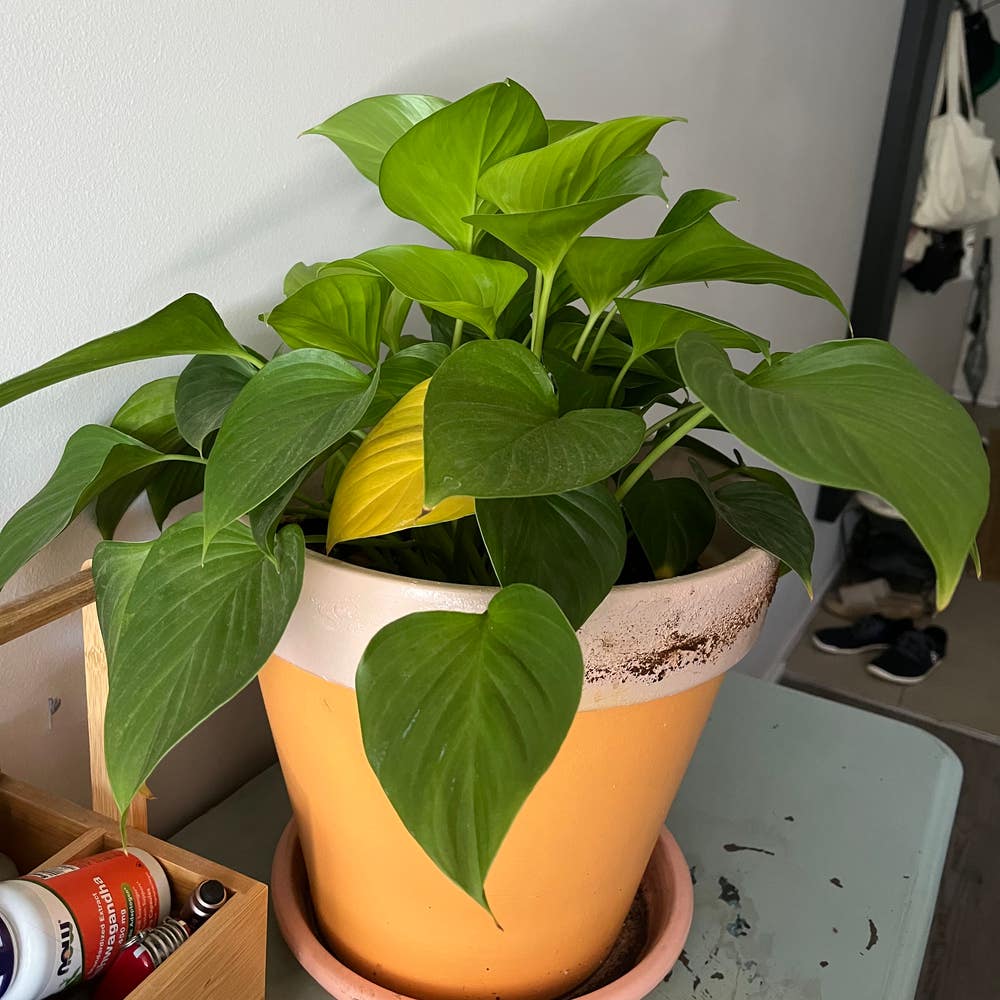
Does My Homalomena rubescens 'Black' Need Direct Sunlight?
Homalomena rubescens 'Black'
By the Greg Editorial Team
Jun 06, 2024•4 min read
This article was created with the help of AI so we can cover more plants for you. May contain errors. See one? Report it here.
- Bright, indirect light is key for Homalomena rubescens 'Black'—direct sun can harm.
- Leaf burn and discoloration signal too much sun; adjust plant's position or shade.
- Use sheer curtains or plant clusters for shared shade and rotate for even growth.
Sunlight Simplified: What Does Homalomena rubescens 'Black' Prefer?
🌞 Direct vs. Indirect Sunlight: A Kid-Friendly Explanation
Imagine a sunny window where the sun's rays pour in unfiltered. Direct sunlight is that intense light that can turn your cozy couch into a hot seat. Now, indirect sunlight is like the sun playing hide and seek, peeking through a leafy tree, gentle and diffused. It's the kind of light that doesn't slap you in the face but pats you on the back.
🌿 Homalomena rubescens 'Black' and Its Ideal Light Conditions
The Homalomena rubescens 'Black' hails from the tropical understory, where it's used to playing it cool under the canopy. This means it's all about that bright, indirect light life. Direct sunlight? Not so much. It can make the leaves of your Homalomena throw a fit, turning crispy and discolored like they've had too much sun at the beach without any sunscreen.
Recognizing Signs of Too Much Sun
🌞 Tell-tale Symptoms of Sun Stress in Homalomena rubescens 'Black'
Leaf burn and discoloration are the plant's equivalent of waving a white flag. If your Homalomena's leaves sport brown patches or feel crispy, it's time to reassess its sunbathing habits.
Growth patterns can also spill the beans on light-related stress. Stretched stems and undersized leaves suggest your green buddy is straining for light, while scorched tips or edges scream too much sun.
🛠 Quick Fixes for Sun-Struck Plants
Relocating your Homalomena could save its leafy skin. Find a spot where the sun's rays are bright but indirect, like a north-facing window or a few feet away from a sunny one.
Creating shade is another smart move. A sheer curtain can act as a sunscreen for your plant, diffusing harsh light and preventing the botanical equivalent of a sunburn.
Windows and Hemispheres: Navigating the Sun's Path
🌞 Understanding the Sun's Journey Across Your Home
The direction your windows face dictates the light's intensity. In the Northern Hemisphere, south-facing windows are the sun magnets, while in the Southern Hemisphere, it's the north-facing ones that hog the sunlight. For your Homalomena rubescens 'Black', this means choosing a window that offers bright, indirect light, avoiding the harsh midday sun that could lead to leaf burn.
🌍 Hemisphere Hacks for Happy Houseplants
Location matters when it comes to plant placement. If you're basking in the Northern Hemisphere, south-facing windows might be too intense for your Homalomena rubescens 'Black'. Instead, aim for east or north-facing windows for that gentle touch of sunlight. Down under in the Southern Hemisphere? North-facing windows are your go-to. Remember, it's not just about avoiding the scorch, but also ensuring your plant gets enough light to avoid becoming a leggy, stretched-out mess. Keep an eye on the seasons; they're sneaky and can change the sun's angle, meaning your plant might need a shuffle now and then to stay in the sweet spot.
Protecting Your Plant from Direct Sunlight
🌞 Creative Shading Techniques
Sheer curtains are like invisible shields, diffusing the sun's intensity while still letting your Homalomena rubescens 'Black' soak up the light it craves. Think of them as a soft-focus filter for your leafy friend. Alternatively, blinds can be your go-to for dialing down the daylight to more manageable levels.
Positioning your plant among others can create a microclimate of shared shade, a sort of communal umbrella under which your greenery can thrive without the risk of sunburn.
🕵️ Monitoring and Adjusting Light Exposure
Regular observation isn't just about admiring your plant's beauty—it's a critical check-up to ensure it's not bathing in too much sun. Rotate your Homalomena rubescens 'Black' periodically; this isn't just about giving all sides their moment in the limelight, it's about promoting balanced growth and avoiding the dreaded lean.
Adjusting your plant's location with the seasons is not overkill—it's smart gardening. As the sun shifts its path across the sky, so should your plant shift its stance in your home. Keep it moving, and you'll keep it growing.
⚠️ Safety First
This content is for general information and may contain errors, omissions, or outdated details. It is not medical, veterinary advice, or an endorsement of therapeutic claims.
Always consult a qualified healthcare professional before using any plant as food, medicine, or supplement.
Never eat any plant (or feed one to pets) without confirming its identity with at least two trusted sources.
If you suspect poisoning, call Poison Control (800) 222-1222, the Pet Poison Helpline (800) 213-6680, or your local emergency service immediately.
Spotted an error? Please report it here.
Keep your Homalomena rubescens 'Black' sunburn-free ☀️ by leveraging Greg's PlantVision to find that sweet spot of bright, indirect light and get a custom care schedule.