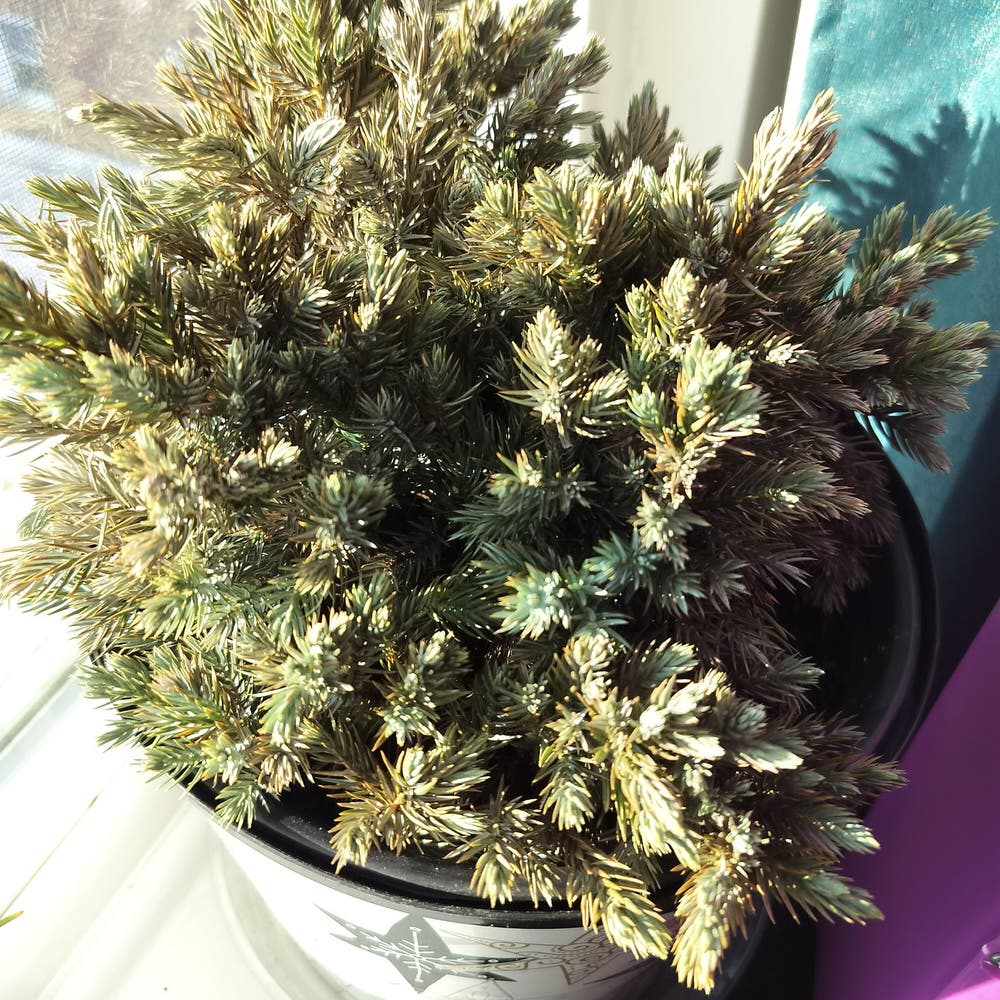
Propagating Blue Star Juniper: Step-by-Step Guide
Juniperus squamata
By the Greg Editorial Team
Jun 18, 2024•5 min read
This article was created with the help of AI so we can cover more plants for you. May contain errors. See one? Report it here.
- Choose stem cuttings or layering for Blue Star Juniper propagation.
- Patience and consistency are key in both methods for success.
- Sterilize tools, target nodes, and ensure well-draining soil.
Choosing Your Propagation Adventure: Stem Cuttings or Layering?
🌱 Deciding Between Stem Cuttings and Layering
In the realm of Blue Star Juniper propagation, your choices boil down to stem cuttings or layering. Stem cuttings are the express lane—snip, dip in rooting hormone, and you're on your way to a new plant. It's the hands-on choice for those who like a bit of a challenge and don't mind getting their hands dirty. Layering, on the other hand, is the slow cooker method—more about patience and letting nature do its thing. It's less about the snip and more about the strategic bend and bury, coaxing roots directly in the soil while still attached to the mother plant.
📅 Best Season for Propagation
Timing is everything. For stem cuttings, spring is your golden ticket, when the plant's energy is surging and roots are raring to grow. Summer works too, but it's like walking a tightrope with the sun beating down—keep those cuttings cool and hydrated. Layering is more forgiving; you can start in spring and let it ride out the growing season. Just avoid winter—Blue Star Juniper is snoozing then, and so should your propagation plans.

The Stem Cuttings Method: A Snip and Dip Approach
🌿 Selecting and Preparing Your Cutting
To kick off your propagation, choose a healthy branch—look for vibrancy and no signs of disease. With a sharp pair of secateurs or pruners, make a clean cut just below a leaf node, about the thickness of a pencil. Aim for a branch that's 6-8 inches long with several nodes, as these are your future root hotspots.
🌱 Rooting Your Juniper Cutting
Dip the cut end into rooting hormone to encourage root development—this is your growth gold dust. Plant the cutting in a well-draining soil mix, ensuring at least one node is buried. Keep the soil consistently moist, not soggy, and place the cutting in bright, indirect light. Patience is key; roots take time to develop.
🌳 The Big Move: Transplanting Your New Juniper
When roots are established and you see new growth, it's time for the big move. Transplant your juniper into a larger pot or your garden, taking care not to damage the tender new roots. Remember, junipers despise wet feet, so ensure the site has good drainage. A layer of mulch can help retain the right amount of moisture without waterlogging your plant.

The Layering Method: Coaxing Roots from Branches
🌱 Prepping for Success: Choosing and Preparing Branches
Selecting a worthy branch for layering is like picking a teammate for a heist – you want the best. Look for a healthy, flexible branch that can easily reach the soil. Strip the leaves from the portion that will be buried, and make a small wound on the underside to encourage rooting. Bury this part in a shallow trench and anchor it with a rock or brick. It's not rocket science, just a bit of gardening elbow grease.
🌱 The Waiting Game: Root Development
Patience isn't just a virtue; it's a necessity. Keep the soil moist but not soggy, like a well-squeezed sponge. No need to hover – just check in occasionally to ensure the soil hasn't dried out or turned into a swamp. In a few months, you'll see roots, your cue that your juniper is no longer just a branch playing in the dirt but is ready to stand on its own.
🌱 Independence Day: Separating Your New Plant
When you've got a bunch of healthy roots, it's time for the big split. Water your juniper a couple of days before to make the roots more pliable. Then, sever the connection with the mother plant, ensuring you leave plenty of roots attached to your new juniper. It's like moving out from your parents' house – scary but thrilling. Plant it in its new home and watch it grow, proud of your green-thumbed independence.

Overcoming Propagation Pitfalls
🌱 Troubleshooting Tips for Stem Cuttings and Layering
In the realm of propagation, patience is more than a virtue—it's a necessity. When your cuttings seem more lifeless than a forgotten garden gnome, consider these fixes.
Stem Cuttings: The Snip-and-Dip Woes
Rotting Cuttings: If your stem cuttings are rotting, you're likely overwatering. Cut back on the H2O and ensure your soil drains like a sieve.
Unsuccessful Rooting: No roots? It could be too cold. Cuttings need warmth like a lizard needs sunlight. Keep them cozy, and double-check the lighting—bright indirect light is the sweet spot.
Damping Off: Seedlings keeling over? It's a fungal free-for-all. Aim for moist soil, not a swamp, and crank up the air circulation.
Clean Cuts: Blunt tools are a big no-no. They're like inviting bacteria to a buffet. Use clean, sharp tools for a precise cut.
Layering: The Waiting Game
Water Woes: With layering, it's easy to overdo the water. Keep it consistent without turning your pot into a mini lake.
Node Precision: Miss the node, and you might as well wave goodbye to new roots. Stick close to these magic spots for best results.
General Tips
Cleanliness is Key: Dirty tools are a shortcut to disaster. Sterilize like you're prepping for surgery.
Into Individual Pots: Once roots appear, give your new plant its own space. Watch for new growth—it's a sign you've nailed it.
Remember, every mishap is a lesson. Embrace the challenges, and you'll come out a propagation guru.
⚠️ Safety First
This content is for general information and may contain errors, omissions, or outdated details. It is not medical, veterinary advice, or an endorsement of therapeutic claims.
Always consult a qualified healthcare professional before using any plant as food, medicine, or supplement.
Never eat any plant (or feed one to pets) without confirming its identity with at least two trusted sources.
If you suspect poisoning, call Poison Control (800) 222-1222, the Pet Poison Helpline (800) 213-6680, or your local emergency service immediately.
Spotted an error? Please report it here.
Turn the patience required for propagating Blue Star Juniper into a virtue with Greg's tailored reminders 🕰 for watering and care, ensuring your cuttings and layers develop strong roots from this guide.