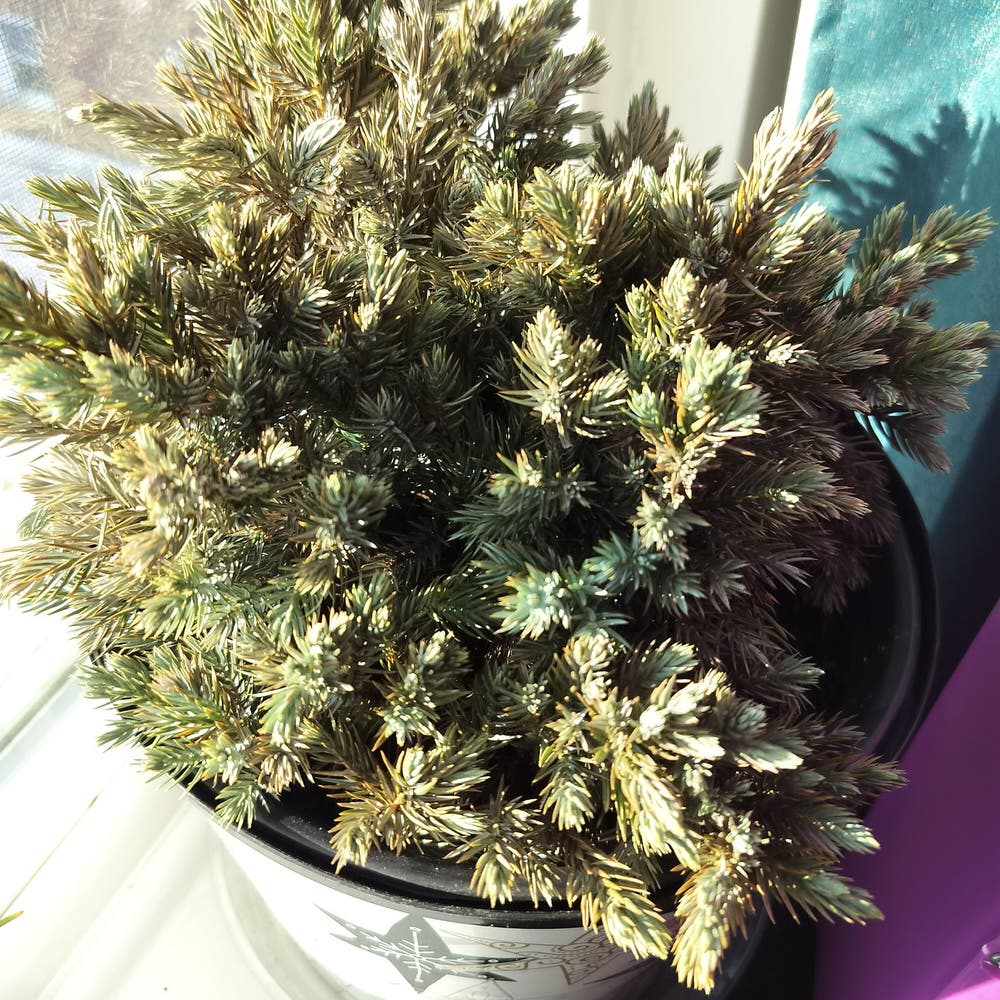
Why Are My Blue Star Juniper Leaves Falling Over?
Juniperus squamata
By the Greg Editorial Team
Jun 18, 2024•4 min read
This article was created with the help of AI so we can cover more plants for you. May contain errors. See one? Report it here.
- Overwatering and underwatering both lead to leaf problems. Find the balance.
- 🕵️♂️ Inspect for pests and diseases regularly to prevent droopy leaves.
- Seasonal watering schedules and strategic pruning enhance plant health.
When Water Works Against You
💧 Overwatering Woes
Too much love can be a death sentence for your Blue Star Juniper. Overwatering leads to root rot and a sad, droopy plant. Look out for leaves that feel more like a wet sponge than the firm, waxy needles you're used to. If your juniper's roots are as mushy as a forgotten pumpkin post-Halloween, you've gone too far.
🚰 The Drainage Game
It's time to tweak your soil to prevent your juniper from drowning. Mix in some perlite, coarse sand, or peat moss to keep things light and airy. Proper potting is crucial; your pot should have drainage holes that could make a colander jealous. When it comes to landscape positioning, think like a cat avoiding water—elevate your plant's base to avoid pooling moisture.

Thirsty for Attention: ️ Underwatering
Spotting a Parched Plant
Underwatering can turn your Blue Star Juniper into a botanical sad sack. Brittle leaves and soil that crumbles like stale bread are dead giveaways. The plant's stoic nature can withstand dry spells, but too much neglect leads to a leafy letdown. It's about striking a balance; too little water and you'll see a foliage fallout that's more tragic than a canceled Netflix series.
Quenching the Thirst
Here's the skinny: watering wisdom is key. Your juniper's thirst isn't unquenchable, but it does need a steady sip. Think of watering like a well-timed joke—it's all about timing and delivery. The soil should feel like a slightly damp sponge—present but not overwhelming. Water thoroughly, let the excess drain, and then give it a breather. If your plant's pot feels lighter than your last grocery bag, it's time for a drink.

Unwanted Guests and Unseen Foes
🐜 Pests: The Sneaky Leaf Droppers
Spider mites, mealybugs, and scale insects are the usual suspects when Blue Star Juniper leaves start to droop. These pests are like unwanted guests, turning your plant into a buffet without an invitation. Speckled leaves or a sticky residue are the red flags signaling an infestation.
To combat these critters, blast them with water or apply insecticidal soap. For stubborn cases, you might need to resort to a miticide. Regular plant inspections are key to catching these pests early. Remember, a clean plant is a less inviting target, so keep those leaves dust-free.
🦠 Battling Diseases
Diseases can be silent but deadly, causing leaves to drop as they take hold. Fungal pathogens often leave visible signs, like unusual spots or decay. If you spot these, it's time to act fast.
Effective treatments include removing affected leaves and improving air circulation. Fungicides can help, but it's always best to look for eco-friendly options that minimize environmental impact. Prevention is also crucial: keep leaves dry and ensure good airflow to discourage fungal growth.

Proactive Plant Parenthood
💧 Mastering the Watering Ritual
Crafting a watering schedule that adapts to the seasons is crucial. In summer, your Blue Star Juniper might need more frequent watering, while in winter, it's a less thirsty affair. Monitor the soil—if it's dry an inch below the surface, it's time to water. But remember, the plant's need for water changes with the seasons, so stay observant and adjust accordingly.
🌱 Soil and Root Vigilance
Enriching soil is not just about adding nutrients; it's about ensuring proper drainage too. Mix in some perlite or sand to give your Juniper's roots room to breathe. Regular checks for root health can prevent a multitude of sins—like root rot, which is a silent killer. Healthy roots mean a happy plant, so don't neglect what's below the surface.
✂️ Pruning for Power
Strategic trimming isn't just about aesthetics; it's about plant health. By cutting away the old, you make way for the new. Prune your Blue Star Juniper in late winter to early spring, before the growing season kicks in. This not only strengthens the plant but also helps prevent disease by improving air circulation. Remember, every cut is an opportunity for your plant to thrive.
⚠️ Safety First
This content is for general information and may contain errors, omissions, or outdated details. It is not medical, veterinary advice, or an endorsement of therapeutic claims.
Always consult a qualified healthcare professional before using any plant as food, medicine, or supplement.
Never eat any plant (or feed one to pets) without confirming its identity with at least two trusted sources.
If you suspect poisoning, call Poison Control (800) 222-1222, the Pet Poison Helpline (800) 213-6680, or your local emergency service immediately.
Spotted an error? Please report it here.
Avoid the droop in your Blue Star Juniper by letting Greg craft a season-adaptive watering schedule 📅 and alert you to early signs of pests or diseases.