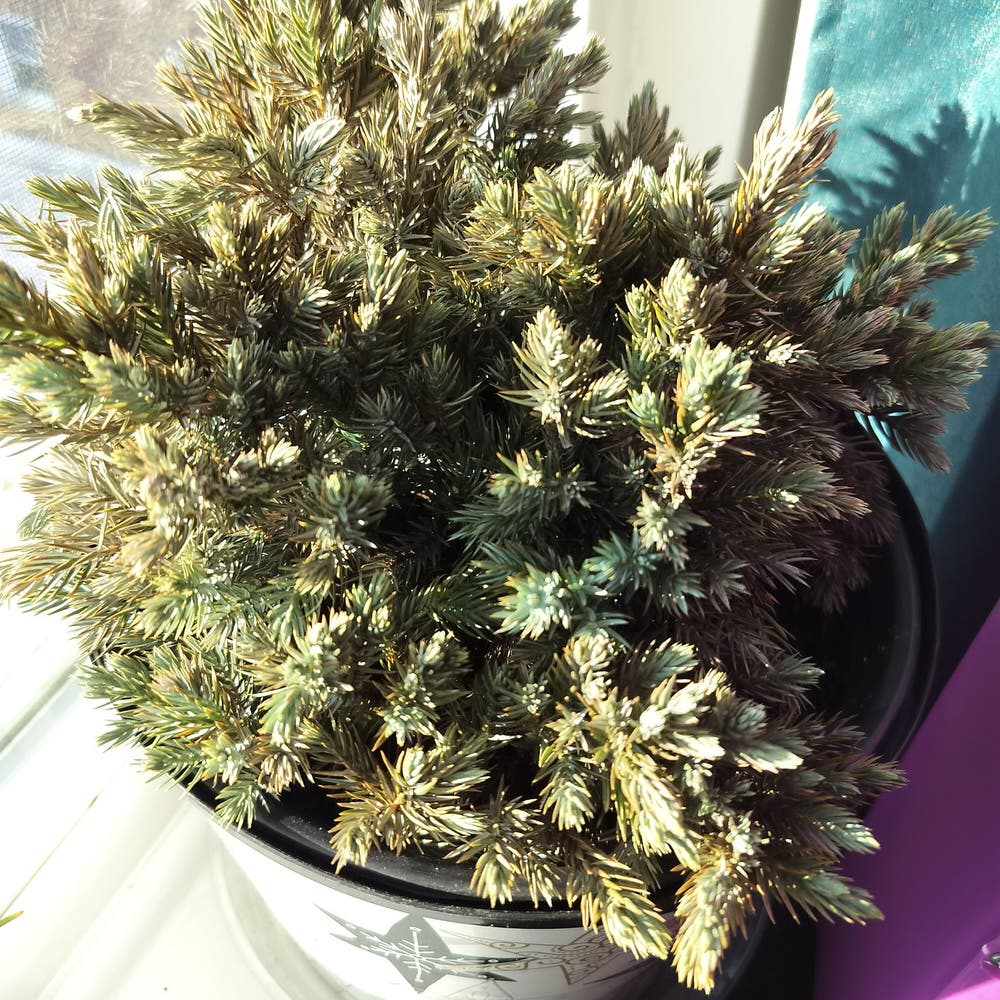
Best Potting Soil Mix for Blue Star Juniper
Juniperus squamata
By the Greg Editorial Team
Jun 18, 2024•5 min read
This article was created with the help of AI so we can cover more plants for you. May contain errors. See one? Report it here.
- Mold, smell, sogginess? Time to change the soil and tweak watering.
- 🌱 DIY or store-bought soil should ensure proper drainage and acidity.
- Test and adjust pH to keep your Blue Star Juniper vibrant.
Spotting and Fixing Soil No-Nos
🚨 Recognizing Trouble in Paradise
Quickly spotting when your Blue Star Juniper's soil has gone rogue is crucial. Mold growth, a funky smell, or soil that's more waterlogged than a rainforest are all red flags.
🚑 The Rescue Mission
To save your plant from a soil disaster, you'll need to act fast. Change out the soil and fine-tune your watering habits to avoid a repeat performance.
🍄 Mold: The Unwanted Guest
When mold crashes the party, it's time to cut back on the H2O and let the sun work its magic. Persistent mold means it's repotting time—out with the old soil, in with a fresh mix.
💧 Waterlogged Woes
If your soil feels like a sponge that's seen better days, it's time for a soil swap. Make sure your new pot has more holes than a detective story. Going forward, water your Juniper based on its thirst, not your schedule.
👃 Smell: The Silent Alarm
A nose-wrinkling stench is your cue to act. If your soil smells like it's been left in a damp basement, it's time to scoop and replace. Keep airflow high and watering low to prevent future olfactory offenses.
🏋️ Weight: The Heft Test
Does your pot feel heavier than your emotional baggage? Ease up on the aqua. Let the soil dry out to the consistency of day-old bread before you even think about watering again.
🌱 Root Check: The Underground Reality
Roots should never feel like overcooked pasta. If they do, it's a sign of root rot. Replace the soil and ensure proper drainage to give your plant a fighting chance.
🛡️ Proactive Measures
Remember, prevention is better than cure. Regularly check the soil's moisture with your finger or a soil probe, and keep an eye out for pests. The right pot and soil mix are the foundation of your Juniper's well-being.

Picking the Perfect Potting Mix
🌱 Store-Bought Wonders
When it comes to commercial soil mixes, not all bags are created equal. Look for ones boasting excellent drainage and the right acidity for your Blue Star Juniper. Organic options are a plus—they're like the unplugged version of your favorite tune, often hitting the right notes better than the rest. Miracle-Gro Indoor Potting Mix is a crowd-pleaser, with coconut coir for that acidic kick and perlite for aeration. Other premium mixes might include biochar or orchid bark, which offer that extra something for your plant's roots.
🌿 DIY Soil Crafting
Roll up your sleeves; it's time to mix your own soil like a pro. Start with a base of all-purpose potting soil. This is your canvas. Add in one part perlite for that essential airiness, preventing the dreaded swampy conditions. One part sphagnum peat moss is your moisture maestro, also keeping the pH in check. For a nutritional boost, a half cup of worm castings or compost will do wonders. And don't forget the coarse sand—it's the secret to improved drainage. Mix it all up, and you've got a bespoke five-star home for your Blue Star Juniper.

Keeping the Soil Sweet
🌡️ Testing and Tweaking pH Like a Pro
Blue Star Juniper thrives in moderately acid to neutral soil, with a sweet spot between a pH of 5.5 and 7.0. Testing your soil's pH isn't high science; it's basic care. Grab a soil pH tester probe and get to work. If your soil is too alkaline, add soil sulfur or chelated iron to lower the pH. Conversely, if it's too acidic, pelletized limestone is your friend. Remember, your juniper's vibrancy hinges on this balance.
🌱 Long-Term Soil Care Strategies
Think of mulch as your soil's personal bodyguard—it keeps moisture consistent and temperature moderated. A 2 to 3-inch layer of organic matter, like shredded bark, does wonders. And don't just set and forget; re-test your soil's pH every few years. It's like a health check-up for your soil. To keep the soil structure in tip-top shape, amend periodically with organic compost. It's not just about today's beauty but ensuring your Blue Star Juniper's legacy in your garden.

The Right Home for Your Soil and Plant
🌱 Pot Selection
When it comes to pot selection, think of it as matchmaking for your Blue Star Juniper's roots. The right pot does more than just hold soil; it's a key player in your plant's health and happiness.
Material Matters
Terracotta pots are the classic choice, and for good reason. They're porous, allowing soil to breathe and preventing water from overstaying its welcome. Plastic pots, on the flip side, keep moisture around longer, which can be good or bad, depending on how thirsty your plant is. Ceramic pots are heavy hitters in the style department, but they'll also hold onto water tighter than a miser with a dollar bill.
Size and Drainage
Size is not just a label on your pot; it's about giving your Juniper's roots room to party without stepping on each other's toes. Too snug, and they'll be as uncomfortable as a sardine in a can. Drainage holes are non-negotiable – without them, you're setting up a pool party for root rot, and trust me, that's one soggy bash you don't want to attend.
The Fit
Your pot should complement your soil's texture and drainage like a fine wine pairs with cheese. A well-draining potting mix deserves a pot that can support its quick-drying lifestyle. If your mix is on the denser side, you'll want a pot that can help mitigate any potential waterlogging issues. It's all about balance, like a tightrope walker juggling watering cans.
Remember, the pot is the Blue Star Juniper's universe. Choose wisely, and you'll have a thriving, upright plant that's as proud as a peacock. Skimp on the pot, and you might as well be rolling out the welcome mat for pests and diseases. Keep it airy, keep it draining, and you'll be the proud plant parent of a Blue Star Juniper that's the envy of the neighborhood.
⚠️ Safety First
This content is for general information and may contain errors, omissions, or outdated details. It is not medical, veterinary advice, or an endorsement of therapeutic claims.
Always consult a qualified healthcare professional before using any plant as food, medicine, or supplement.
Never eat any plant (or feed one to pets) without confirming its identity with at least two trusted sources.
If you suspect poisoning, call Poison Control (800) 222-1222, the Pet Poison Helpline (800) 213-6680, or your local emergency service immediately.
Spotted an error? Please report it here.
Ensure your Blue Star Juniper flourishes in optimal soil 🌱 by leveraging Greg's precise moisture tracking and tapping into our community's wisdom for the best potting mix and pot selection.