How Do I Cure Blue Star Juniper Root Rot?
Juniperus squamata
By the Greg Editorial Team
Jun 18, 2024•4 min read
This article was created with the help of AI so we can cover more plants for you. May contain errors. See one? Report it here.
- Yellow/brown foliage? Check for root rot.
- Prune affected roots and apply root rot-specific fungicide.
- Prevent recurrence with proper watering and soil improvement.
Spotting the Red Flags: Recognizing Root Rot in Blue Star Juniper
🚨 Visual Symptoms to Watch For
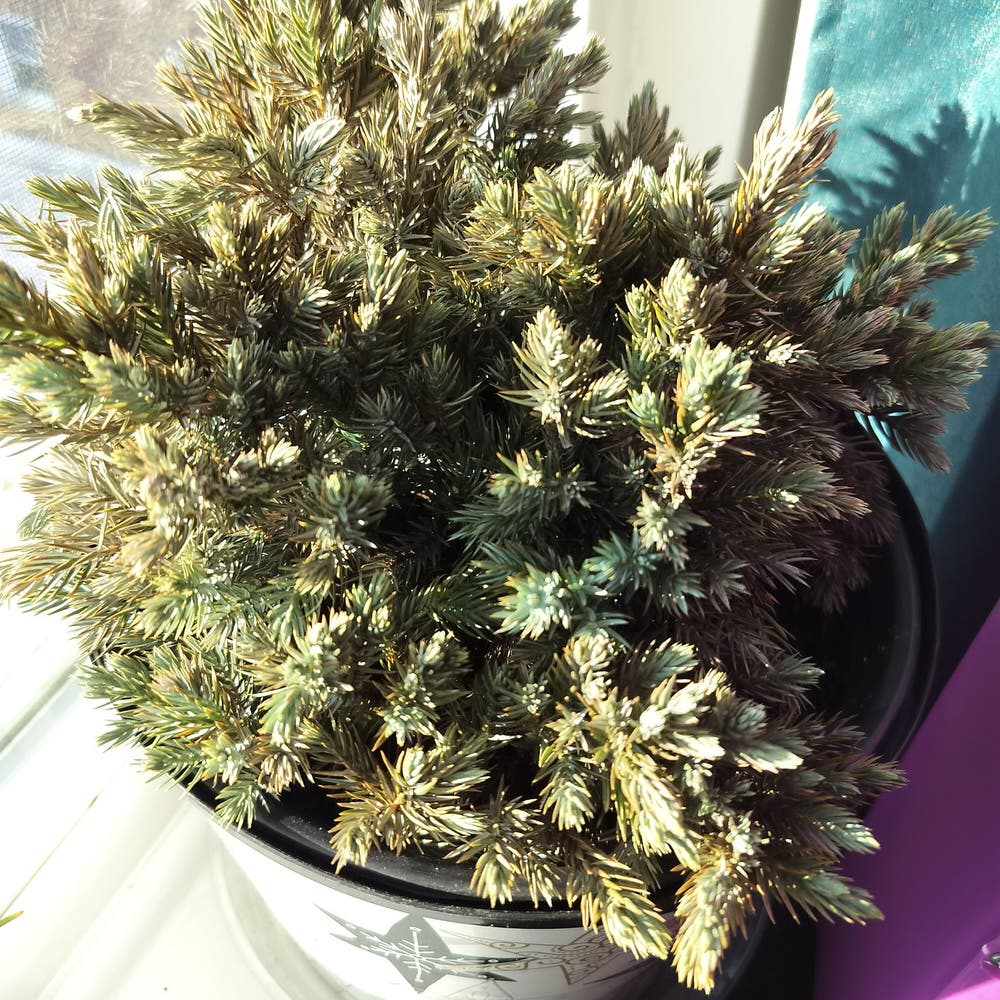
Your Blue Star Juniper's foliage is the tell-tale heart of its health. When the normally silvery-blue needles start turning a sickly yellow or brown, it's not just throwing a tantrum for attention—it's likely crying out for help due to root rot. If you notice the foliage thinning or the plant's overall vigor taking a nosedive, don't just stand there—this is your cue to play detective.
🕵️ When to Investigate Below the Surface
Root rot is a sneaky beast, and sometimes the only way to catch it is to go on an underground mission. If your Blue Star Juniper is looking as sad as a forgotten birthday, it's time to roll up your sleeves and inspect the roots. Healthy roots should be firm to the touch and a light, creamy color. If they're as mushy as overripe fruit and sporting a dark, decayed look, you've got a problem. Remember, a juniper that rocks in the soil like a boat in a storm is a juniper in distress.

First Response: Immediate Actions to Combat Root Rot
🌱 Pruning for Plant Health
Root rot in Blue Star Juniper is like a silent alarm; act swiftly once you spot it. Inspect the roots, snipping away any that are mushy or discolored. Healthy roots are firm and white—those are your keepers. Sterilize your pruning tools before and after to prevent spreading the infection.
🍄 Choosing and Applying the Right Fungicide
Selecting a fungicide is like picking your battles—choose one that's specifically effective against root rot. Follow the label with the precision of a heart surgeon; it's your best defense strategy. Apply to the remaining healthy roots, but avoid overdoing it—think of it as a protective shield, not a soaking bath.

Reviving Your Plant: Long-Term Recovery Strategies
💧 Watering Wisely
After addressing root rot, adjusting your watering habits is crucial. Water should reach the roots without leaving the soil waterlogged. Moderation is key; let the soil dry slightly between waterings. Think of it as giving your plant a steady diet, not a feast or famine.
🌱 Soil and Environmental Makeover
🌿 Improving Soil Composition
Revitalizing your Blue Star Juniper starts with the soil. Integrate organic matter like compost to enhance nutrient content. Ensure the soil is well-draining to prevent future waterlogging. It's like giving your plant a new, breathable home.
🚰 Drainage Enhancement
Drainage is non-negotiable. If your soil holds water like a sponge, mix in sand or gravel to increase porosity. This helps create an environment where roots can thrive, not just survive.
🌬️ Environmental Adjustments
Your plant's environment can make or break its recovery. Airflow is essential; ensure your Juniper isn't suffocating in stagnant air. Also, consider the power of mulch—it conserves moisture and adds a layer of protection.
🚱 Discouraging Excess Moisture
Finally, be mindful of your plant's thirst levels. Overwatering is a one-way ticket to root rot. Use tools like moisture meters or the good old finger test to gauge when it's time for a drink. Remember, less is often more.

Keeping the Roots Happy: Prevention Tactics
💧 The Balancing Act of Watering
Watering your Blue Star Juniper is like a ritual; consistency is key. Wait for the soil to dry out before rewatering to keep it moist, not waterlogged.
🌱 Soil Selection and Upkeep
Choose a soil mix that's the life of the party for roots—well-draining and rich in organic matter. Regularly fluffing up the soil keeps it from compacting, which is pretty much a death sentence for breathability.
🕵️ Vigilance and Proactivity
Be the plant's personal bodyguard. Monitor the soil and environment like you're on a stakeout. Early detection of sogginess or distress signals from your plant can save its life. Keep your eyes peeled and your watering can ready, but only when necessary.
⚠️ Safety First
This content is for general information and may contain errors, omissions, or outdated details. It is not medical, veterinary advice, or an endorsement of therapeutic claims.
Always consult a qualified healthcare professional before using any plant as food, medicine, or supplement.
Never eat any plant (or feed one to pets) without confirming its identity with at least two trusted sources.
If you suspect poisoning, call Poison Control (800) 222-1222, the Pet Poison Helpline (800) 213-6680, or your local emergency service immediately.
Spotted an error? Please report it here.
Overcome Blue Star Juniper root rot by enhancing your plant care routine with Greg's 🚿 personalized watering reminders, ensuring your green friend thrives.