Why Are There Brown Spots on My Blue Star Juniper Leaves?
Juniperus squamata
By the Greg Editorial Team
Jun 18, 2024•3 min read
This article was created with the help of AI so we can cover more plants for you. May contain errors. See one? Report it here.
- Fungal infections and pests like spider mites cause brown spots.
- Environmental stress such as overwatering contributes to the issue.
- Proper care and treatment can prevent and remedy brown spots.
Spotting the Trouble: Identifying Brown Spots
🍂 What Brown Spots Look Like
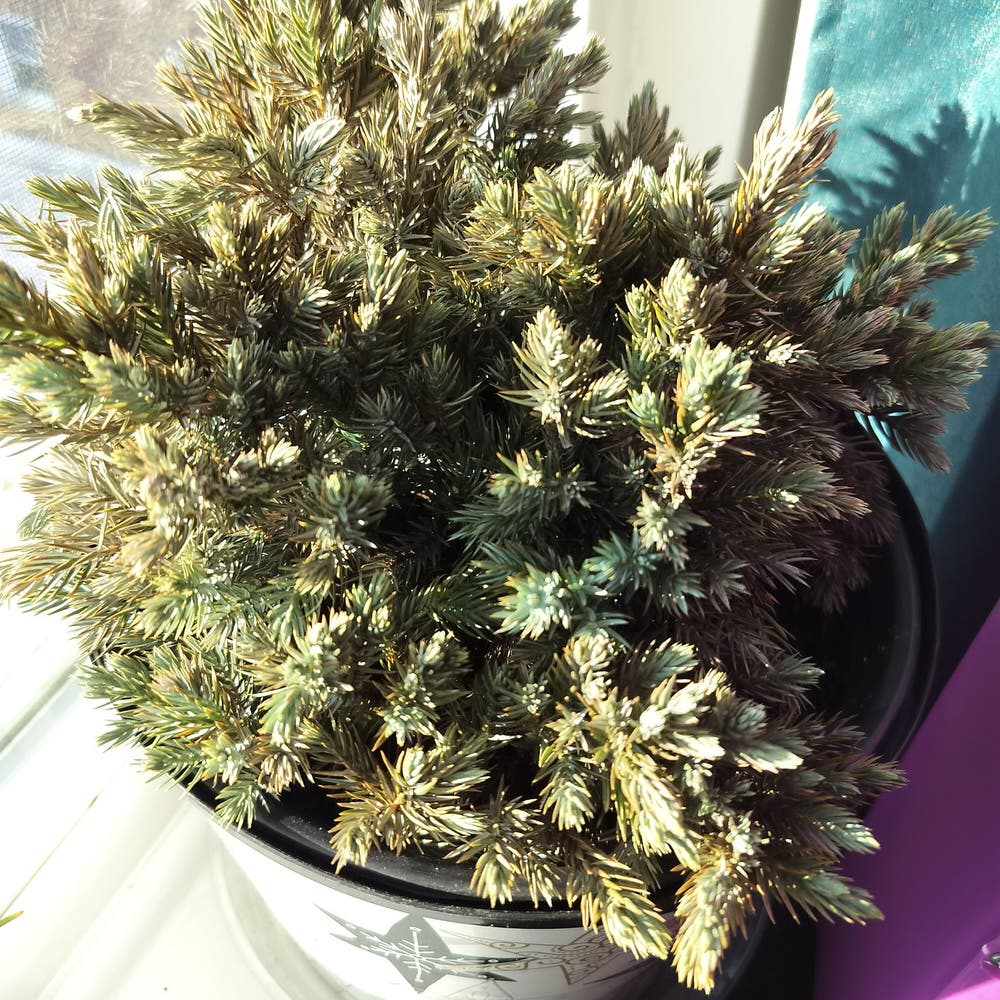
Brown spots on Blue Star Juniper leaves can be sneaky. They might begin as small dots you'd easily overlook, or as blatant patches that scream for attention. The hue varies from a subtle tan to a bold brown. Some spots may look soggy, others bone-dry, hinting at different culprits behind the scenes.
🕵️ Clues Brown Spots Provide
Each spot is a piece of the puzzle. Size matters; tiny spots could mean an issue is in its infancy, while larger ones may signal a more serious condition. The shape can be anything from irregular to perfectly round. Patterns also tell a tale—spots in isolation versus a group huddle can lead to different diagnoses. Look for spots with crisp borders or those sporting a yellow ring; they're like neon signs pointing to specific diseases.

The Usual Suspects: Common Causes of Brown Spots
🍄 Fungal Foes
Phomopsis blight and Kabatina tip blight are the party crashers in the world of Blue Star Juniper. These fungal infections leave behind a mess of brown spots and can turn your plant's tips into a necrotic brown wasteland. If you notice spots that start small and grow, or tips that look like they've been dunked in a vat of brown paint, it's time to suspect these uninvited guests.
🌿 When the Environment Bites Back
Overwatering is like giving your juniper an unwanted bath, and poor drainage is the equivalent of leaving it to soak. Both can lead to a sad, brown-spotted spectacle. Heat stress is another culprit, scorching leaves into submission. If your juniper's leaves sport crispy brown edges or full-on brown patches, it might be crying out against environmental tyranny.
🐜 Tiny Pests, Big Problems
Spider mites and juniper scale are the ninjas of the pest world, often invisible until the damage is done. Look for fine webs or sticky honeydew—these are the red flags of a tiny pest invasion. Brown spots accompanied by these signs are a clear SOS from your juniper, signaling it's time to launch a counter-attack.

First Aid for Your Juniper: Treating Brown Spots
🛡️ Battling the Blight
Fungicides are your first line of defense against juniper blights. Prune affected areas when the plant is dry to halt the spread of spores. Sterilize your tools after each cut to prevent cross-contamination. Follow up with a targeted fungicide, applying it with precision and adhering to the label's instructions. Remember, less moisture means less fungal party time.
🌞 Easing Environmental Stress
Adjust your juniper's living conditions to reduce stress. If it's too sunny, provide some shade. If it's too wet, improve drainage. Consistency is key, so keep the watering schedule regular but not excessive. Ensure the plant isn't suffocating; space it out for better airflow. It's like giving your juniper a personal bubble that says, "Back off, brown spots."
🐜 Pest Control Tactics
For spider mites, look for fine webs and treat with a strong blast of water or introduce natural predators like ladybugs. If scale insects are your culprits, they'll look like bumps on the stems and leaves. Insecticidal soap or neem oil can be effective treatments. Apply with the enthusiasm of someone who's just found the last piece of chocolate in the box.

Plant Care 101
Choosing the Right Plants for Your Space
Watering Tips for Healthy Plants
Soil and Fertilizer Basics
Dealing with Common Pests and Diseases
Pruning and Trimming Techniques
Propagation Methods for New Plants
Creating a Plant Care Schedule
⚠️ Safety First
This content is for general information and may contain errors, omissions, or outdated details. It is not medical, veterinary advice, or an endorsement of therapeutic claims.
Always consult a qualified healthcare professional before using any plant as food, medicine, or supplement.
Never eat any plant (or feed one to pets) without confirming its identity with at least two trusted sources.
If you suspect poisoning, call Poison Control (800) 222-1222, the Pet Poison Helpline (800) 213-6680, or your local emergency service immediately.
Spotted an error? Please report it here.
Eradicate those pesky brown spots 🍂 on your Blue Star Juniper by leveraging Greg's tailored care plans and expert community advice for a lush, healthy garden!