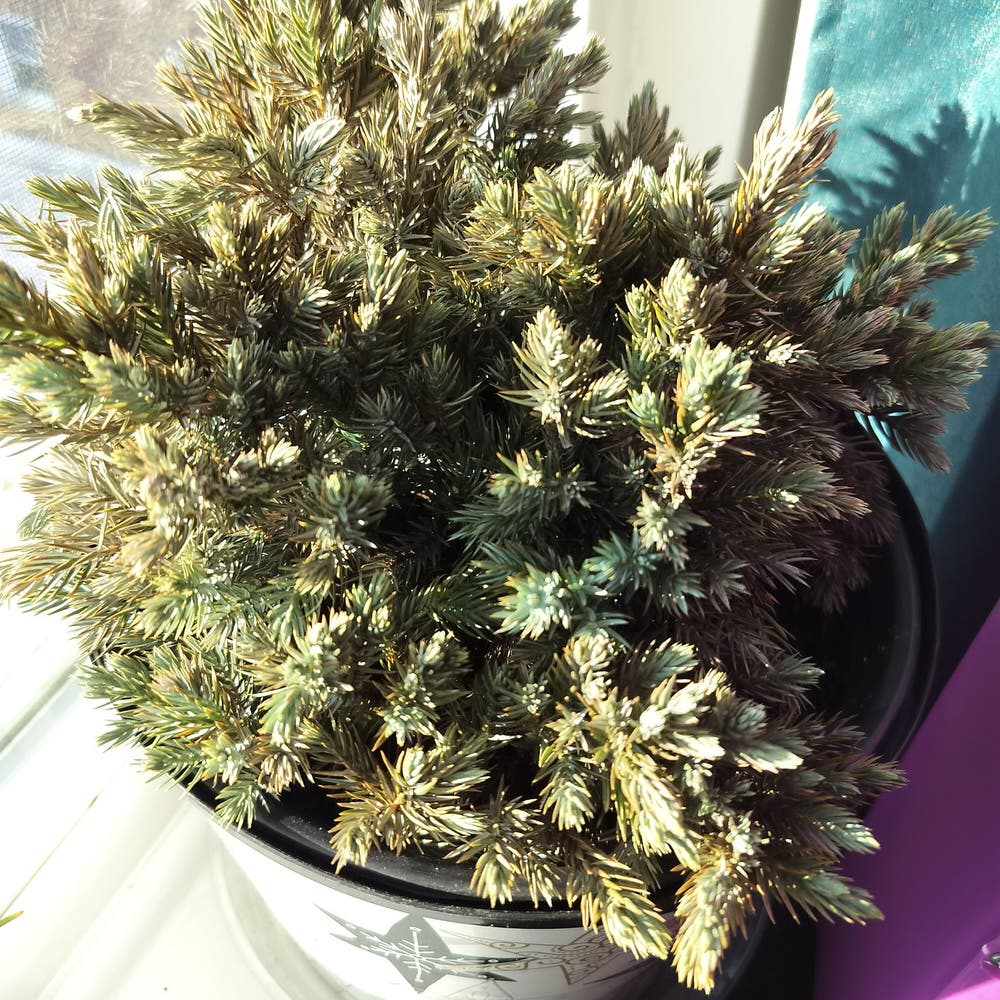
Should I Repot My Blue Star Juniper And If So, How?
Juniperus squamata
By the Greg Editorial Team
Jun 18, 2024•5 min read
This article was created with the help of AI so we can cover more plants for you. May contain errors. See one? Report it here.
- Roots peeking out? Time to repot your Blue Star Juniper.
- 🌱 Spring or early summer is best for repotting during active growth.
- Terracotta pots preferred, avoid metal or glass for root health.
Spotting the Telltale Signs for a New Home
🌱 Root Tango: Too Tight in the Pot
Roots circling the pot's interior or making a break for it through the drainage holes are screaming for a change of scenery. It's like they're saying, "Give me space or give me death!" If you see roots peeking out, it's high time for a new pot.
📉 Sluggish Growth: When Your Juniper Hits the Brakes
When your Blue Star Juniper's growth hits a plateau, it's not just being lazy. Stunted growth is a silent alarm for more room. If your Juniper's expansion seems to have taken a sabbatical, consider repotting.
💧 Thirsty All the Time: Watering Woes as a Red Flag
If watering your Juniper feels like you're pouring liquid into a void and the soil dries out faster than a gossip in a small town, take note. These are signs that your plant's roots are too snug, and it's time to upgrade its living quarters.

When to Give Your Juniper a Fresh Start
🌱 Seasonal Sweet Spot: Timing It Right
Spring is the season of renewal for both you and your Blue Star Juniper. It's the time when your plant shakes off the chill of winter and gears up for a growth spurt. Early spring is ideal for repotting, as the plant is entering its active phase and can recover quickly from the transition.
Think of summer as the backup plan. If you missed the spring window, early summer can work, but avoid the scorching midday heat. Aim for cooler mornings or evenings to keep your plant from wilting under stress.
🔄 Growth Cycles: Syncing with Your Juniper's Rhythms
Your Juniper's growth cycle is your repotting roadmap. Active growth means your plant is ready to spread its roots and flourish in a new pot. Typically, this happens every 2-3 years, but keep an eye on the root situation to make the call. If the roots are starting to look like a tangled ball of yarn, it's time for a change.
Remember, repotting is not just about upsizing; it's about giving your plant a refreshed foundation. Fresh soil means new nutrients, which translates to happier, healthier growth for your Blue Star Juniper.

The Repotting Rodeo: A Step-by-Step Guide
🏠 Prepping the New Residence
Select a new pot that's a smidge larger than the old one—think about 2 inches in diameter to avoid the dreaded waterlogged roots scenario. Ensure it's got a drainage hole; no one likes soggy soil. Line the bottom with a coffee filter or mesh; this keeps the soil from pulling a Houdini while letting water flow like a gentle stream.
🌱 The Gentle Uproot
Time to evict your Juniper from its snug pot. Don't yank; that's just rude. Tip the pot, give it a gentle squeeze, or roll it to loosen the roots' grip. Coax it out with the respect it deserves. If the roots are staging a sit-in, use a chopstick to negotiate their release. It's a delicate operation, not a wrestling match.
🏡 Settling into the New Digs
Lay down a layer of coarse material, like lava rock, at the pot's bottom to boost drainage. Gently place your Juniper in the new pot so the top roots are just shy of the rim—like a hat sitting atop a head. Backfill with soil, tucking your plant in snugly. Water it in to settle the soil, but don't drown it; we're not reenacting a waterlogged tragedy.

Picking the Perfect Pot
🌱 Breathable Abodes: Terracotta and Beyond
Terracotta pots are the MVPs of moisture management, letting soil breathe and preventing root rot. However, they're also the gym weights of the pot world—heavy and breakable. Plastic pots, the featherweights, keep moisture locked in, which can be a boon or bane. Ceramic pots strike a balance, offering style and substance, but they'll have your wallet feeling the pinch.
🚫 The No-Go List: Avoiding Pot Pitfalls
Steer clear of metal or glass pots; they're the equivalent of a plant sauna with poor breathability. Metal pots can also react with moisture or fertilizers, leading to toxic outcomes. Glass, while chic, turns root systems into a swampy mess without proper drainage. Your Blue Star Juniper deserves better—choose wisely.
Aftercare: Helping Your Juniper Settle In
💧 The First Water: Encouraging Recovery
Watering is crucial after repotting your Blue Star Juniper. Give it a generous drink to help the soil and roots settle. But remember, it's a fine line between hydrated and waterlogged.
Shade is your juniper's best friend post-repotting. Direct sunlight is the enemy, so keep it in a spot that's more incognito than a celebrity in sunglasses.
🕵️ Monitoring and Maintenance: The First Few Weeks
In the weeks following the repot, your juniper is acclimating. It's like the new kid at school—give it time to adjust. Yellow leaves? Don't hit the panic button. It's normal. Think of it as the plant's way of saying, "I'm just settling in."
Root check—a gentle tug on the stem after a few weeks tells you if the roots are getting cozy. But let's not get too handsy; roots need privacy to thrive.
Keep your juniper in indirect light and hold off on the fertilizer. It's like a detox for your plant—let it cleanse and get back to basics before hitting the nutrient buffet again.
⚠️ Safety First
This content is for general information and may contain errors, omissions, or outdated details. It is not medical, veterinary advice, or an endorsement of therapeutic claims.
Always consult a qualified healthcare professional before using any plant as food, medicine, or supplement.
Never eat any plant (or feed one to pets) without confirming its identity with at least two trusted sources.
If you suspect poisoning, call Poison Control (800) 222-1222, the Pet Poison Helpline (800) 213-6680, or your local emergency service immediately.
Spotted an error? Please report it here.
Repot your Blue Star Juniper at the perfect time and effortlessly 🌟 with Greg's tailored reminders, ensuring your plant's roots have room to flourish.