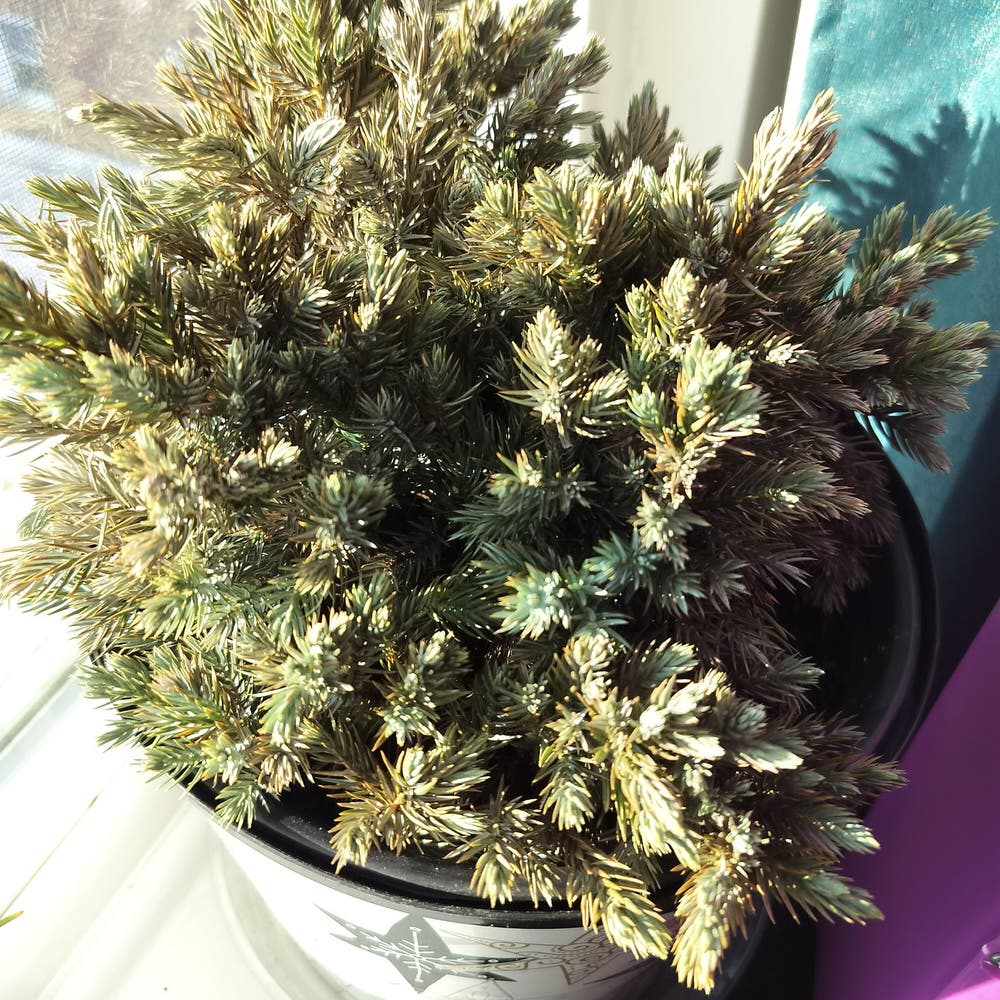
💧 Why Are My Blue Star Juniper Leaves Mushy?
Juniperus squamata
By the Greg Editorial Team
Jun 18, 2024•3 min read
This article was created with the help of AI so we can cover more plants for you. May contain errors. See one? Report it here.
- Mushy leaves signal trouble; look for discoloration and dropping leaves.
- Overwatering and poor drainage are common culprits; adjust care accordingly.
- Fungicides help fight fungi; use copper-based ones for best results.
Spotting the Signs of Trouble
🍂 Recognizing Mushy Leaves
Mushy leaves on a Blue Star Juniper don't just look off; they feel wrong. When you press them, they might cave like a poorly inflated tire. Discoloration is another dead giveaway—leaves turning a sickly yellow or brown are sending an SOS.
🚨 Other Symptoms to Watch For
Beyond the mush, be on the lookout for leaves that drop easier than a hot potato. If the roots feel like they've been through a disaster movie, you've got more than just an aesthetic problem. Dark spots or a plant that looks like it's lost the will to live are your cue to jump into action. Keep an eye on the soil too; if it's still wet days after watering, you're probably overdoing it. And if there's a moldy smell, it's not just your nose that's suffering—your plant is too.

The Main Culprits Behind the Mush
🌊 Overwatering Woes
Overzealous watering turns Blue Star Juniper leaves into a soggy debacle. It's the plant equivalent of waterboarding. Check the soil; if it's wet, put the watering can down. Your juniper isn't gasping for a drink.
🚰 Drainage Disasters
Drainage is the unsung hero in the plant world. Without it, your Blue Star Juniper's roots are swimming, not growing. Ensure your pot is more hole than pot and mix in some grit to keep those roots breathing, not drowning.
🍄 Fungal Foes
Fungi are the ninjas of plant problems, often unseen until it's too late. They turn robust leaves into mush under the cover of excess moisture. Spot them early, and go on the offensive with fungicide—it's your best counterattack.

Turning Things Around
💧 Fine-Tuning Your Watering Technique
Watering your Blue Star Juniper is less about frequency and more about feel. The soil should be moist, not drenched. Use the finger test—dip into the soil up to the first knuckle; if it's dry, it's time to water. Aim for the base to keep leaves dry, preventing a fungal free-for-all.
🏗 Fixing the Foundation
Drainage is crucial. If your soil holds water like a sponge, mix in perlite or coarse sand to improve flow. Ensure pots have drainage holes—think of them as emergency exits for excess water. Consider elevating the pot to promote air flow and prevent water from pooling.
🍄 Fungicide to the Rescue
When fungi have crashed the party, it's time for fungicides. Go for copper-based options, applying with precision to every leaf and crevice. Follow the reapplication schedule like it's the law. If you're out of your depth, don't hesitate to seek professional advice.

Keeping the Mush at Bay
💧 Watering Wisdom
Check the soil before you water. If it's damp, postpone your watering session. Deep watering is key; it promotes robust root growth. Overwatering is a sure path to mushy leaves, so let the soil dry out between waterings.
🌱 Soil and Site Selection
Choose well-draining soil and a location that doesn't trap water. Ensure your Blue Star Juniper is planted in an area that matches its needs for sunlight and space. Proper spacing is crucial for air circulation and preventing disease.
🛡️ Proactive Plant Care
Inspect your plant regularly for early signs of distress. Keep the area clean and tools sterilized to prevent the spread of disease. Mulching helps retain moisture but don't overdo it—too much can lead to excess moisture and disease.
⚠️ Safety First
This content is for general information and may contain errors, omissions, or outdated details. It is not medical, veterinary advice, or an endorsement of therapeutic claims.
Always consult a qualified healthcare professional before using any plant as food, medicine, or supplement.
Never eat any plant (or feed one to pets) without confirming its identity with at least two trusted sources.
If you suspect poisoning, call Poison Control (800) 222-1222, the Pet Poison Helpline (800) 213-6680, or your local emergency service immediately.
Spotted an error? Please report it here.
Combat mushy leaves in your Blue Star Juniper by following Greg's custom watering reminders 💧, ensuring your plant stays healthy and well-drained.