Why Is My Pellaea rotundifolia Not Doing Well?
Hemionitis rotundifolia
By the Greg Editorial Team
Jun 18, 2024•5 min read
This article was created with the help of AI so we can cover more plants for you. May contain errors. See one? Report it here.
- Over/under-watering signs: Yellow leaves, soggy soil, or wilting.
- Consistent care is crucial: Water, light, temperature, and pest monitoring.
- Combat pests organically: Neem oil and insecticidal soap are effective.
Thirsty or Drowning? Navigating Water Woes
💧 Signs of Water Stress
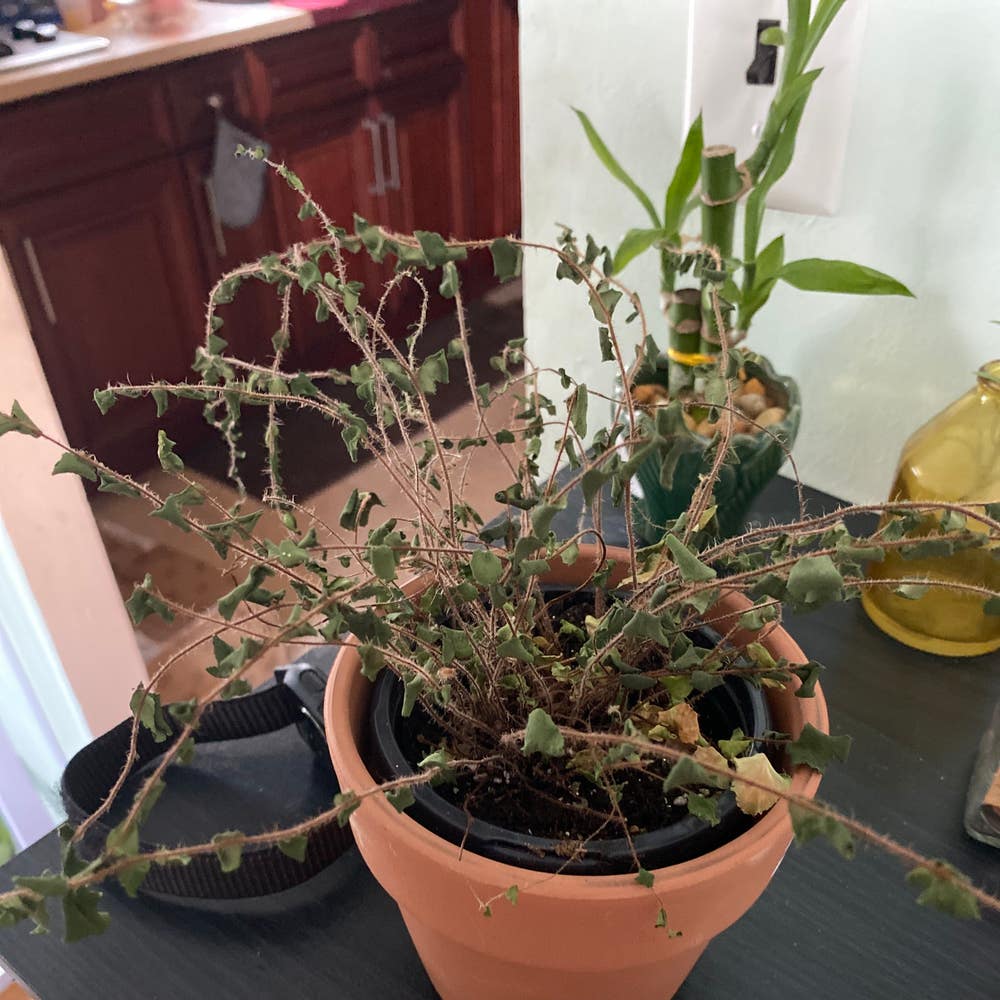
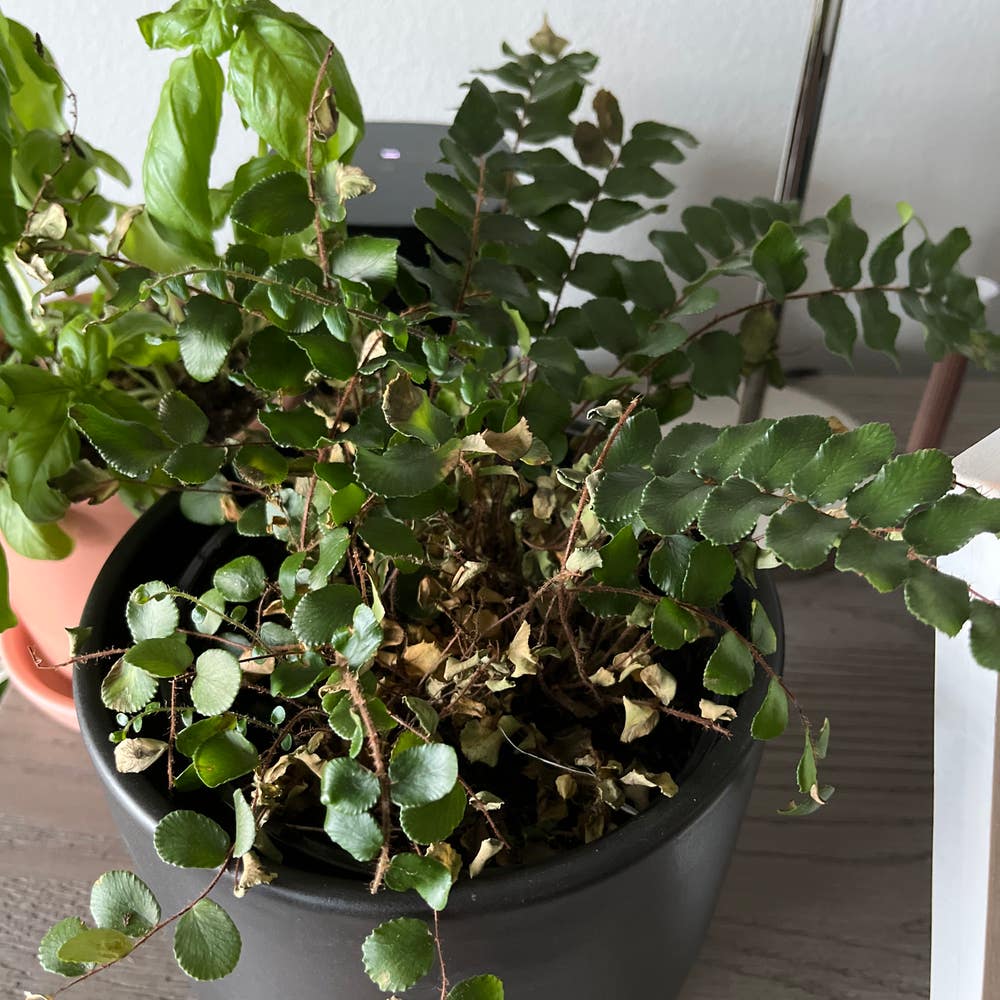
Identifying symptoms of over-watering and under-watering is crucial.
💦 Over-watering Symptoms
- Yellow leaves: A classic distress signal.
- Soggy soil: Feels like a wet sponge long after watering.
- Limp stems: More flaccid than a forgotten celery stick in the fridge.
🏜️ Under-watering Symptoms
- Wilting leaves: They droop like they've just given up on life.
- Dry soil: Crumbly and more barren than a desert.
- Brown tips: The plant equivalent of split ends.
🎯 Finding the Sweet Spot
Achieving the right watering balance is more art than science.
- Consistency: Stick to a schedule, but stay flexible.
- Soil check: The finger test never lies—dry inch down, it's time to water.
- Pot drainage: Ensure your pot's not holding water hostage.
🌦️ When to Water and When to Wait
Adjusting your watering schedule with the seasons is key.
- Summer: Plants are thirstier—keep the drinks coming.
- Winter: They're basically hibernating—ease up on the watering can.
- Weather watch: Hot and dry? Water more. Cool and wet? Hold back.
Remember, your plant won't text you when it's thirsty. Keep your eyes peeled and your finger dirty.

Light and Temperature: The Balancing Act
🌞 Too Much Sun, Not Enough Light
Recognizing the signs of improper lighting is crucial for the health of your Pellaea rotundifolia. If the leaves are browning at the tips or the plant's growth seems stunted, it's likely getting too much direct sunlight. Conversely, leggy stems or a lack of vibrant color can indicate a need for more light. It's a delicate dance to find that sweet spot of bright, indirect light where your plant thrives without getting scorched.
🌡️ Keeping It Cozy
Temperature consistency is the unsung hero of plant care. Avoid placing your Pellaea rotundifolia near drafty windows or heat sources, as these can cause temperature fluctuations that stress the plant. Aim for a steady indoor climate, akin to a steady relationship, to keep your green companion comfortable. Remember, your plant doesn't want to shiver or sweat; it craves that just-right feel throughout the year.

Uninvited Guests: Tackling Pests
🐜 Spotting Trouble
Pests on your Pellaea rotundifolia are like bad roommates; they take up space without contributing positively. Mealybugs look like tiny cotton swabs clinging to stems and leaves. Spider mites leave behind fine webs and yellow speckling. Scale appears as small, brown, dome-shaped bumps. If leaves are yellowing or dropping, it's time for a closer inspection.
🌿 Natural Defenses
Combat these pests with neem oil, a natural insecticide that's safe for your plant and home. Apply it directly to the pests or as a soil drench for root-dwelling nuisances. Insecticidal soap can also be used to wash off the freeloaders. For persistent problems, introduce predatory insects like ladybugs, which are like nature's pest control agents. Remember, the key is consistency; reapply treatments as needed and monitor your plant closely.

Soil and Fungal Issues: A Root Cause Analysis
🍄 Mold, Fungus, and Root Rot
Root rot is the silent assassin of Pellaea rotundifolia, often going unnoticed until it's too late. Detecting this condition involves a close examination of your plant's roots for telltale signs: roots that are brown, mushy, or emit a foul odor are waving red flags. If the soil's more waterlogged than a sunken ship, you've found the culprit. It's time to play surgeon—snip off the infected parts with sterilized precision.
Mold in the soil can be a less dire, yet still concerning issue. It's like finding mold on bread—unsightly, but not the end of the world. Look for a fuzzy invasion on the soil surface or around the pot's drainage holes. While these molds don't directly attack your plant, they're a symptom of overly damp conditions that can lead to more serious problems like root rot.
Prevention and Cure
To prevent these underworld dramas, think of your soil as a breathable living space. It should be airy and light, not dense and suffocating. Well-draining soil is your best defense, paired with a watering routine that doesn't drown your plant's roots. Remember, it's not just about less water—it's about the right balance.
When treating existing issues, it's all about getting back to basics. Remove the plant from its pot with the care of a bomb technician and wash away the soil to assess the damage. Cut away any rotted roots, then repot in fresh, well-draining soil. Consider a fungicide as a sidekick in your battle, but don't rely on it as the hero. Regularly check your plant for early distress signals, like yellowing leaves or a musty smell, to catch problems before they escalate.
Reviving Your Pellaea rotundifolia: A Careful Approach
🚱 Common Mistakes to Avoid
Overwatering is the fast track to root rot. Your Pellaea rotundifolia isn't a fish; it doesn't need to swim. Underwatering isn't any better—think of it as a silent cry for help. Direct sunlight? A surefire way to scorch those delicate fronds. And let's not forget about neglecting pests. Those little buggers can turn your plant into an all-you-can-eat buffet.
To correct these errors, let's get hands-on. Check the soil before watering—moist, not soggy, is the mantra. Find a spot with bright, indirect light where your Pellaea can bask without the burn. And keep an eye out for pests. Spot them early, and you're halfway to victory.
🌱 A Fresh Start
Sometimes, a fresh start is the best start. If your Pellaea rotundifolia has seen better days, consider repotting in fresh, well-draining soil. This gives you a chance to trim any rotten roots and say goodbye to any unwanted fungal guests.
Monitor your plant's recovery like it's the season finale of your favorite show. Adjust care as needed, because your Pellaea doesn't know it's winter if it's always 70°F in your living room. Remember, consistency is key: water, light, and temperature should be as stable as your love for this little green gem.
By avoiding these pitfalls, your Pellaea rotundifolia won't just survive; it'll thrive. And isn't that the point?
⚠️ Safety First
This content is for general information and may contain errors, omissions, or outdated details. It is not medical, veterinary advice, or an endorsement of therapeutic claims.
Always consult a qualified healthcare professional before using any plant as food, medicine, or supplement.
Never eat any plant (or feed one to pets) without confirming its identity with at least two trusted sources.
If you suspect poisoning, call Poison Control (800) 222-1222, the Pet Poison Helpline (800) 213-6680, or your local emergency service immediately.
Spotted an error? Please report it here.
Ensure your Pellaea rotundifolia thrives with Greg's 🌿 custom watering plans, ensuring you never over or under-water again.