Why Are My Pellaea rotundifolia Leaves Falling Over?
Hemionitis rotundifolia
By the Greg Editorial Team
Jun 18, 2024•4 min read
This article was created with the help of AI so we can cover more plants for you. May contain errors. See one? Report it here.
- 🌱 Overwatering? Let soil dry before watering again and check for drainage.
- 🌞 Bright, indirect light is best to prevent drooping leaves.
- 💪 Feed with diluted fertilizer during growing season for nutrient boost.
Why Your Pellaea's Leaves Might Be Drooping
💧 Overwatering Woes
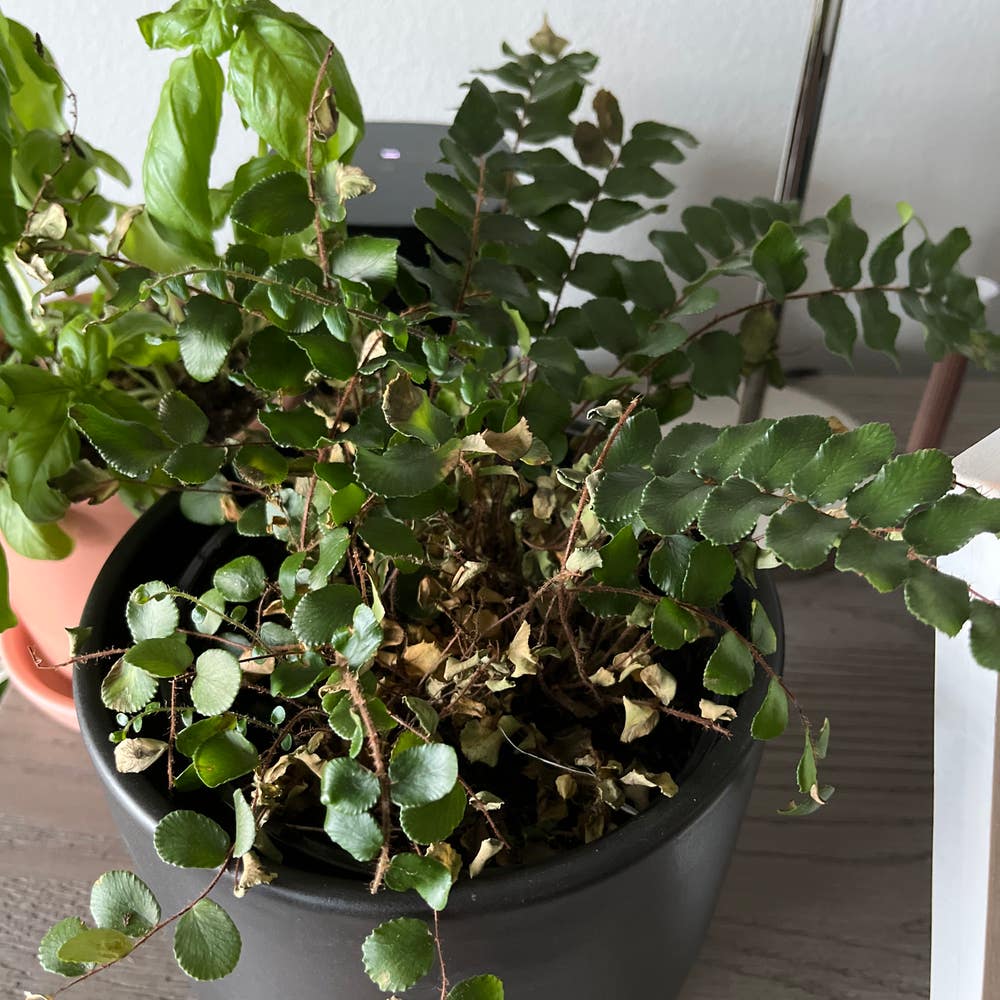
Yellowing leaves and a soggy soil touch are the hallmarks of overwatering. If your Pellaea rotundifolia is swimming in moisture, it's time to cut back on the waterworks. Let the topsoil dry before the next watering, and ensure your pot has drainage holes to avoid root rot.
🏜️ Thirsty Fronds
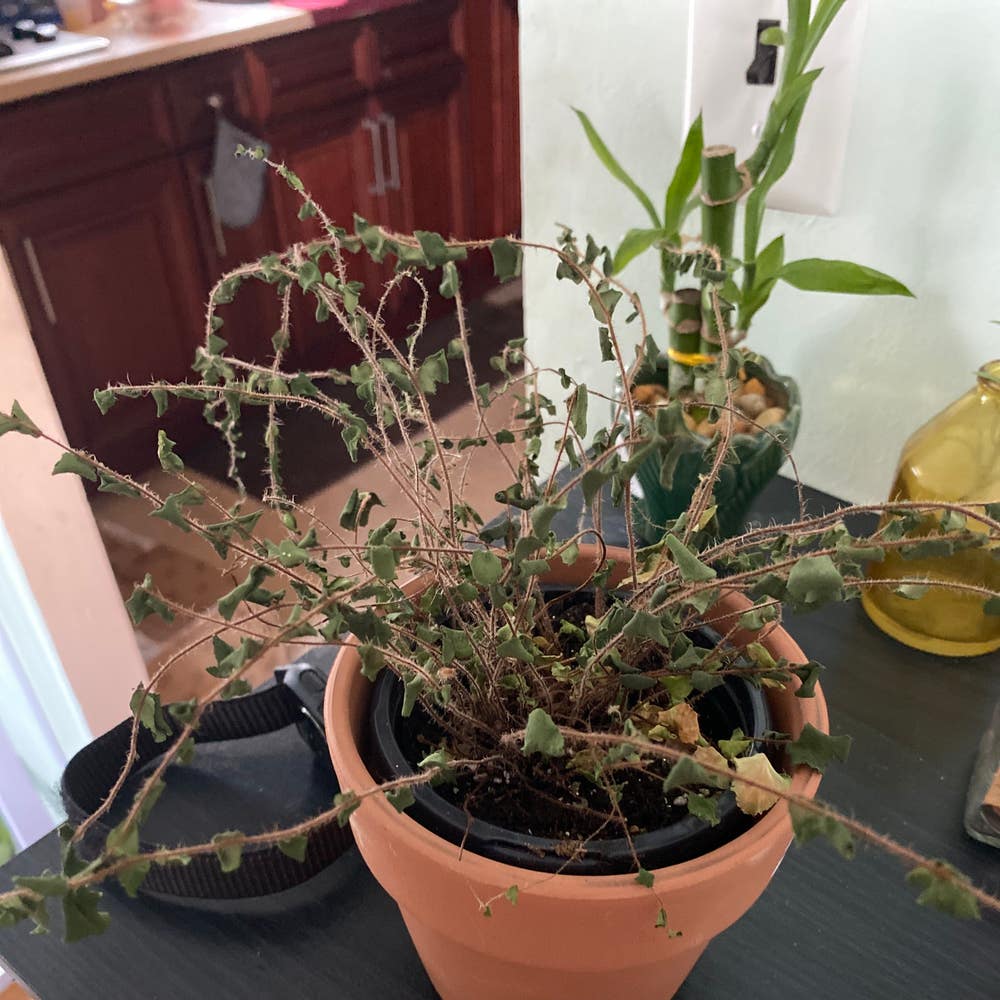
Conversely, leaves that droop like they've given up on life could mean your Pellaea is thirsty. Check for crispy leaves and bone-dry soil. When watering, do so thoroughly but infrequently, allowing the soil to dry out slightly between drinks.
🌞 Light: Finding the Sweet Spot
If your Pellaea's leaves are fading or getting scorched, it might be getting too much direct sunlight. On the flip side, if it's stretching out like it's trying to grab something just out of reach, it's probably not getting enough light. Aim for bright, indirect light to keep your plant happy without the sunburn.
🍽️ Hungry for Nutrients
A Pellaea that's low on nutrients might have pale or yellowing leaves. It's craving a balanced meal. Feed it with a diluted, balanced fertilizer during the growing season, but don't overdo it—too much, and you'll have a case of nutrient overload.
🚰 Cramped Roots in Tight Spaces
If your Pellaea is packed in its pot like a subway at rush hour, it's time to give it some breathing room. Repot your plant into a slightly larger container with fresh, well-draining soil. This will allow the roots to spread out and support healthy leaf growth.

First Aid for Fallen Fronds
💧 Watering Wisdom
Watering your Pellaea rotundifolia is a delicate dance. Overwatering is a common misstep, leading to droopy leaves. To get your plant back on track, let the soil dry out slightly between waterings. Check the top inch of soil; if it's dry, it's time to water. A moisture meter can be your secret weapon here, ensuring you're not drowning your plant in love.
☀️ Let There Be (The Right Amount of) Light
Your Pellaea prefers the spotlight but not too bright. Indirect light is the sweet spot—think bright, but shielded from the harsh midday sun. If your plant's leaves are falling over, it might be throwing shade at your current lighting setup. Adjust its position to a spot that's just right, like a sun-filtered kitchen or living room.
🍽️ Nutritional Know-How
When it comes to feeding, your Pellaea isn't a glutton. Use a balanced, liquid fertilizer diluted to half strength once a month during the growing season. Over-fertilization can be as harmful as neglect, so watch for signs of excess and prune any damaged leaves to help your plant focus on healthy growth.
🌱 Repotting and Root Care
If your Pellaea's roots are playing sardines, it's time for a new home. Choose a pot that's slightly larger with good drainage. Mix one part potting soil with one part coarse sand or perlite for that well-draining environment roots crave. Repot gently, disturbing the roots as little as possible, and watch your Pellaea breathe a sigh of relief.

Keeping Your Pellaea Perky: Prevention Tips
💧 Consistency is Key
Establishing a care routine is like setting a coffee date with your plant; it thrives on regularity. Water your Pellaea rotundifolia when the top inch of soil feels dry, but don't drench it. Think of it as a sip, not a gulp.
🌡️ Monitoring Moisture
Forget the guesswork. Use a soil moisture gauge to nail the hydration sweet spot. It's like having a plant whisperer at your fingertips, telling you when it's time to water.
🩺 The Importance of Annual Check-Ups
Once a year, play doctor with your Pellaea. Check if the pot still fits like a comfy shoe or if it's time for an upgrade. Root health is non-negotiable; cramped roots are a silent scream for more space.

⚠️ Safety First
This content is for general information and may contain errors, omissions, or outdated details. It is not medical, veterinary advice, or an endorsement of therapeutic claims.
Always consult a qualified healthcare professional before using any plant as food, medicine, or supplement.
Never eat any plant (or feed one to pets) without confirming its identity with at least two trusted sources.
If you suspect poisoning, call Poison Control (800) 222-1222, the Pet Poison Helpline (800) 213-6680, or your local emergency service immediately.
Spotted an error? Please report it here.
Keep your Pellaea rotundifolia perky 🌿 with Greg's timely watering reminders and light metering, ensuring it never droops from neglect!