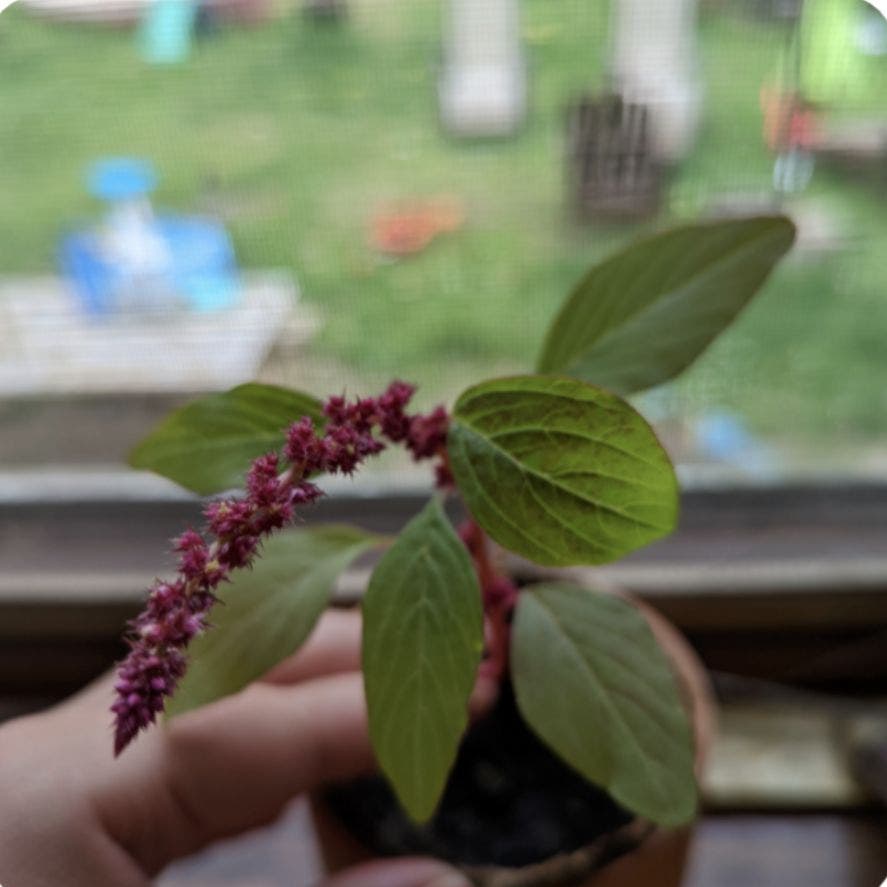
Mexican Grain Amaranth's Best Friends: Top Companion Plants 👫
Amaranthus cruentus
By the Greg Editorial Team
Sep 30, 2024•4 min read
This article was created with the help of AI so we can cover more plants for you. May contain errors. See one? Report it here.
Boost your garden's health 🌱 with companion plants that elevate Mexican Grain Amaranth's growth and pest resistance!
- 🌱 Companion plants like basil and marigold enhance Mexican Grain Amaranth's growth and health.
- 🐞 Pest management improves with companions, reducing reliance on chemicals for Amaranth care.
- 🌽 Avoid nightshades to prevent nutrient competition and ensure Amaranth thrives.
Best Companion Plants for Mexican Grain Amaranth
Plant 1: Basil 🌿
Basil is a fantastic companion for Mexican Grain Amaranth. It thrives in warm climates and well-drained soil, making it a perfect match for Amaranth's growing conditions.
Not only does basil repel pests like aphids and whiteflies, but it also shares a preference for full sun and moderate moisture. This synergy promotes healthy growth for both plants.
Plant 2: Marigold 🌼
Marigolds are another excellent choice for companion planting. Known for their vibrant flowers, they also possess strong pest-repelling properties, particularly against nematodes.
These colorful blooms attract beneficial insects, enhancing the garden's ecosystem while providing a stunning backdrop for Amaranth. Together, they create a visually appealing and productive environment.
Plant 3: Corn 🌽
Corn serves as a natural support system for climbing varieties of Amaranth. Both plants share similar nutrient needs, which can enhance soil health.
Additionally, they thrive under the same watering and sunlight conditions. This compatibility makes them ideal partners in the garden.
Plant 4: Cucumber 🥒
Cucumbers also make great companions for Amaranth. They flourish in similar soil conditions and moisture levels, ensuring a harmonious growing environment.
Moreover, cucumbers can shade the base of Amaranth, reducing weed competition. This mutual benefit enhances growth for both plants, making them a winning combination.
These companion plants not only support the growth of Mexican Grain Amaranth but also contribute to a thriving garden ecosystem. Next, let’s explore how these plants can help manage pests effectively.
Pest Management
🌱 Role of Companion Plants in Pest Repellent Properties
Companion plants play a crucial role in pest management by naturally deterring harmful insects. This reduces the need for chemical interventions, promoting a healthier garden ecosystem.
Creating a balanced ecosystem is essential. When plants work together, they enhance each other's defenses, making it harder for pests to thrive.
🐞 Specific Pests That Mexican Grain Amaranth May Face
Mexican Grain Amaranth can attract several common pests. Watch out for aphids, spider mites, and whiteflies, as they can cause significant damage.
Signs of infestation include yellowing leaves, stunted growth, and webbing on the plant. Early detection is key to preventing further harm.
🌼 Companion Plants That Deter These Pests
Certain companion plants are particularly effective at repelling these pests. For instance, basil is known to repel aphids and whiteflies, making it an excellent partner for Amaranth.
Marigolds also shine in this role, deterring nematodes and other harmful insects. Their vibrant blooms not only beautify your garden but also contribute to pest management.
By strategically planting these companions, you can create a thriving environment for Mexican Grain Amaranth while keeping pests at bay. This approach not only enhances plant health but also fosters a more sustainable gardening practice.
Next, let’s explore which plants to avoid when growing Mexican Grain Amaranth to ensure optimal growth and health.
Plants to Avoid
🌙 Nightshade Family
Certain plants from the nightshade family, like tomatoes and potatoes, should be kept away from Mexican Grain Amaranth. These plants compete for nutrients and water, which can stunt the growth of your Amaranth.
🌿 Strongly Aromatic Herbs
Strongly aromatic herbs, such as sage, also pose a risk. They can attract pests that might harm Amaranth, creating an unnecessary headache for gardeners.
🚫 Reasons for Avoidance
The competition for resources is a significant concern. When plants vie for the same nutrients and moisture, it can lead to poor growth and yield.
Additionally, some plants may inadvertently attract pests. Keeping these unwanted guests away helps maintain a healthy garden ecosystem.
By avoiding these plants, you can create a more harmonious environment for your Mexican Grain Amaranth. This proactive approach ensures your garden thrives without unnecessary complications.
Next, let’s explore the symbiotic relationships that can enhance your gardening experience.
Symbiotic Relationships
Understanding Symbiotic Relationships in Companion Planting 🌱
Companion planting is all about creating a harmonious garden where plants support each other. Through nutrient sharing and natural pest deterrence, plants can thrive together, leading to a healthier ecosystem.
Nutrient Sharing and Pest Control 🐞
For instance, Mexican Grain Amaranth and Basil make a fantastic duo. Basil not only helps repel pests like aphids but also benefits from the nutrients that Amaranth provides, creating a win-win situation.
Attracting Pollinators and Beneficial Insects 🐝
Another great pairing is Amaranth and Marigold. While Marigolds attract pollinators and beneficial insects, they also help keep harmful pests at bay, enhancing the overall health of your garden.
Conclusion 🌼
These symbiotic relationships highlight the beauty of companion planting. By choosing the right partners, you can cultivate a thriving garden that minimizes pests and maximizes growth. Next, let’s explore how to manage pests effectively in your garden.
⚠️ Safety First
This content is for general information and may contain errors, omissions, or outdated details. It is not medical, veterinary advice, or an endorsement of therapeutic claims.
Always consult a qualified healthcare professional before using any plant as food, medicine, or supplement.
Never eat any plant (or feed one to pets) without confirming its identity with at least two trusted sources.
If you suspect poisoning, call Poison Control (800) 222-1222, the Pet Poison Helpline (800) 213-6680, or your local emergency service immediately.
Spotted an error? Please report it here.
Boost your Mexican Grain Amaranth's growth with perfect companions 🌿 and let Greg guide you with tailored care tips and pest management reminders for a flourishing garden!