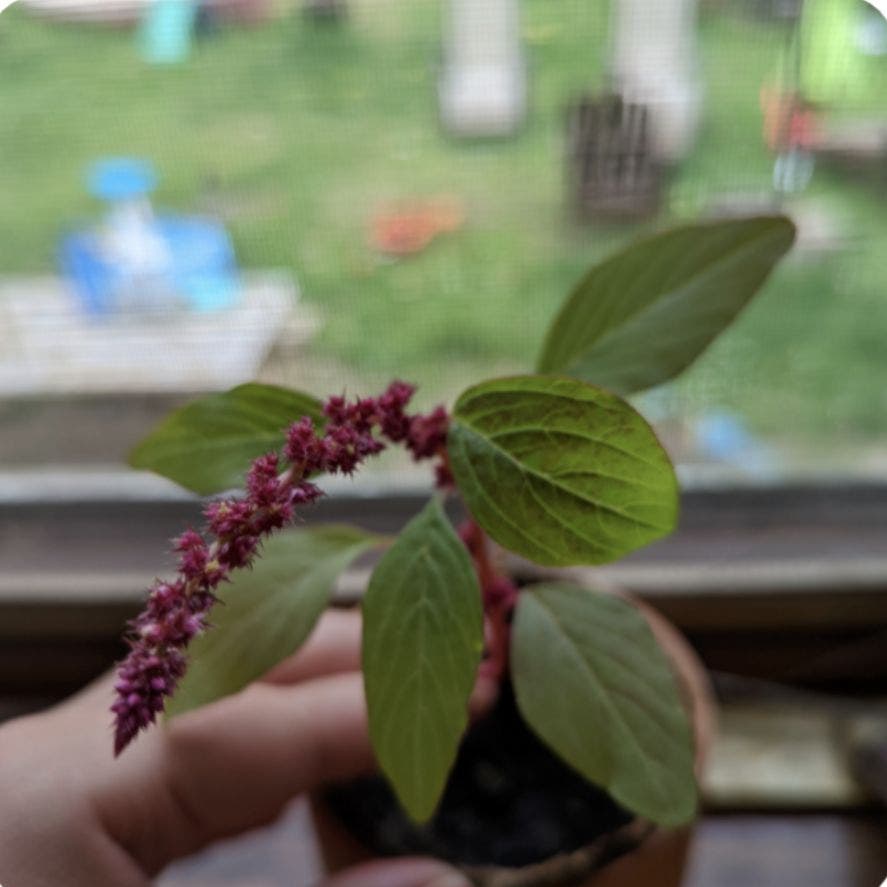
3 Ideal Locations to Plant Mexican Grain Amaranth 🥄
Amaranthus cruentus
By the Greg Editorial Team
Sep 30, 2024•2 min read
This article was created with the help of AI so we can cover more plants for you. May contain errors. See one? Report it here.
Boost your Mexican grain amaranth yield 🌾 by discovering the best planting spots and conditions for thriving growth!
- ☀️ Mexican grain amaranth thrives in full sun, needing 6-8 hours daily for growth.
- 🌱 Ideal soil is sandy or loamy with pH 6.0-7.0 for nutrient availability.
- 🌬️ Wind protection and spacing are crucial for healthy amaranth plants.
Ideal Planting Locations
☀️ Sunlight Exposure
Full Sun Requirements
Mexican grain amaranth thrives in full sun, requiring 6-8 hours of direct sunlight daily. This exposure is crucial as it enhances growth, flowering, and seed production.
Effects of Partial Shade
While amaranth can tolerate light shade, it’s best to limit this to no more than 2-3 hours per day. Insufficient sunlight can lead to reduced growth and fewer flowers, ultimately impacting seed yield.
🌱 Soil Conditions
Preferred Soil Types
For optimal growth, amaranth prefers sandy or loamy soil. Sandy soil offers excellent drainage, while loamy soil provides a balanced texture that retains moisture without becoming waterlogged.
Soil pH Considerations
Aim for a soil pH between 6.0 and 7.0 for the best nutrient availability. Use a soil test kit to check your soil's pH and make adjustments as needed.
Drainage Needs
Good drainage is vital to prevent root rot and promote healthy growth. Signs of poor drainage include water pooling and yellowing leaves, which indicate that your plants may be struggling.
🌿 Proximity to Other Plants
Companion Planting Benefits
Companion planting can enhance nutrient uptake. Ideal companions for amaranth include beans, corn, and other legumes, while it's wise to avoid plants that attract pests or compete for nutrients.
Avoiding Overcrowding
To allow for vertical growth, space your amaranth plants 12-18 inches apart. Overcrowding can lead to reduced airflow, increasing the risk of disease.
🌡️ Assessing Microclimates
Identifying Warm and Cool Spots
Observe sunlight patterns and temperature variations throughout the day to identify warm and cool spots in your garden. South-facing areas are typically warmer and more suitable for planting.
Impact of Nearby Structures
Consider how nearby structures like walls and fences can create heat pockets or shade. Choose locations that benefit from reflected heat without excessive shade to optimize growth conditions.
🌬️ Wind Protection Strategies
Natural Barriers
Utilize natural barriers such as trees and shrubs to act as windbreaks. Position these barriers strategically to shield your plants from prevailing winds.
Using Garden Structures
Garden structures like trellises, fences, or screens can also serve as effective windbreaks. They protect tall growth from wind damage, promoting overall plant health.
With the right sunlight, soil, and protection, your Mexican grain amaranth will flourish beautifully. Next, let’s explore the best practices for nurturing these vibrant plants throughout their growth cycle.
⚠️ Safety First
This content is for general information and may contain errors, omissions, or outdated details. It is not medical, veterinary advice, or an endorsement of therapeutic claims.
Always consult a qualified healthcare professional before using any plant as food, medicine, or supplement.
Never eat any plant (or feed one to pets) without confirming its identity with at least two trusted sources.
If you suspect poisoning, call Poison Control (800) 222-1222, the Pet Poison Helpline (800) 213-6680, or your local emergency service immediately.
Spotted an error? Please report it here.
Unlock a bountiful harvest 🌾 by planting Mexican grain amaranth in the right spots, and let Greg guide you with tailored care tips to ensure your plants thrive!