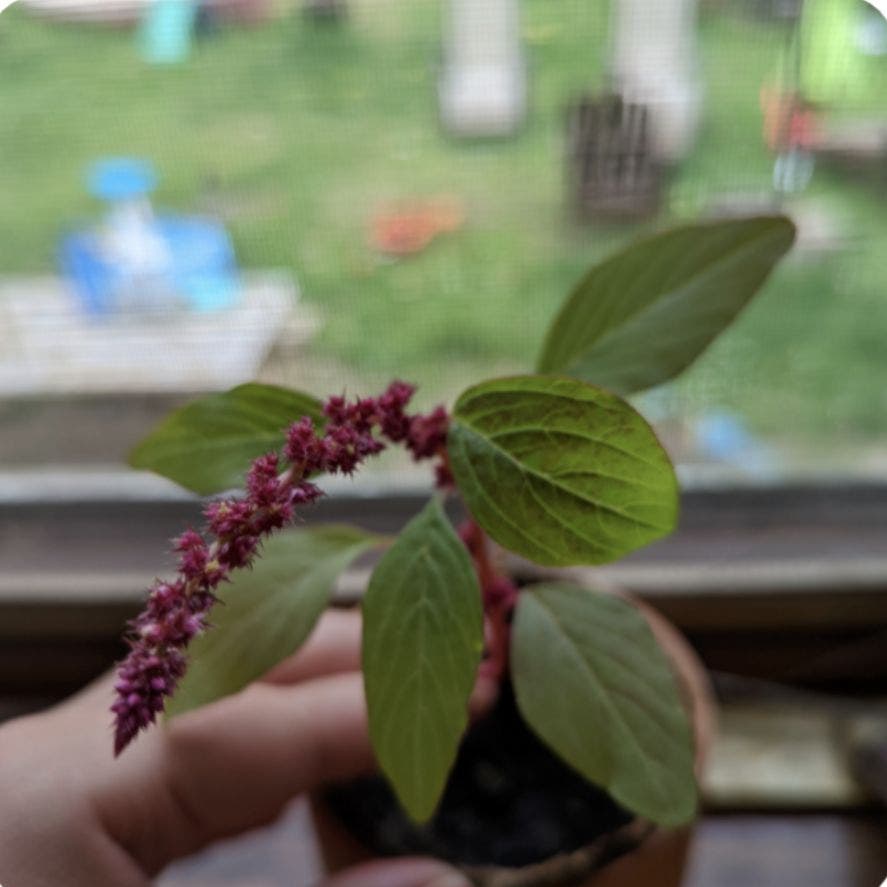
5 Key Factors in Choosing a Mexican Grain Amaranth Pot 🪴
Amaranthus cruentus
By the Greg Editorial Team
Sep 30, 2024•6 min read
This article was created with the help of AI so we can cover more plants for you. May contain errors. See one? Report it here.
Unlock vibrant growth for your Mexican grain amaranth 🌱 by choosing the perfect pot size for every stage!
- 🌱 Choose the right pot size for each growth stage to ensure healthy amaranth growth.
- 🧱 Select breathable materials like fabric or clay to promote root health and drainage.
- 🔄 Repot every 1-2 years or when roots outgrow the pot to prevent stress.
Pot Sizes for Different Growth Stages
🌱 Importance of Pot Size
Choosing the right pot size is crucial for the healthy growth of Mexican grain amaranth. Each growth stage requires specific pot dimensions to ensure optimal root development and nutrient absorption.
🌿 Seedling Stage
For seedlings, a pot size of 4-6 inches in diameter is ideal. This size provides enough space for young roots to establish without overwhelming them.
🌳 Vegetative Stage
As the plant enters the vegetative stage, it’s time to upgrade to a pot that is 8-12 inches in diameter. This increase allows for more robust growth and nutrient uptake.
🌾 Mature Stage
When your amaranth reaches maturity, a pot size of 12-16 inches in diameter is recommended. This spacious environment supports the extensive root system that develops during this phase.
📏 General Guideline
A good rule of thumb is to increase the pot size by 2-4 inches as the plant matures. This gradual transition helps prevent stress and promotes healthy growth.
Understanding pot sizes at each stage can significantly impact your plant's health. With the right size, your Mexican grain amaranth will thrive, setting the stage for a bountiful harvest.
Next, let’s explore the recommended pot materials to further enhance your planting experience.
Recommended Pot Materials
Material Benefits and Drawbacks 🌱
When selecting a pot for your Mexican grain amaranth, the material plays a crucial role in plant health. Each type of pot comes with its own set of advantages and disadvantages.
Clay Pots
Clay pots are a popular choice due to their breathability. They allow air exchange, which helps regulate moisture levels.
However, they can be quite heavy and may dry out faster than other materials. This means you’ll need to monitor watering more closely.
Plastic Pots
Plastic pots are lightweight and excellent at retaining moisture. This makes them a convenient option for those who prefer less maintenance.
On the downside, they are less breathable. Overwatering can lead to root rot, so it's essential to keep an eye on soil moisture.
Other Materials
Fabric pots are gaining popularity for their good aeration and drainage. They promote healthy root growth and are easy to handle.
Metal pots, while stylish, are generally not recommended. They can retain heat, which may stress your plants, especially in warmer climates.
Choosing the right pot material is essential for the health of your Mexican grain amaranth. Consider your climate and care preferences to make the best choice.
As you explore pot materials, remember that proper drainage is equally important. Let’s dive into why drainage holes are vital for your plant’s success.
Importance of Drainage Holes
Ensuring Healthy Root Growth 🌱
Drainage holes are crucial for the health of your Mexican grain amaranth. They prevent waterlogging and root rot, allowing excess moisture to escape and keeping roots happy.
Recommended Number of Holes 🔢
For optimal drainage, aim for at least 3-5 holes in your pot. This ensures that water can flow freely, reducing the risk of stagnant moisture.
Tips for Ensuring Proper Drainage 💧
To enhance drainage, consider adding a layer of gravel or stones at the bottom of the pot. This simple step can significantly improve airflow and moisture regulation, promoting robust root growth.
With the right drainage setup, your plants will thrive, setting the stage for vibrant growth. Next, let’s explore how to repot your Mexican grain amaranth for continued success.
Repotting Mexican Grain Amaranth
🕒 When and How to Repot
Repotting is crucial for the health of your Mexican Grain Amaranth. Watch for signs that indicate it's time to make a move.
Signs That Repotting Is Needed
- Roots Growing Out of Drainage Holes: This is a clear indicator that your plant is cramped.
- Stunted Growth Despite Proper Care: If your plant isn’t thriving, it might be time for a new pot.
- Soil Drying Out Too Quickly: Rapid drying can signal that the roots are outgrowing their space.
📅 Recommended Frequency
Aim to repot every 1-2 years or whenever your plant outgrows its current pot. This keeps your amaranth healthy and thriving.
🪴 Steps for Choosing the Right Pot
Selecting the right pot is essential for your plant's growth. Follow these steps to ensure a smooth transition:
- Assess Current Pot Size and Root Health: Check if the roots are healthy and how much space they have.
- Select a New Pot That Is 2-4 Inches Larger in Diameter: This gives your plant room to grow without overwhelming it.
- Choose Appropriate Material Based on Climate and Care Preferences: Consider factors like weight and moisture retention.
- Ensure New Pot Has Adequate Drainage Holes: At least 3-5 holes are recommended to prevent waterlogging.
- Prepare the New Pot with Fresh Potting Mix: This provides a nutrient-rich environment for your plant.
Repotting may seem daunting, but it’s a rewarding process that promotes healthy growth. With the right pot and care, your Mexican Grain Amaranth will flourish beautifully.
Next, let’s explore common mistakes in pot selection to avoid pitfalls that could hinder your plant's growth.
Common Mistakes in Pot Selection
⚠️ Avoiding Pitfalls
Choosing the right pot for your Mexican grain amaranth is crucial. One of the most common mistakes is opting for overly small pots.
Small pots limit root expansion, leading to nutrient deficiencies. You might notice roots circling the pot or stunted growth as signs that your plant is unhappy.
Another frequent error is selecting pots without drainage holes. This can result in water accumulation, which often leads to root rot.
To avoid this pitfall, always check for drainage holes before making a purchase. A pot with proper drainage is essential for healthy root growth.
💡 Quick Tips for Pot Selection
- Size Matters: Ensure the pot is large enough to accommodate growth.
- Check for Drainage: Look for at least 3-5 holes for optimal drainage.
By avoiding these common mistakes, you set your Mexican grain amaranth up for success. With the right pot, your plant can thrive and flourish.
Next, let’s explore the seasonal considerations for pot selection to further enhance your gardening experience.
Seasonal Considerations for Pot Selection
🌱 Adjusting for Growth Conditions
Choosing the right pot for your Mexican grain amaranth can significantly impact its growth, especially with changing seasons.
☀️ Spring and Summer
During the warmer months, larger pots are essential. They provide ample space for rapid root expansion and nutrient uptake.
Opt for lightweight materials to make moving your pots easier. This flexibility allows you to reposition them for optimal sunlight exposure.
🍂 Fall and Winter
As temperatures drop, consider downsizing your pots. Smaller pots can help reduce moisture retention, which is crucial in cooler weather.
Additionally, insulated materials are a smart choice. They protect the roots from harsh cold, ensuring your plants remain healthy through the winter months.
By adjusting your pot selection according to the seasons, you can create an ideal environment for your Mexican grain amaranth to thrive.
This thoughtful approach sets the stage for the next important factor: understanding common mistakes in pot selection.
⚠️ Safety First
This content is for general information and may contain errors, omissions, or outdated details. It is not medical, veterinary advice, or an endorsement of therapeutic claims.
Always consult a qualified healthcare professional before using any plant as food, medicine, or supplement.
Never eat any plant (or feed one to pets) without confirming its identity with at least two trusted sources.
If you suspect poisoning, call Poison Control (800) 222-1222, the Pet Poison Helpline (800) 213-6680, or your local emergency service immediately.
Spotted an error? Please report it here.
Select the perfect pot for your Mexican grain amaranth 🌿 with Greg's tailored reminders and expert tips, ensuring your plants flourish at every growth stage!