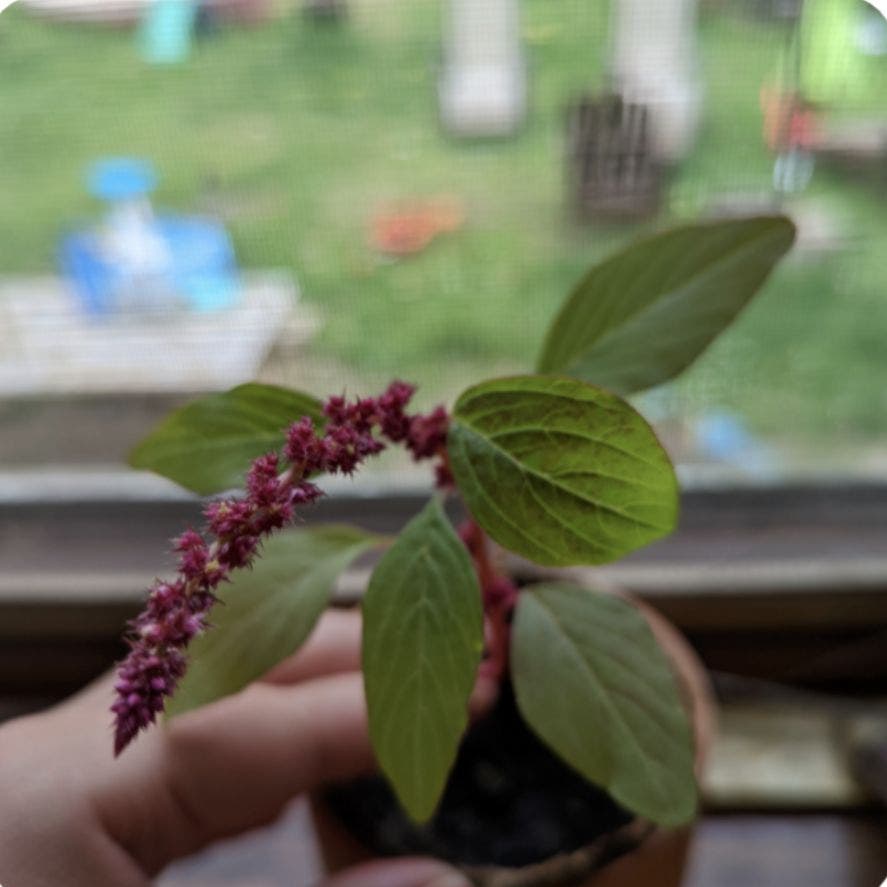
💜 Why Purple Amaranth Is An Annual Plant
Amaranthus cruentus
By the Greg Editorial Team
Sep 29, 2024•6 min read
This article was created with the help of AI so we can cover more plants for you. May contain errors. See one? Report it here.
Unlock your garden's potential with Purple Amaranth's vibrant lifecycle and resilience! 🌱
- 🌱 Purple Amaranth's lifecycle spans 60-90 days, from germination to seed production.
- 🌍 Environmental factors like temperature and moisture greatly influence its growth stages.
- 🌾 High seed production allows a single plant to thrive and adapt quickly.
Characteristics of Purple Amaranth as an Annual
🌱 Lifecycle and Growth Patterns
Purple Amaranth follows a fascinating lifecycle divided into four key stages: germination, vegetative, flowering, and seed production. Each stage is crucial, with germination kicking off the process, followed by rapid vegetative growth, the emergence of vibrant flowers, and finally, the production of seeds.
The timeline for these stages typically spans 60-90 days from germination to seed production. Environmental triggers, such as temperature and moisture levels, play a significant role in transitioning between these stages, ensuring the plant thrives in suitable conditions.
🌼 Reproductive Strategies and Seed Production
When it comes to reproduction, Purple Amaranth employs both self-pollination and cross-pollination strategies. This flexibility allows the plant to maximize its chances of successful reproduction, adapting to varying environmental conditions.
A single Purple Amaranth plant can produce thousands of seeds, showcasing its impressive reproductive capacity. Seed dispersal methods, including wind, water, and animal interactions, are ecologically significant, ensuring the plant can colonize new areas and maintain its population.
Understanding these characteristics not only highlights the resilience of Purple Amaranth but also sets the stage for exploring its evolutionary advantages.
Evolutionary Advantages
Benefits of Being an Annual Plant 🌱
Purple Amaranth thrives as an annual plant due to its quick lifecycle, which allows for rapid population turnover. This speed enables it to take advantage of favorable conditions while avoiding adverse seasons.
Annual plants like Purple Amaranth focus their energy on reproduction rather than longevity. This resource allocation strategy ensures that they maximize their chances of producing seeds before environmental conditions change.
Adaptation Strategies in Various Environments 🌍
Phenotypic plasticity is a key feature of Purple Amaranth, allowing it to adjust to different climates effectively. This adaptability means it can thrive in a range of environments, from arid regions to more humid settings.
Certain environmental conditions, such as warm temperatures and adequate rainfall, favor annual growth. These conditions trigger the plant's growth cycle, ensuring it can complete its lifecycle efficiently.
Genetic diversity plays a crucial role in the adaptation and survival of Purple Amaranth. This diversity equips the plant with various traits that enhance its resilience against changing environmental factors.
As we explore the impact of its annual lifecycle, we’ll see how these evolutionary advantages contribute to the plant's success in diverse settings.
Impact of Annual Lifecycle
🌱 Growth and Flowering Timeline
The lifecycle of Purple Amaranth is a fascinating journey that begins with germination. Typically, this process takes about 7 to 14 days, depending on soil temperature and moisture levels.
Once germinated, the plant enters the vegetative stage, lasting around 30 to 45 days. During this time, it focuses on leaf development, which is crucial for photosynthesis.
As the days lengthen and temperatures rise, environmental cues trigger the flowering stage. This transition is vital for successful seed production, as flowering usually occurs 45 to 60 days after germination.
🌾 Seed Production and Dispersal
Seed production is where Purple Amaranth truly shines. Each plant can produce thousands of seeds, ensuring its survival and proliferation.
Dispersal mechanisms include wind, water, and animal interactions. These methods not only help spread the seeds but also enhance genetic diversity across populations.
To maximize seed production in garden settings, consider companion planting and optimal spacing. This approach can lead to healthier plants and increased yields.
Understanding seed dispersal implications is crucial for future growth cycles. Effective dispersal ensures that new plants can establish themselves in favorable conditions, continuing the cycle of life.
With this knowledge, gardeners can harness the power of Purple Amaranth, ensuring a vibrant and productive garden.
Variations and Exceptions
🌱 Instances of Biennial or Perennial Behavior
While Purple Amaranth is primarily an annual plant, certain conditions can lead it to behave like a biennial or even a perennial. This typically occurs in milder climates where the plant can survive beyond its usual lifecycle, allowing it to flower and produce seeds in its second year.
Some cultivars exhibit variations in their lifecycle, adapting to local conditions. For instance, specific varieties may thrive in regions with extended growing seasons, leading them to persist for multiple years.
Environmental factors play a crucial role in these variations. Factors such as temperature, soil quality, and moisture levels can influence whether Purple Amaranth completes its lifecycle in one year or stretches it over two or more.
Understanding these nuances can help gardeners make informed decisions about cultivation strategies. By recognizing the potential for biennial or perennial behavior, you can tailor your gardening practices to maximize the benefits of this versatile plant.
As we explore the gardening strategies for Purple Amaranth, consider how these variations can enhance your garden's resilience and productivity.
Gardening Strategies
Utilizing Purple Amaranth in Garden Design 🌈
Purple Amaranth is not just a feast for the eyes; it also serves functional roles in your garden. Its vibrant color adds visual interest, while its leaves and seeds are edible, making it a dual-purpose plant.
Companion planting with Purple Amaranth can enhance growth and yield. Pair it with crops like beans or corn, which can benefit from its nutrient-rich presence and provide support for climbing varieties.
Incorporating Purple Amaranth into edible landscapes is a smart move. It thrives in various conditions and can be a striking addition to vegetable gardens, blending beauty with utility.
Tips for Succession Planting ⏳
Staggered planting is key to extending your harvest periods. By sowing seeds at intervals, you can enjoy a continuous supply of fresh greens throughout the growing season.
Aim for planting intervals of 2-3 weeks for optimal results. This approach not only maximizes your garden output but also keeps your meals fresh and exciting.
Succession planting allows you to adapt to changing conditions. It ensures that even if one crop fails, others can still thrive, providing resilience in your gardening efforts.
Techniques for Extending the Growing Season 🌱
Starting seeds indoors is a fantastic way to get a jump on the growing season. This method allows you to transplant robust seedlings outdoors when conditions are just right.
Timing is crucial for planting and harvesting. Pay attention to local frost dates and adjust your planting schedule accordingly to avoid losses.
Protecting your Purple Amaranth from early frost or heat stress can make a significant difference. Use row covers or shade cloths to shield your plants, ensuring they thrive regardless of the weather.
With these strategies, you can make the most of your Purple Amaranth and create a thriving, beautiful garden. Next, let’s explore the variations and exceptions in its lifecycle.
⚠️ Safety First
This content is for general information and may contain errors, omissions, or outdated details. It is not medical, veterinary advice, or an endorsement of therapeutic claims.
Always consult a qualified healthcare professional before using any plant as food, medicine, or supplement.
Never eat any plant (or feed one to pets) without confirming its identity with at least two trusted sources.
If you suspect poisoning, call Poison Control (800) 222-1222, the Pet Poison Helpline (800) 213-6680, or your local emergency service immediately.
Spotted an error? Please report it here.
Unlock the secrets of Purple Amaranth's lifecycle for a bountiful harvest 🌿, and let Greg guide you with personalized care tips and reminders to ensure your garden thrives!