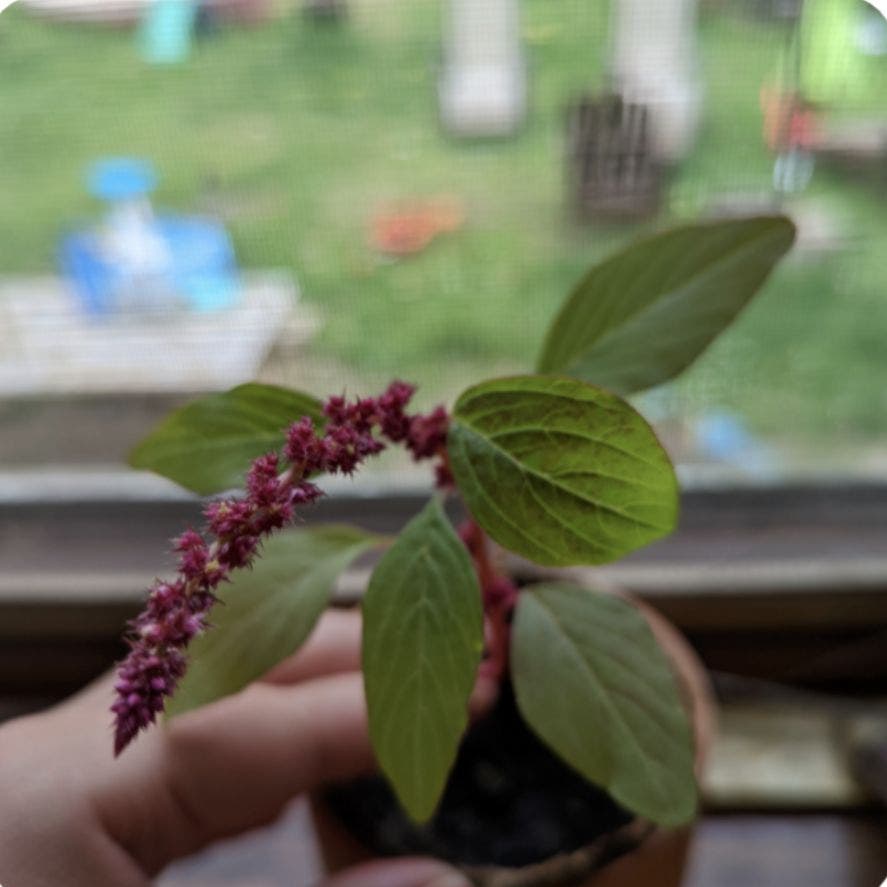
Purple Amaranth is Not an Invasive Plant 💜
Amaranthus cruentus
By the Greg Editorial Team
Sep 29, 2024•4 min read
This article was created with the help of AI so we can cover more plants for you. May contain errors. See one? Report it here.
Elevate your garden's beauty 🌼 and support local wildlife with resilient Purple Amaranth, perfect for eco-friendly spaces!
- 🌱 Purple Amaranth thrives in diverse conditions, growing 2 to 5 feet tall.
- 🐝 Attracts pollinators and supports biodiversity, enhancing your garden's ecosystem.
- 🌼 Non-invasive and low maintenance, perfect for sustainable gardening practices.
Growth Habits
Typical Patterns in Gardens 🌱
Purple Amaranth typically grows between 2 to 5 feet tall, influenced by factors like sunlight and soil quality. Its annual life cycle showcases seasonal variations, making it a dynamic addition to any garden.
Natural Limits to Growth 🌍
This plant thrives in well-drained soils and is remarkably tolerant of drought and poor conditions. However, its spread is naturally limited by environmental factors and competition from other plants, ensuring it doesn't overtake your garden.
By understanding these growth habits, you can better appreciate how Purple Amaranth fits into your gardening plans. Next, let's explore its ecological role and the benefits it brings to local wildlife.
Ecological Role
Benefits to Local Wildlife 🐝
Purple Amaranth plays a vital role in attracting local wildlife. Its vibrant flowers draw in pollinators like bees and butterflies, making it a favorite in any garden.
Additionally, the seeds of Purple Amaranth serve as a nutritious food source for various bird species. This not only supports local avian populations but also enhances the overall ecosystem.
Positive Interactions with Other Plants 🌱
Companion planting with Purple Amaranth can significantly benefit neighboring plants. Its presence can enhance growth and health, creating a more robust garden environment.
Moreover, Purple Amaranth contributes to biodiversity in garden settings. This diversity fosters a balanced ecosystem, promoting resilience against pests and diseases.
Incorporating Purple Amaranth into your garden not only beautifies the space but also supports local wildlife and plant health. As we explore further, let’s look at how to effectively manage this vibrant plant in your garden design.
Garden Management
Incorporating into Garden Designs 🌼
Purple Amaranth can serve as a stunning focal point in your garden. Its vibrant colors make it perfect for borders, adding a striking contrast to other plants.
When planning your layout, consider spacing. Aim for about 12 to 18 inches between each plant to allow for optimal growth and airflow.
Aesthetic Considerations 🎨
Managing the height and spread of Purple Amaranth is essential for a tidy garden. Regular pruning helps maintain its shape and encourages bushier growth.
Don’t forget to plan for seasonal color changes. This plant can provide visual interest throughout the year, so think about how it will interact with other blooms as the seasons shift.
Incorporating these strategies will not only enhance your garden's beauty but also ensure that Purple Amaranth thrives alongside its companions. As you explore these design elements, you'll find that this plant can truly elevate your gardening experience.
Comparison to Other Plants
🌱 Similar Non-Invasive Plants
When considering non-invasive plants, several options share characteristics with Purple Amaranth. For instance, Zinnia and Cosmos are both vibrant and attract pollinators, making them excellent companions in the garden.
These plants typically thrive in similar conditions, showcasing a height range of 1 to 4 feet. They also contribute to the ecosystem by providing food and habitat for beneficial insects.
🌟 Unique Qualities
Purple Amaranth stands out with its striking color and resilience. Its vibrant purple hues can brighten any garden, while its ability to thrive in poor soil conditions makes it a gardener's ally.
Moreover, its cultural significance cannot be overlooked. Many communities celebrate Amaranth for its historical uses in food and traditional practices, adding depth to its appeal.
In comparison to similar species, Purple Amaranth's drought tolerance is a significant advantage. This quality not only conserves water but also ensures that it remains a reliable choice for sustainable gardening.
As we explore the ecological benefits of Purple Amaranth, it’s clear that its unique features make it a valuable addition to any garden. Next, we’ll delve into sustainable gardening practices that can enhance your gardening experience while promoting environmental health.
Legal and Environmental Considerations
🌱 Sustainable Gardening Practices
Sustainable gardening is crucial for maintaining ecological balance. It promotes practices that protect the environment while enhancing plant health.
Purple Amaranth is an excellent fit for sustainable gardening frameworks. Its resilience and low maintenance needs make it a perfect choice for eco-conscious gardeners.
📏 Guidelines for Responsible Gardening
When planting Purple Amaranth, consider its spacing to allow for optimal growth. Aim for at least 12 to 18 inches between plants to prevent overcrowding.
Regular monitoring is essential for maintaining healthy interactions with neighboring plants. Keep an eye on growth patterns and adjust care as needed to ensure a thriving garden ecosystem.
By following these guidelines, you can enjoy the beauty of Purple Amaranth while contributing positively to your garden's environment. This approach not only enhances your garden's aesthetics but also supports local wildlife and biodiversity.
⚠️ Safety First
This content is for general information and may contain errors, omissions, or outdated details. It is not medical, veterinary advice, or an endorsement of therapeutic claims.
Always consult a qualified healthcare professional before using any plant as food, medicine, or supplement.
Never eat any plant (or feed one to pets) without confirming its identity with at least two trusted sources.
If you suspect poisoning, call Poison Control (800) 222-1222, the Pet Poison Helpline (800) 213-6680, or your local emergency service immediately.
Spotted an error? Please report it here.
Transform your garden with Purple Amaranth's vibrant hues 🌸, and let Greg provide tailored care reminders to help your plants thrive effortlessly!