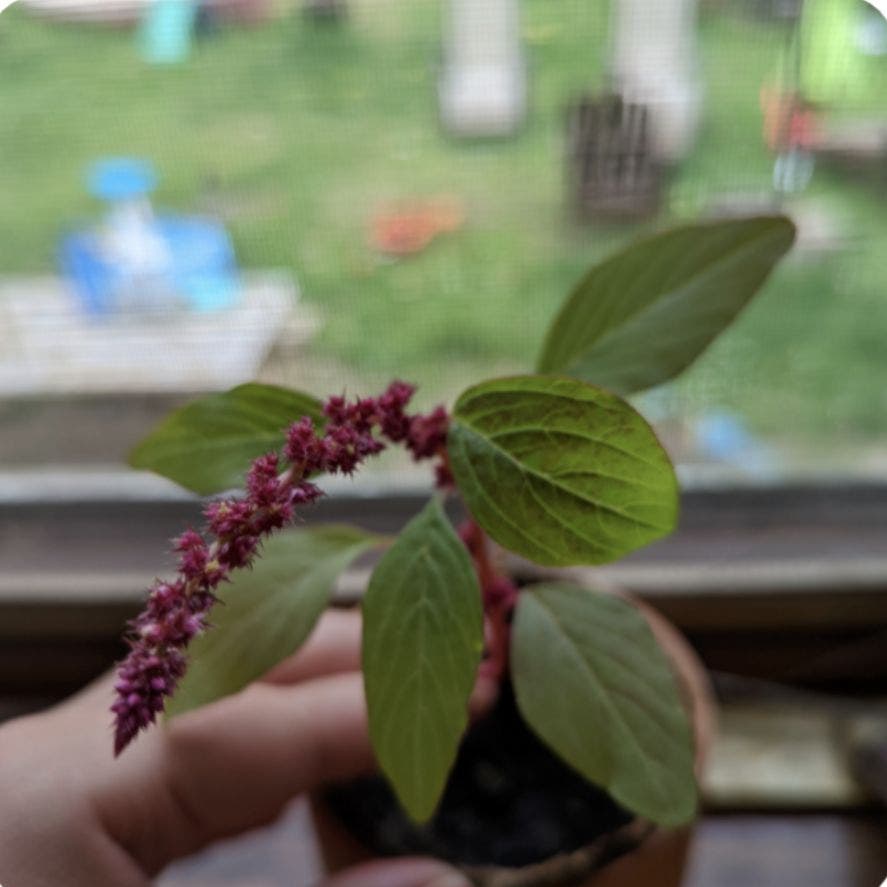
🌽 Mexican Grain Amaranth Is an Annual
Amaranthus cruentus
By the Greg Editorial Team
Sep 30, 2024•6 min read
This article was created with the help of AI so we can cover more plants for you. May contain errors. See one? Report it here.
Unlock your garden's potential with Mexican Grain Amaranth's rapid growth and resilience! 🌾
- 🌱 Mexican Grain Amaranth thrives in 90-120 days, from germination to seed production.
- 🌾 This plant can grow up to 6 feet tall, producing thousands of seeds per plant.
- 🌍 Amaranth adapts to various soils and climates, ensuring successful growth in diverse gardens.
Genetic and Physiological Characteristics
Lifecycle 🌱
The lifecycle of Mexican Grain Amaranth is a fascinating journey through distinct growth stages. It begins with germination, progresses to vegetative growth, then flowering, and finally culminates in seed production.
Typically, this entire process spans about 90 to 120 days. This relatively short lifecycle allows for quick adaptation to changing environmental conditions.
Growth Patterns and Reproductive Strategies 🌾
Mexican Grain Amaranth is known for its rapid growth rate, often reaching impressive heights of up to 6 feet. Its wide spread makes it a striking addition to any garden.
One of the plant's standout features is its high seed output, with a single plant capable of producing thousands of seeds. This prolific nature ensures that it can thrive even in less-than-ideal conditions.
Pollination mechanisms play a crucial role in its reproductive success. Amaranth can self-pollinate, but it also benefits from cross-pollination, enhancing genetic diversity and resilience.
This combination of rapid growth and robust reproductive strategies makes Mexican Grain Amaranth a remarkable species. Its ability to adapt and flourish in various environments sets it apart in the plant kingdom.
As we explore the evolutionary advantages of this annual, we’ll uncover how these traits contribute to its survival and success.
Evolutionary Advantages
🌍 Adaptation to Environments
Mexican grain amaranth is a remarkable plant that thrives in a variety of soil types and climatic conditions. Its adaptability allows it to flourish in both arid and fertile environments, making it a versatile choice for gardeners and farmers alike.
This plant employs several strategies for drought resistance and nutrient acquisition. Its deep root system enables it to access water and nutrients that other plants might miss, ensuring its survival even in challenging conditions.
🌱 Benefits of Annual Lifecycle
The annual lifecycle of amaranth offers significant advantages in resource allocation and survival. With a quick turnover, it can complete its lifecycle in just 90 to 120 days, allowing it to make the most of available resources.
This rapid growth gives amaranth a competitive edge, enabling it to exploit seasonal resources effectively. By capitalizing on favorable conditions, it can produce a high yield of seeds, ensuring its propagation for the next season.
The evolutionary advantages of Mexican grain amaranth not only highlight its resilience but also set the stage for understanding its growth patterns and reproductive strategies.
Impact of Annual Lifecycle on Growth
🌱 Growth and Flowering Timeline
The lifecycle of Mexican Grain Amaranth unfolds in distinct phases. It begins with germination, typically occurring within 5 to 10 days, followed by a vigorous vegetative growth stage that can last up to 40 days.
As the plant matures, it transitions to flowering, which usually happens around 60 to 90 days after germination. This timeline can vary based on environmental factors, but the overall duration from seed to flower is generally between 90 to 120 days.
🌞 Environmental Triggers for Flowering
Temperature and light conditions play crucial roles in triggering flowering. Amaranth responds to longer daylight hours and warmer temperatures, signaling it to shift from vegetative growth to reproductive stages.
Understanding these triggers can help gardeners optimize their planting schedules. By aligning planting times with ideal environmental conditions, you can enhance flowering and subsequent seed production.
🌾 Seed Production and Harvesting
Timing is everything when it comes to seed production. Peak periods for harvesting typically occur about 30 days after flowering, when the seeds are fully developed and ready to be collected.
To maximize seed yield, consider techniques such as staggered planting. This approach allows for continuous harvesting, ensuring that you have fresh seeds available throughout the growing season.
🚜 Techniques for Maximizing Seed Yield
Utilizing proper harvesting techniques can significantly boost your seed output. Aim to harvest during dry weather to prevent mold and ensure seed quality.
Additionally, consider using methods like selective harvesting, where you pick only the most mature seed heads. This not only increases yield but also encourages the plant to produce more seeds.
By understanding the impact of the annual lifecycle on growth, you can make informed decisions that enhance your gardening success. Next, we’ll explore the variations and exceptions in Amaranth’s growth behavior, shedding light on how environmental factors can influence its lifecycle.
Variations and Exceptions
🌱 Atypical Growth Behavior
Mexican Grain Amaranth can exhibit extended growth periods due to several factors. Unusual weather patterns, such as unexpected rainfall or prolonged drought, can significantly alter its lifecycle.
In addition, soil conditions play a crucial role. For instance, nutrient-rich soils may encourage faster growth, while depleted soils can slow down development.
Variations in flowering cycles are also common. Some plants may flower earlier or later than expected, influenced by environmental cues or genetic diversity.
🌍 Environmental Influences
Soil quality is a major determinant of Amaranth's growth. High-quality soil promotes robust development, while poor soil can stunt growth and reduce yield.
Moisture levels are equally important. Amaranth thrives in well-drained soils but can struggle in overly saturated conditions.
Temperature fluctuations can also impact growth. Extreme heat or cold may hinder development, making it essential to monitor local climate conditions.
Amaranth has developed impressive adaptations to stress conditions. For example, it can adjust its root depth to access moisture during dry spells, showcasing its resilience in challenging environments.
Understanding these variations and environmental influences can help you cultivate Amaranth more effectively, ensuring a successful harvest.
Gardening Strategies
Utilizing Annual Nature in Garden Design 🌼
Incorporating Mexican Grain Amaranth into your garden can be a game-changer. Its vibrant colors and unique textures not only enhance aesthetic appeal but also provide excellent companion planting opportunities.
Amaranth thrives alongside various crops, helping to deter pests and improve soil health. Additionally, rotating Amaranth in your planting schedule can boost nutrient levels in the soil, making it a smart choice for sustainable gardening.
Tips for Succession Planting 🌱
Staggered planting is a fantastic way to extend your harvest periods. By planting seeds at regular intervals, you can enjoy fresh Amaranth throughout the growing season.
Aim for planting every two to three weeks for continuous yield. This technique ensures that you won’t be overwhelmed with a single large harvest, allowing for a steady supply of this nutritious grain.
Extending the Growing Season 🌞
Starting seeds indoors is a great method to kick off your growing season. This approach gives your Amaranth a head start, especially in cooler climates.
Using season extenders like row covers or cold frames can also help maintain optimal growth conditions. These practices ensure that your plants thrive, even when the weather is unpredictable.
By implementing these gardening strategies, you can maximize the benefits of Mexican Grain Amaranth in your garden. Next, let’s explore the variations and exceptions in its growth behavior.
⚠️ Safety First
This content is for general information and may contain errors, omissions, or outdated details. It is not medical, veterinary advice, or an endorsement of therapeutic claims.
Always consult a qualified healthcare professional before using any plant as food, medicine, or supplement.
Never eat any plant (or feed one to pets) without confirming its identity with at least two trusted sources.
If you suspect poisoning, call Poison Control (800) 222-1222, the Pet Poison Helpline (800) 213-6680, or your local emergency service immediately.
Spotted an error? Please report it here.
Grow bountiful Amaranth in just months 🌱 with Greg's tailored care reminders and tips, ensuring your garden flourishes with this resilient plant!